You’re staring at a loose bolt. The wrench has slipped. Also. It’s frustrating, expensive and completely avoidable.
The problem is usually not your strength. Here’s what you need to know about socket sizes.
Whether you’re building flat-panel furniture or rebuilding a carburetor, choosing the right tools can make the difference between a simple repair and a hardware store replacement. This guide cuts through the noise. We’ll look at SAE and metric socket sizes, explain why mixing them up will ruin your bolts, and show you exactly which tools are right for your garage.
Great Divide: SAE and Metric
Not all wrenches are created equal. In fact, although both spanners look the same, they operate on completely different standards.
SAE stands for Society of Automotive Engineers. This is an imperial system. If you work on vintage American cars, vintage machinery, or many DIY projects in the US, chances are you use SAE tools. Dimensions are measured in inches and fractions of an inch.
The Metric system is the world standard. These are measured in millimeters and are used in almost all modern vehicles, regardless of where they are manufactured. European cars, Asian cars and even most modern American cars rely on metric fasteners.
A rookie mistake is confusing the two. A 10mm socket looks similar to a 3/8 inch socket, but they are not the same. If you press a socket that doesn’t fit well into the bolt, it will round the head. Once the bolt head is rounded, removal becomes a nightmare. You can damage the tool, damage the workpiece and waste working hours.
Common SAE Socket Sizes
If you own an older American vehicle or traditional power tools, you need the SAE series. These sizes are expressed as fractions. The full product range covers several different sizes, but the most commonly used workhorses are listed below.
- 1/4 inch
- 5/16 inch
- 3/8 inch
- 7/16 inch
- 1/2 inch
- 9/16 inch
- 5/8 inch
- 11/16 inches
- 3/4 inch
- 13/16 inches
- 7/8 inch
- 15/16 inches
- 1 inch
3/8 inch and 1/2 inch sizes are most commonly used in general home repair and automotive work.
Common Metric Socket Sizes
Metric sizes are simpler. No fractions. Just whole numbers in millimeters. Typically, this range starts from 5mm for small electronics and bicycle repairs to 19mm and more for heavy duty automotive use.
The most common sizes you will see in your daily tasks are:
-8mm
-10mm
-12mm
-14mm
Stick to these four sizes and you’ll be able to handle most home DIY projects, from fixing a leaky sink to tightening wheels.
Deep socketss vs. Regular Sockets
Not all sockets are created equal.
Standard sockets (also known as shallow sockets) are short. Ideal for standard bolts where the nut or bolt head is exposed and easily accessible.
Deep sockets is a long tube. Designed to slide over long bolts and studs. If you have an engine where the bolt extends well above the nut, a regular socket cannot be installed deep enough to engage the fastener properly. Requires a deep socket.
Using standard sockets on long bolts often results in poor grip and stripped heads. Use the deep socket when the bolt protrudes.
Why proper fit is important for torque
Torque is rotational force. Tightening a bolt uses torque.
A socket that fits loosely, it will not be able to transfer this force effectively. Instead of turning the bolt, the socket will slip. This sliding creates friction and heat, causing the bolt head to round.
The right size SAE vs metric socket sizes. This allows maximum torque without damaging the fastener. This makes your work easier and protects the integrity of the machines and furniture you use.
The Socket Wrench Setup
A socket alone does nothing. You need a socket wrench.
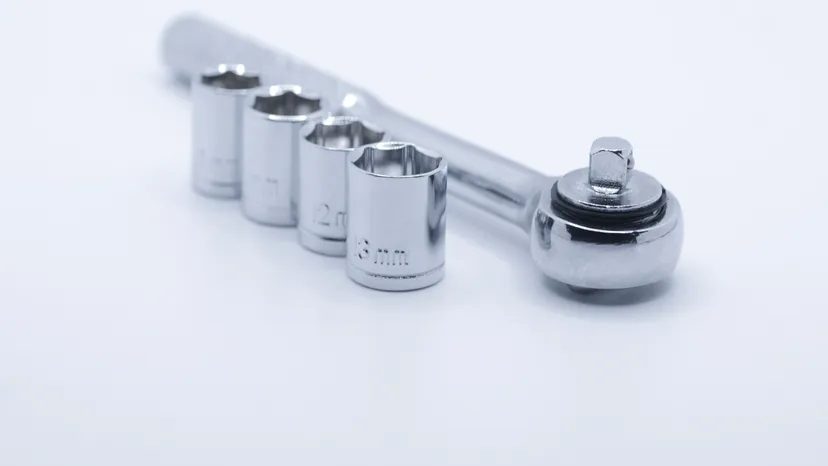
Most modern socket wrenches have a ratchet mechanism. This allows you to turn the bolt in one direction without removing the tool from the fastener. You can switch between tightening and loosening simply by turning the ratchet lever.
The complete socket set includes:
- Various sleeve sizes (SAE, metric or both)
- Extension bars (for use in deep or difficult places)
Universal joint (for angular use)
4.
ratchet handle
It is worth investing in a quality set.
Cheaper sockets often have thin walls and can crack under high torque or become rounded and slippery around the edges. Look for durable chrome vanadium steel.
Practical advice for homeowners
We don’t need all the dimensions of the universe. Start with the basic set.
For the DIY beginner, the combination set, which includes 8mm, 10mm, 12mm and 14mm metric sockets, as well as 3/8″ and 1/2″ SAE sockets, covers 90% of your jobs. Add a 1/4″ drive for smaller screws and a 3/8″ drive for general automotive work.
Keep your tools clean. Dirt and sand can enter the socket and prevent a secure fit. Wipe clean after use. You can store them in boxes or pegboard to keep them visible and organized.
Final thoughts
Understanding the difference between inches and millimeters can save you time, money and frustration. Prevents damage to bolts and tools.
The next time you encounter a stubborn nut, check the size first. Is it metric? Is it SAE? Is the bolt long enough to fit in the deep socket?
Answer these questions, choose the right tools and get started. All that’s left is to turning.