


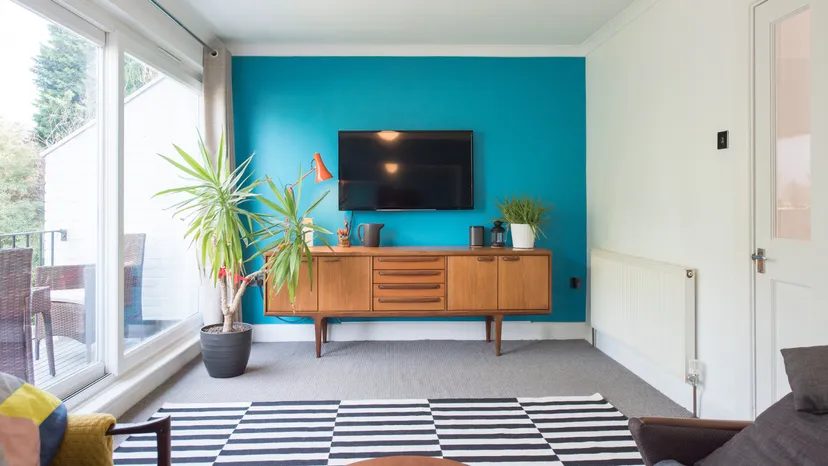
Skip the expensive overhaul. You don’t need new drywall, fresh carpeting, or a trip to the furniture store to make your house feel brand new. The trick is often simpler. Grab a paintbrush or fire up your sewing machine. Creativity with existing materials can do wonders for your space.
This guide focuses on low-cost, high-impact DIY home renovation ideas. We cover everything from painting decorative murals on walls to applying patterns directly to your floors. If fabric is more your style, we also have step-by-step instructions for making a custom bedspread, dust ruffle, tablecloth, and napkins. Let’s start with the basics of decorating a floor with paint.
Painting Patterns on Hardwood or Tile Floors
Painting your floor might sound radical. It shouldn’t be. It’s one of the most effective ways to add character without replacing expensive materials. Whether you have hardwood, laminate, or tile, you can create a custom look that reflects your personality.
Why Paint Your Floor?
Floor painting is a budget-friendly alternative to refinishing or replacing. It allows you to experiment with colors and patterns that might be too risky for permanent fixtures. You can change the look of a room in a weekend for a fraction of the cost of new flooring.
What You’ll Need
Before you start, gather your supplies. You’ll need:
- High-quality floor paint : Choose a durable, non-slip formula designed for high-traffic areas.
- Painter’s tape : For creating crisp lines and borders.
- Stencils or freehand tools : If you’re doing complex patterns, stencils help. For simpler designs, tape and brushes work fine.
- Sandpaper : To lightly scuff the surface for better paint adhesion.
- Primer : Essential for porous surfaces like concrete or bare wood.
- Clear sealant : Protects your design from wear and tear.
Step-by-Step: Creating a Floor Design
- Prep the Surface : Clean the floor thoroughly. Remove any wax, grease, or dirt. Lightly sand glossy surfaces to help the paint stick.
- Apply Primer : If your floor is porous, apply a coat of primer. Let it dry completely. This step prevents the paint from soaking in unevenly.
- Plan Your Design : Sketch your pattern on paper first. Use painter’s tape to mark out sections on the floor. This acts as your guide.
- Paint the Base Coat : Apply a solid base color if you’re adding a pattern on top. Let it dry.
- Add the Pattern : Use stencils and a roller or brush to apply your design. Work slowly. Mistakes are harder to fix once the paint is on.
- Seal the Floor : Once the paint is dry, apply a clear, non-slip sealant. This protects your hard work from foot traffic and cleaning.
Safety First
Floor paint can be slippery when wet. Always use a non-slip sealant. Ensure good ventilation while painting. Wear a mask if sanding or using strong-smelling paints.
Sewing Projects for Instant Cozy Vibes
If paint isn’t your thing, textiles offer


