We are obsessed with granite countertops. We calculate the square footage. We measure the light in the window. But what about the boxes that hold everything? Interior walls. They are the silent workhorses of the home, but we typically ignore them until something breaks or we buy a studio without privacy.
Walls don’t just separate rooms. They block the noise. They insulate temperature fluctuations. They prevent fire from spreading. When you choose between the two prevailing materials, plaster and drywall, you decide how your home breathes, sounds and burns.
Gypsum has been around since ancient times. Egyptian tombs, such as that of Queen Nefertari, have frescoed plaster walls. Roman houses were also decorated with pigments in wet plaster. Early plaster was a mixture of lime, sand, animal hair and water. Gypsum plaster entered the market later. It dried faster. The builders were excited. It sped up construction.
In the 1950s, plasterboard construction began to gain the upper hand. It was more durable and easier to find. Today, most of the interior walls of new apartments are covered with plasterboard. But the plaster has not disappeared. It just changed. Understanding the difference between plaster and drywall for interior walls is key to making the right decision for renovation.
Old school: Authentic Plaster
The most common interior plastering is plaster. It is not a sheet you hang. It’s a process. A chaotic, skill-intensive process.
First secure lath to the frame. Historically, these were wooden strips. Now you may see metal or drywall. The lath is the skeleton. The plaster is the muscle. It needs something to stick to.
The compound is usually delivered dry. You mix it with water. This is where skill matters. If you choose the wrong consistency, you will ruin the wall. Then apply the first layer. You scratch it. You let it dry. Next comes the brown coat. Finally, the last coat. Three layers. Weeks of drying time.
This thickness creates advantages. A plaster wall is thicker than plasterboard. It works as a better air barrier. It blocks sound between rooms. If the lath and framing are made correctly, the wall is stable. It does not bend or break easily. Plaster is sticky when applied. It conforms to curved or irregular surfaces better than rigid panels. The plaster inside keeps water and protects against fire.
But homeowners are moving away from it. Why? It costs more. It takes longer. Labor intensive means expensive bills. Time-consuming means delayed move-in dates. And while it is long-lived, buildings settle. Improper installation will cause cracks. Some cracks can be repaired with a setting-type compound. Others require structural work.
You have to ask yourself: Are the aesthetics worth the effort?
Modern Shortcut: veneer plaster
Authentic three-coat plaster is rare in new buildings today. But there is veneer plaster. It provides the appearance. Some of the benefits will remain. It takes less time.
Veneer plastering starts with a blue board base. These are plasterboard panels with special moisture and adhesion properties. It’s not ordinary drywall. Then apply one or two layers of plaster. You use the same technique as regular plastering, but the base is already in place.
It’s faster. It is cheaper than full plaster. But is it as good? It depends on your definition of “good”.
Standard: Plasterboard
Drywall is a basic solution for a good reason. It’s fast. It’s cheap. It’s everywhere. But it has flaws.
Drywall panels are sheets of gypsum sandwiched between paper. You hang them. You tape the seams. You mud the joints. You sand them smooth. It’s a system. A reliable system.
Disadvantage? It’s thin. It offers less sound insulation than plaster. It dents easily. If water gets in, the paper will rot. Gypsum core crumbles. Gypsum board has no other natural fire resistance than the gypsum itself.
Which one is better for your project? The answer depends on your budget, schedule, and tolerance for imperfections. In the next section, we delve into the installation, repair and long-term costs of both materials.

Anatomy of plasterboard
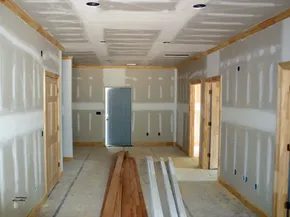
That white board leaning against the wall is not just cardboard with dust in the middle. It is calcined gypsum. Mix this powder with water and a few chemical additives and you get a thick, viscous paste. Manufacturers squeeze this pulp between two thick layers of paper and dry it. The other side gets a smooth, strong finish. One side remains rough for better adhesion. You won’t see the chemistry, but you can feel the difference when you sand it later.
Why homeowners choose drywall
Plastering is an art form. Drywall is an industrial process. The difference? Speed. Work. Cost.
When hanging basic gypsum drywall, cut the boards to fit the raw frame of your home. You screw them in. Quickly. Then add corner beads so your corners from looking like accordion folds. This is the structural part. Next comes the finish work.
They tape the joints. Paper or fiberglass – it doesn’t matter if you know what you’re doing. Then apply three layers of joint compound. Sand between each coat. It’s repetitive. It’s dusty. But when the last layer dries, you have a surface that is ready for painting.
It takes days for the plaster to cure. Drywall takes hours. That’s why it’s standard in modern homes.
Hidden flaws in the walls
It’s not perfect. Nothing made of paper and plaster is invincible.
Nail pops are the most common complaint. The metal fastener works its way out and forms a small bulge on the surface. Typically, house settlement or temperature fluctuations cause the wood frame to expand and contract. It can be fixed, but it’s annoying.
Water is the real enemy. Standard drywall loves moisture. If you let it soak for too long, it will turn to mush. The mold follows. That is why special panels with additives can be found in bathrooms or basements. They withstand water better. But even they are not waterproof.
Some manufacturers now produce paperless drywall to limit mold growth. No paper means less food for mold spores. It’s a small change in the production line, but it’s important for long-term health.
Drywall vs. plaster: a practical choice
Why is there still argue about plaster? It’s harder. It’s more expensive. It requires skill. But it doesn’t crack the way drywall does.
Drywall is softer. It dents. It will crack if the framing shifts too much. However, it is fire-resistant due to the water trapped in the gypsum crystals. It also dampens noise better than thin plaster.
When choosing your home, think about how you live. Do you want the vintage charm of plaster? Or clean, flat lines of drywall? Both shape the flow of your home. Both define how the light hits the space.
Frequently asked questions about plasterboard
What is the difference between plasterboard and plaster?
Gypsum is used in plasterboard, which is softer and does not crack under minor stress. It is nailed to studs. Plaster dries much harder. It is labor intensive. It costs more. It is also heavier.
What is plasterboard made of?
Calcium sulfate (gypsum). Additives such as clay and mica. Cellulose fibers or paper for cladding. It is a composite material designed for speed and uniformity.
Is Wall paneling cheaper than plasterboard?
Normally no. The prices of paneling vary greatly. Some vinyl panels are cheap. Some wood veneers are expensive. But in general, drywall is the most cost-effective way to cover a large area. Before you decide, consider what type of paneling you want.
What is Level 5 Drywall?
It is the highest finish standard. The board is installed. Taped. Coated twice. Lightly sanded. Then a skim coat of joint compound is applied over the entire surface. The result is a flawless, even sheet. You need this for glossy paints or dark colors. Any imperfection will show through.
The Bottom Line
You can’t see the plaster. You can’t see the paper. But you will see the result. It’s smooth. It’s flat. It is ready for your color choice.
The trade-off is between simplicity and character. Drywall is simple. It is efficient. It works. But it is also fragile. Treat it right during installation and it will last for decades. If you mess it up, you’ll be fixing nail pops for years.
Choose carefully. The walls you build today are the walls you live with tomorrow.