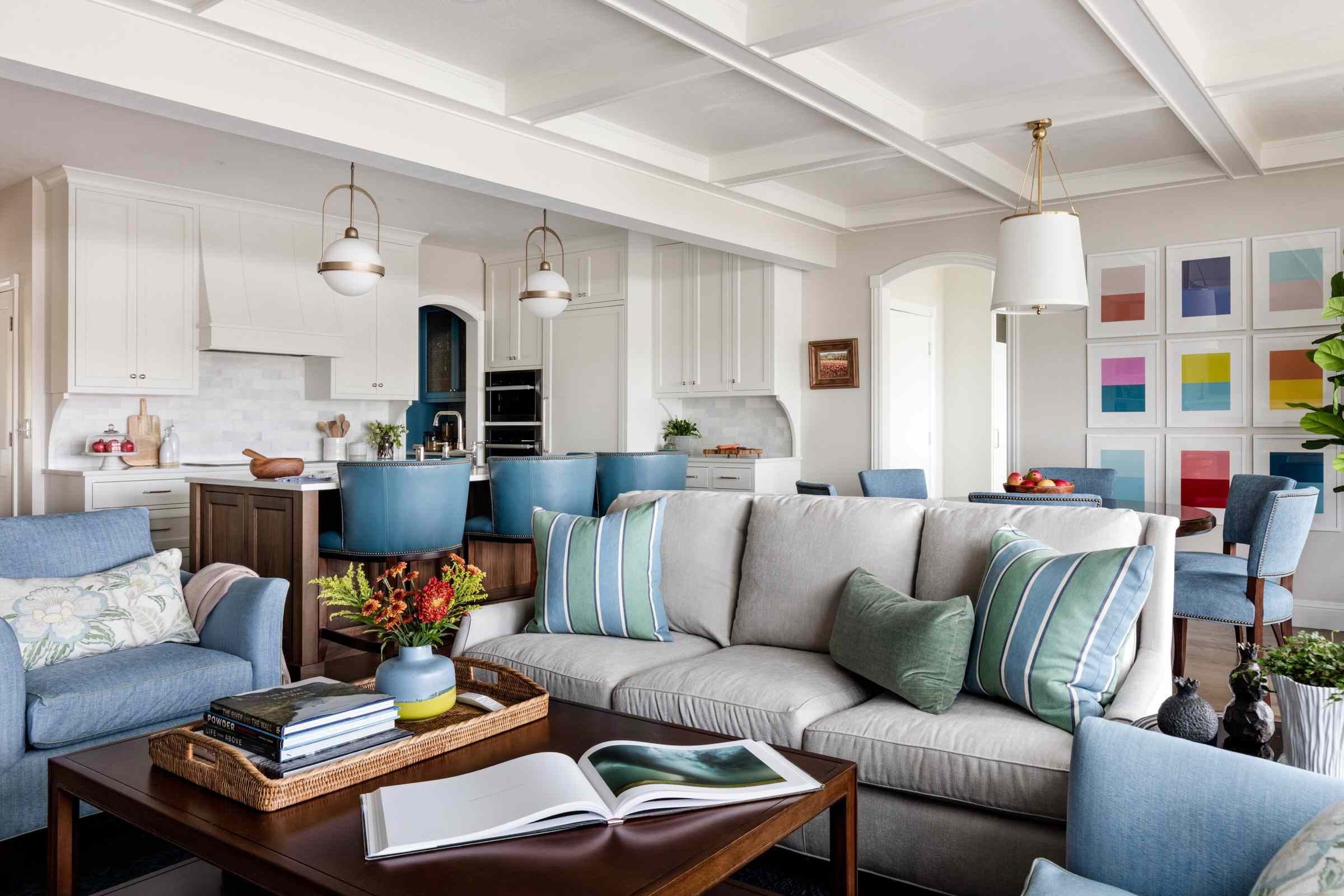
A welcoming living room isn’t about expensive furniture or following fleeting trends; it’s about how the space feels to those who enter. Many people struggle with awkward or uninviting living areas, and often, the issue is the layout itself. Fortunately, simple adjustments to furniture placement can dramatically improve a room’s atmosphere.
This article outlines eight interior design principles that experts recommend for creating a more inviting living room without requiring extensive renovations or costly upgrades. These arrangements prioritize connection and comfort over rigid formality.
The Problem with TV-Centric Design
Most living rooms are designed around the television as the focal point, which is understandable but doesn’t immediately convey warmth. As Sarah Hart, owner of Sarah Hart Interior Design, explains, a truly welcoming layout encourages conversation and interaction rather than passive viewing.
“It’s fine to have a TV, but don’t let it dominate the room. Arrange furniture to facilitate connection, not just screen time.”
This is a critical shift in thinking: the living room should be a gathering space first, and an entertainment area second.
Establishing a Natural Focal Point
While designers may discourage a TV as the primary focal point, they agree that every living room needs one. This could be a fireplace, a large window with a view, or a striking piece of art. Lorri Hicks Cazenave, founder of Hicks Cazenave Interior Design, emphasizes that a clear focal point naturally directs conversation and reduces awkwardness.
Furniture arranged around this central element makes the room feel intuitive and welcoming. Guests won’t have to mentally rearrange the space to feel comfortable; the layout already guides interaction.
Prioritizing Flow Over Space Optimization
Many people arrange furniture to maximize space, especially in smaller living rooms. However, a welcoming layout prioritizes flow and natural movement over strict dimensions.
Cazenave suggests avoiding furniture that hugs the walls, instead opting for arrangements that create seamless pathways and encourage people to gather. An effortless flow makes the room feel more gracious and inviting.
The Power of Conversational Seating
One of Cazenave’s favorite layouts uses two lounge chairs facing a sofa. This arrangement fosters conversation while maintaining visual balance. The configuration draws people together without feeling cramped or forced.
Layered Textures and Warm Materials
Beyond furniture placement, decor plays a vital role. Cazenave recommends layering textiles, mixing materials (linen with leather, ceramic with wood), and using lighting at various heights to create visual warmth.
“A welcoming room has softness and contrast: a rug that extends under all seating, warm lamplight, textured cushions, vintage accents, and even natural elements like plants or fruit.”
These tactile details signal comfort and invite relaxation.
Floating Sofas for Versatility
If lounge chairs aren’t ideal, two sofas placed facing each other (a “floating” arrangement) can achieve a similar effect. This setup offers ample seating and allows for customization in terms of color and length.
The Unexpected Comfort of Stools
Not all furniture needs to be plush. Incorporating stools and small perches adds flexibility and encourages casual gatherings. This also provides an easy way to mix materials and finishes, tying the aesthetic together.
Curved Sectionals for Natural Interaction
Sectionals are excellent for accommodating multiple guests, but a curved design is preferable to a square one. The gentle curve shapes the conversation zone, making interactions feel more natural and less awkward.
In conclusion, creating a welcoming living room isn’t about expensive upgrades, but rather about thoughtful arrangement. By prioritizing connection, flow, and tactile comfort, anyone can transform their space into an inviting gathering place. The key is to design for how people feel, not just how the room looks.