The winter season brings with it a drop in temperatures, but also a significant shift in indoor air quality. Heating systems, while keeping us warm, often strip moisture from the air, leading to dryness that impacts both our bodies and the structure of our homes. Maintaining the right humidity level isn’t just about comfort; it’s about preserving health and preventing costly damage.
Why Humidity Matters in Winter
Dry winter air can cause a range of issues, from irritated sinuses and cracked skin to warping wood floors and furniture. Wood contracts in low humidity, leading to gaps, creaks, and even structural cracks over time. Conversely, excessive humidity breeds mold and condensation, which can cause hidden damage and health problems.
HVAC professionals agree: the key lies in finding a balance. But what is that balance?
The Sweet Spot: 30% to 40% Humidity
According to Ryan Osterkamp, owner of Quality Comfort Home Services, the ideal indoor humidity level during winter is between 30% and 40%. This range strikes a balance between preventing dryness and avoiding condensation.
- Maintaining this level protects your skin and sinuses from excessive drying.
- It prevents furniture and structural elements from warping due to wood contraction.
- It reduces static electricity, a common winter annoyance.
Dan Cronen, an HVAC expert at SupplyHouse.com, notes that while humidity levels can safely reach 50%, it’s crucial to monitor for condensation. Condensation on windows or walls is a sign that the humidity is too high, especially in poorly insulated homes.
How to Achieve and Maintain Optimal Humidity
The biggest challenge is that forced-air heating systems inherently dry out the air. Here’s how to fight back:
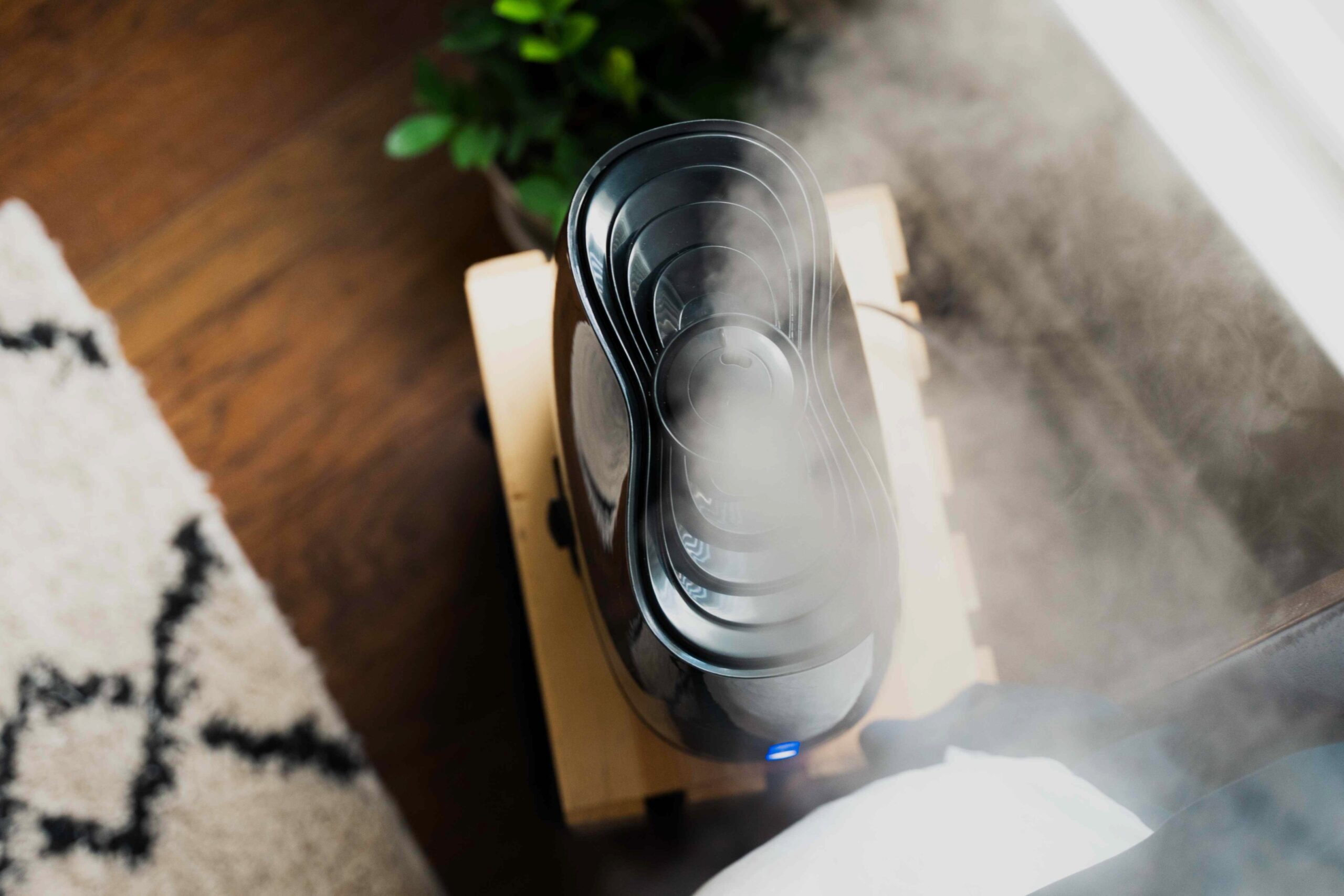
- Whole-Home Humidifier: The most efficient solution involves installing a humidifier directly into your HVAC ductwork. This provides even distribution throughout the house.
- Localized Humidifiers: If ductwork modifications aren’t feasible, strategically placed humidifiers can help.
- Seal Air Leaks: Drafts contribute to humidity loss. Identifying and sealing cracks around windows, doors, and outlets will improve humidity control and save energy.
- Thermostat Setting: Switching your thermostat’s fan setting from “AUTO” to “ON” can circulate air more evenly and help lower humidity if it’s too high.
Consequences of Imbalance
Failing to maintain proper humidity levels has clear consequences:
- Too Dry: Dry air pulls moisture from your body, leading to dry skin, chapped lips, and worsening of conditions like eczema or asthma.
- Too Damp: High humidity promotes condensation, hidden mold growth, and a perception of colder temperatures. Excess moisture can also increase energy bills as you crank up the heat to compensate.
Ultimately, managing indoor humidity during winter is a proactive measure that safeguards your health, preserves your home’s integrity, and optimizes energy efficiency. Ignoring this balance comes at a cost – both in comfort and long-term maintenance.