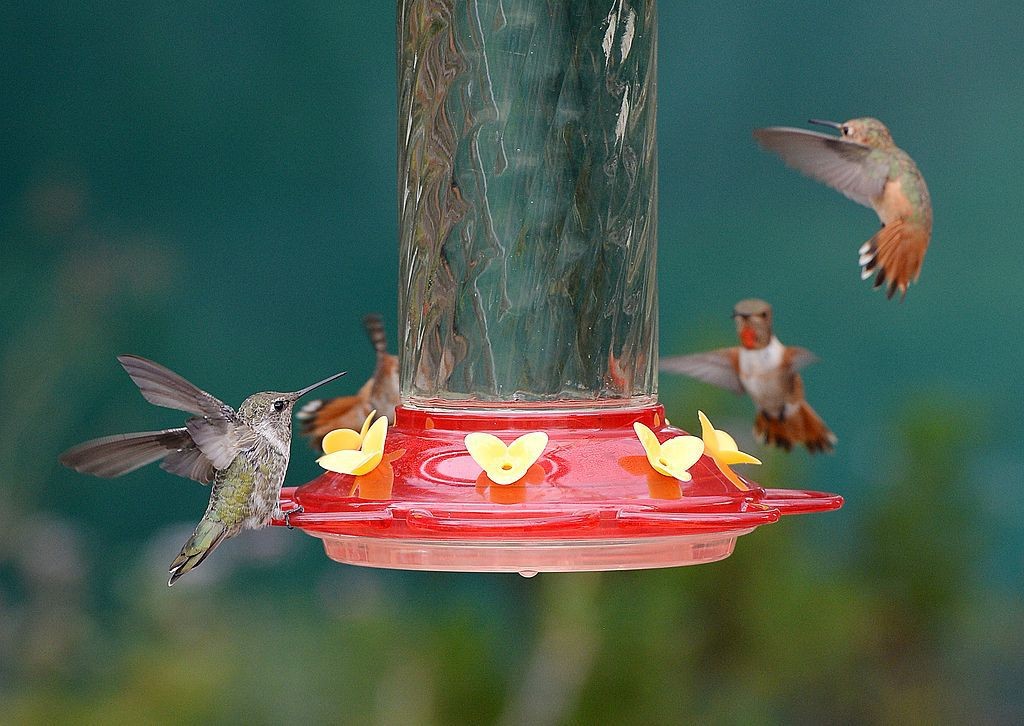
Hummingbird feeders offer a delightful way to attract these fast-flying birds to your garden. However, the sweet nectar that fuels hummingbirds also attracts unwanted guests: ants. These persistent insects can quickly infest feeders, driving away the birds and creating a sticky mess. The problem arises because hummingbird food, typically a sugar-water mix, is highly appealing to ants. They locate the source via scent trails, then communicate this location to their colony, ensuring a steady stream of invaders. Fortunately, several effective (and safe) methods exist to keep ants at bay.
Maintaining a Clean Feeding Station
The most basic step is rigorous cleanliness. Any sugar residue on the feeder’s surface acts as a beacon for ants and other pests. Regularly disassemble and wash the feeder with mild soap and water, or a diluted vinegar solution to eliminate bacteria along with sticky residue. Ensure the feeder is completely dry before refilling it; dampness attracts insects. Hummingbirds access nectar via their long beaks, meaning only the spout needs to be accessible—everything else should be spotless.
Strategic Relocation
Ants rely heavily on scent trails to locate food sources. Periodically moving your hummingbird feeder disrupts these trails, making it harder for ants to find and exploit the sweet nectar. Relocate the feeder every few weeks, and if you use multiple feeders, rotate them throughout your garden. This tactic forces ants to constantly search, reducing their success rate.
Utilizing Invisible Barriers
A simple yet effective method involves suspending the feeder using fishing line. Ants cannot climb smooth, non-textured surfaces like fishing line. Choose a strong line capable of supporting the feeder’s weight and tie brightly colored ribbons to the line to prevent accidental collisions with people or pets.
The Power of Water Moats
Ant moats—small basins filled with water—create a physical barrier that ants cannot cross. Hang the moat directly above the feeder, ensuring the ants encounter water before reaching the nectar. Moats require frequent refilling and cleaning to maintain effectiveness ; stagnant water becomes just another attractant.
Harnessing Natural Repellents
Mint, particularly spearmint or peppermint, repels ants with its strong scent. Rub fresh mint leaves directly onto the feeder or tuck them into crevices. Alternatively, grow mint in a container nearby (be mindful that mint can be invasive) or use a diluted peppermint essential oil spray on the ground around the feeder’s base.
Ensuring Feeder Integrity
Cracks and leaks provide easy access for ants. Inspect your feeder regularly for damage, especially after storms. Glass feeders are prone to cracking under extreme heat, so partial shade can prolong their lifespan. Any breach in the feeder’s structure must be repaired or replaced to prevent leaks.
Leveraging Natural Obstacles
Hanging the feeder over a body of water (a small pond, birdbath, or even a bucket) can deter ants, as they are unlikely to traverse a large water surface. This method works best if there is no vegetation or debris bridging the gap between the feeder and the water.
In conclusion, keeping ants out of hummingbird feeders requires a combination of cleanliness, barrier methods, and natural repellents. By implementing these strategies, you can ensure that your feathered visitors enjoy their sweet treat undisturbed, creating a vibrant and pest-free feeding station in your garden.