Europe’s economic landscape is defined by striking disparities in wealth concentration. While some nations boast massive economies, others punch far above their weight when measured by GDP per capita, a key indicator of national prosperity. This metric, often adjusted for purchasing power parity (PPP), reveals which countries generate the most wealth relative to their population size. Several small European states lead the way, leveraging specialized industries and strategic financial policies.
Liechtenstein: The Richest Nation Per Capita
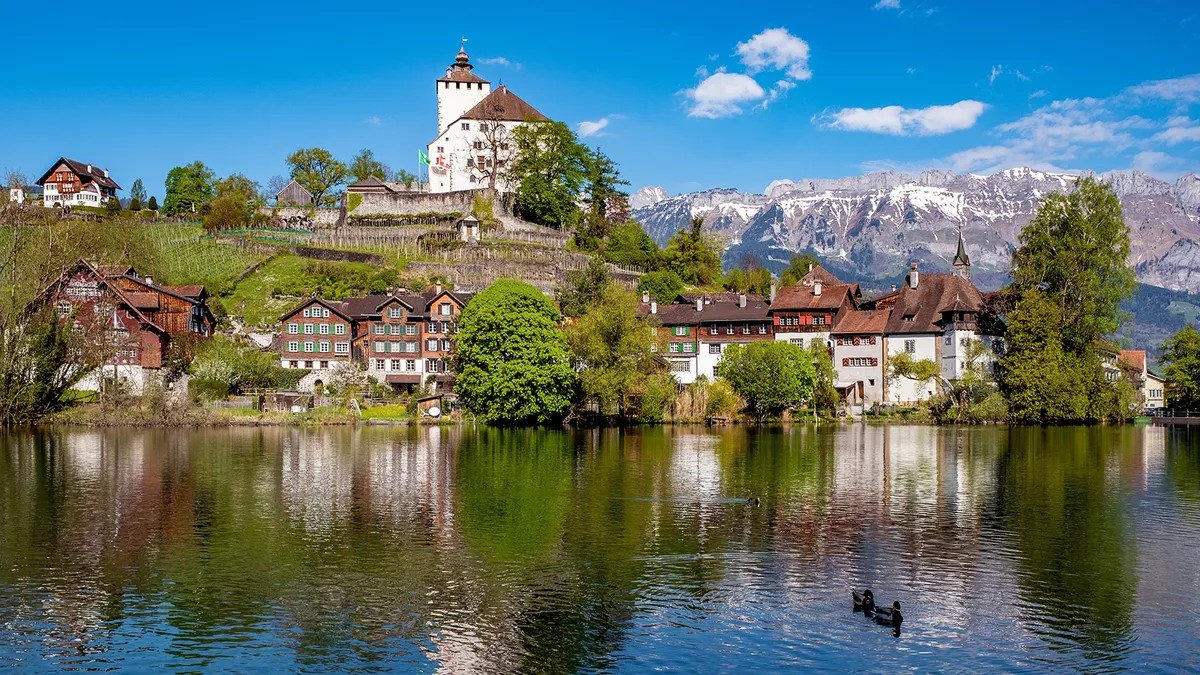
Liechtenstein, a tiny Alpine country, currently ranks as Europe’s wealthiest nation with an estimated GDP per capita of around $201,110 (PPP) as of 2025. Despite its small population, Liechtenstein’s economy thrives on a highly developed financial sector and advanced manufacturing. The country’s success hinges on high-value services, attracting global capital and maintaining a competitive edge in international markets.
Luxembourg: A Financial Powerhouse
Luxembourg consistently ranks among Europe’s richest countries, with a GDP per capita of approximately $152,395 (PPP). It functions as the world’s second-largest investment fund domicile, boasting a AAA sovereign credit rating and manageable public debt levels. This stability attracts international investors and multinational corporations, solidifying Luxembourg’s position as a financial hub.
Ireland: Tech and Tax Advantages
Ireland ‘s GDP per capita is around $147,878 (PPP), fueled by the presence of numerous multinational headquarters, particularly in the tech and pharmaceutical sectors. Historically, Ireland’s low corporate tax rates (around 12.5%) have drawn foreign investment. However, this concentration of multinational activity can distort standard economic measurements, leading Ireland to also track a modified Gross National Income (GNI) alongside GDP.
Norway: Oil Wealth and Sovereign Funds
Norway maintains its status as one of Europe’s wealthiest nations with a GDP per capita near $107,000 (PPP). The country’s wealth largely stems from its substantial petroleum and natural gas exports in the North Sea. To manage this resource-based income, the Norwegian government has established the Government Pension Fund Global, a sovereign wealth fund exceeding $2 trillion in value. This fund stabilizes the economy by buffering against fluctuations in commodity prices.
The concentration of wealth in these smaller European nations highlights how specialization, financial engineering, and strategic resource management can drive economic prosperity. It also underscores the limitations of GDP as a sole indicator of national well-being, as distortions from multinational activity or resource dependence can skew results.