Many shoppers fall for trendy furniture only to realize it doesn’t work in their home. Poorly planned purchases can be costly and difficult to fix, so it’s crucial to be discerning when buying homeware. Designers and organizers reveal which items clients most often regret—and how to avoid making the same mistakes.
The Allure and Downfall of “Cloud” Sofas
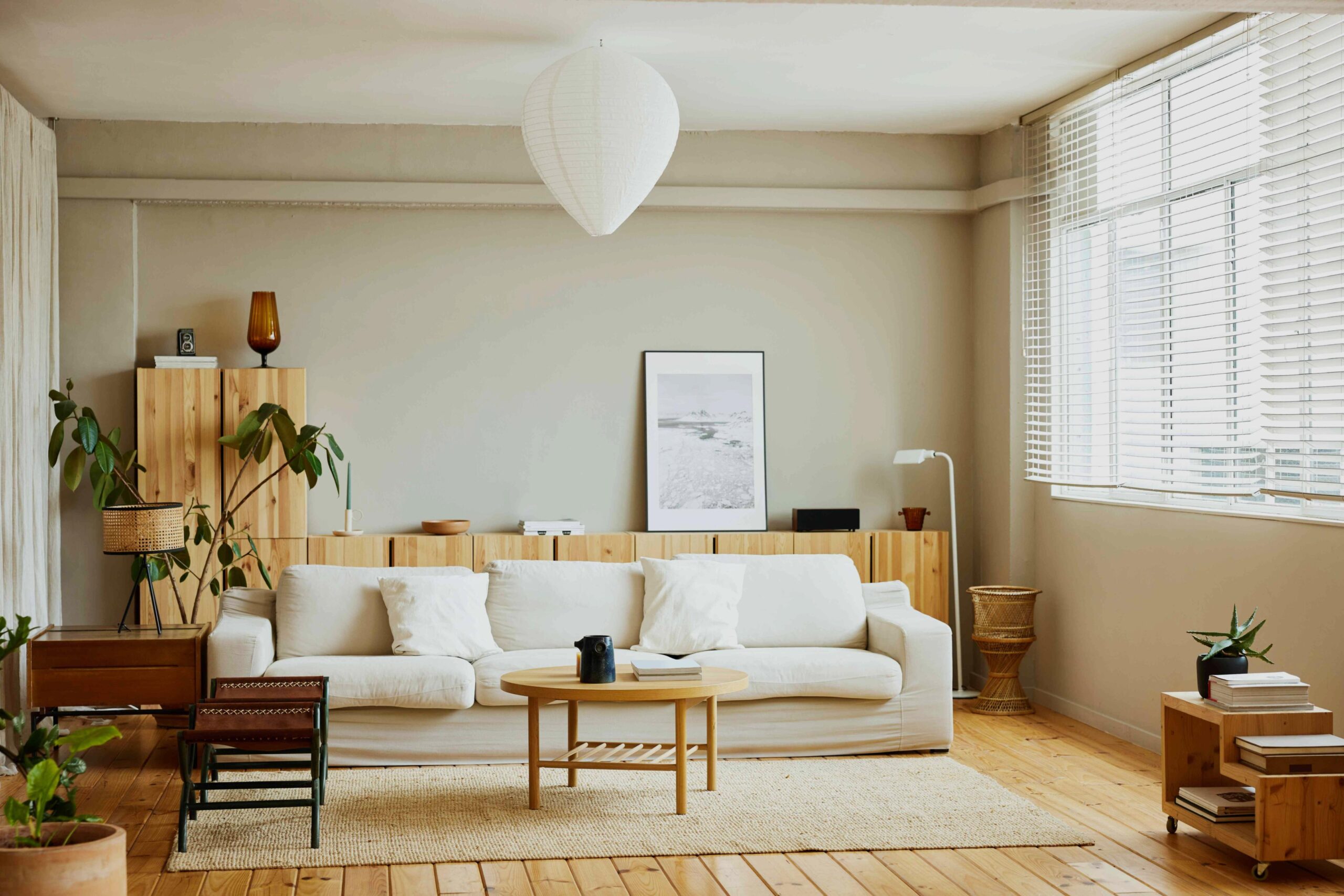
“Cloud sofas” – characterized by their deep, fluffy cushions – are popular online, but often disappoint in reality. Clients assume a high price tag guarantees quality, but many discover the cushions flatten or crease within a year.
Interior designer DeNeatra Love-Jeffers recommends reading furniture labels like clothing tags. Look for kiln-dried hardwood frames, durable “performance” fabrics, and overall weight. Lightweight cushions usually mean low-density foam that compresses quickly. Durability matters more than aesthetics.
Open Storage That Doesn’t Function
Open storage (bookcases, pantry shelves) can look stylish, but some pieces are purely decorative and impractical. Trendy ladders, purely aesthetic shelving, or statement pieces chosen for looks over use often become clutter magnets rather than functional additions.
Professional organizer Lauren Saltman emphasizes that if storage doesn’t support daily life, it will quickly feel dated or useless. Prioritize practicality over fleeting trends.
King-Size Beds: A Space Miscalculation
King-size beds can seem like an upgrade, but many underestimate the space needed around them. Even if a room technically fits the bed, adding nightstands and seating at the foot of the bed can make the space cramped.
One designer visited a client whose owner’s suite felt “off” only to find that there wasn’t enough walkway space around the bed. The solution? Downsizing to a queen bed which was a better fit. Don’t overestimate how much space you have.
Accent Chairs: Style Over Comfort
Like cloud sofas, accent chairs are often chosen for looks rather than usability. Clients find beautiful, well-priced chairs online only to discover they are unbearably uncomfortable when they arrive. If a piece will be used regularly, comfort should be the priority.
Oversized Furniture: A Common Mistake
One of the biggest decorating errors is buying furniture that is too large. Oversized sofas, sectionals, bed frames, and bulky dressers can crowd rooms, block walkways, and make spaces feel smaller.
To avoid this, Saltman advises measuring the entire room first, then mapping out the furniture’s footprint. Using painter’s tape on the floor can help visualize how the room will function with the new furniture. Accurate measurements are essential.
Bathroom Storage: Less is More
Bathrooms need storage, but bulky over-the-toilet shelving units, freestanding cabinets, and oversized hampers can overwhelm the space. Saltman recommends decluttering first and storing less-used items (medications, extra bedding) in accessible closets elsewhere. Overloading storage makes small spaces feel even smaller.
In conclusion, smart home decor starts with careful planning and realistic expectations. Designers advise prioritizing quality, functionality, and accurate measurements over trendy aesthetics. Avoiding these common mistakes can save money, space, and frustration in the long run.