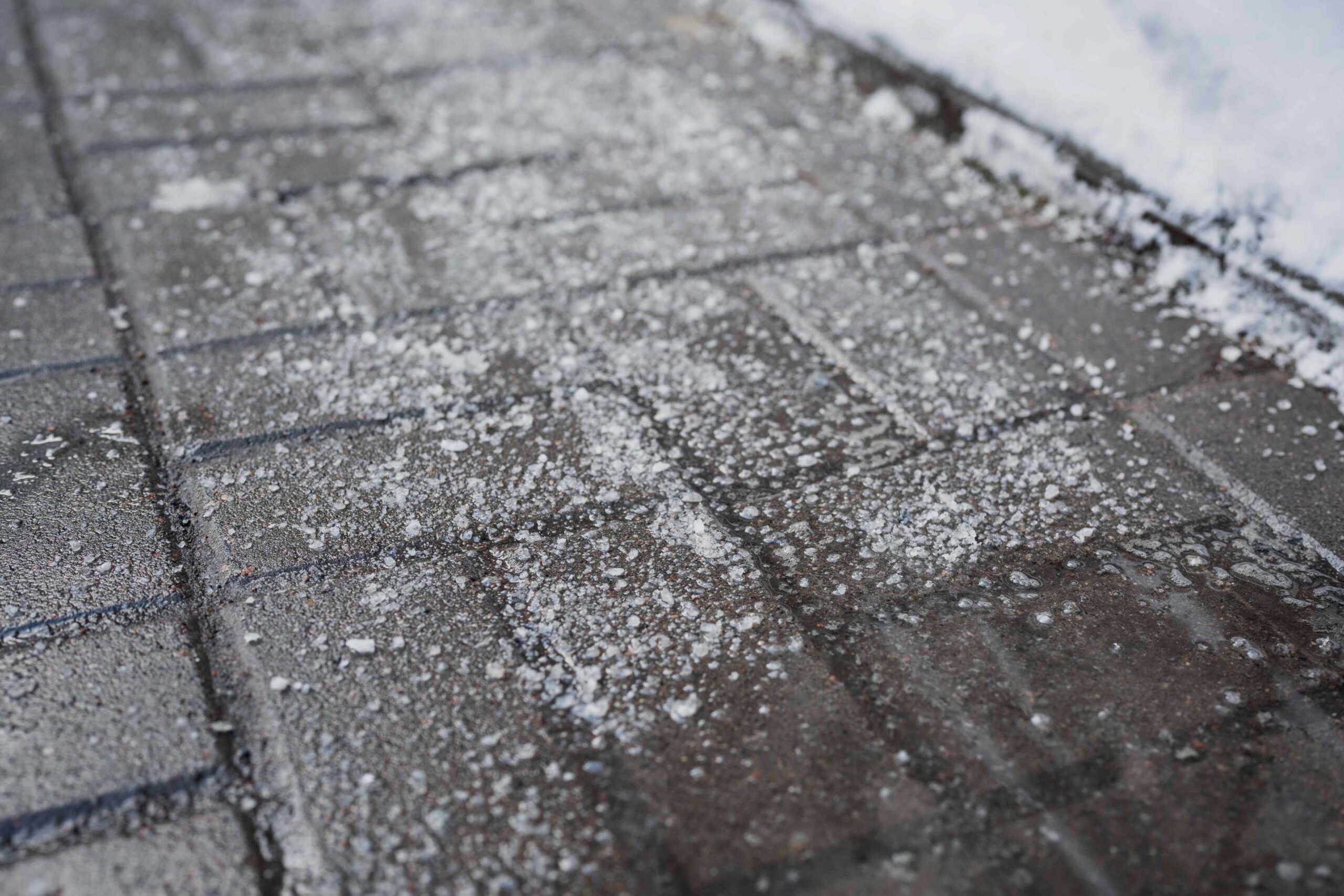
De-icing salt, commonly known as “road salt,” is a standard winter treatment for icy surfaces, but its overuse presents a range of problems beyond simply costing more money. While the instinct is to apply liberally, experts warn that excessive salt use can damage infrastructure, corrode vehicles, and harm the environment.
Visible Signs of Overuse: Salty Residue
One clear indicator of applying too much salt is the visible residue left behind after the ice melts. The powdery salt remaining on surfaces suggests that less could have been used effectively. According to Chrissie Handley, a de-icing solutions expert at Online Rock Salt, moderation is key. It’s easy to assume more salt equals better results, but this isn’t always the case.
Corrosion and Metal Degradation
De-icing salt is notoriously damaging to metal. Cars, infrastructure, and any exposed metal components are vulnerable to rust and corrosion from prolonged exposure. As Andrew Bates, COO of Bates Electric, points out, salt buildup can cause short circuits and significantly shorten the lifespan of expensive equipment. This isn’t just about aesthetics; it’s a financial issue. Replacing corroded parts prematurely adds up over time.
Concrete Damage: From Cracks to Internal Decay
The damage extends beyond metal. De-icing salt accelerates freeze-thaw cycles, which cause concrete and asphalt to crack. Handley warns that frequent salt use exacerbates this problem.
The issue isn’t just surface-level; brine penetrates concrete, refreezes, and causes expansion, leading to micro-fractures. In severe cases, even the rebar inside the concrete can rust. Fresh concrete is especially susceptible to this type of damage because it hasn’t had time to cure and harden fully. The salt reacts chemically with calcium hydroxide in the concrete, expanding and creating hidden weaknesses.
Environmental Impact: Where Does All That Salt Go?
The environmental consequences are often overlooked. Excess de-icing salt doesn’t disappear—it washes into waterways, impacting ecosystems. While rainfall eventually removes the salt, its destination is unpredictable, and high concentrations in certain areas can pose a serious threat to the environment.
The long-term effects of widespread salt usage aren’t fully understood, but it’s clear that a more measured approach is necessary.
In conclusion, using de-icing salt sparingly isn’t just about saving money; it’s about protecting infrastructure, prolonging the life of vehicles, and minimizing environmental harm. The hidden costs of overuse far outweigh the perceived benefits of over-application.