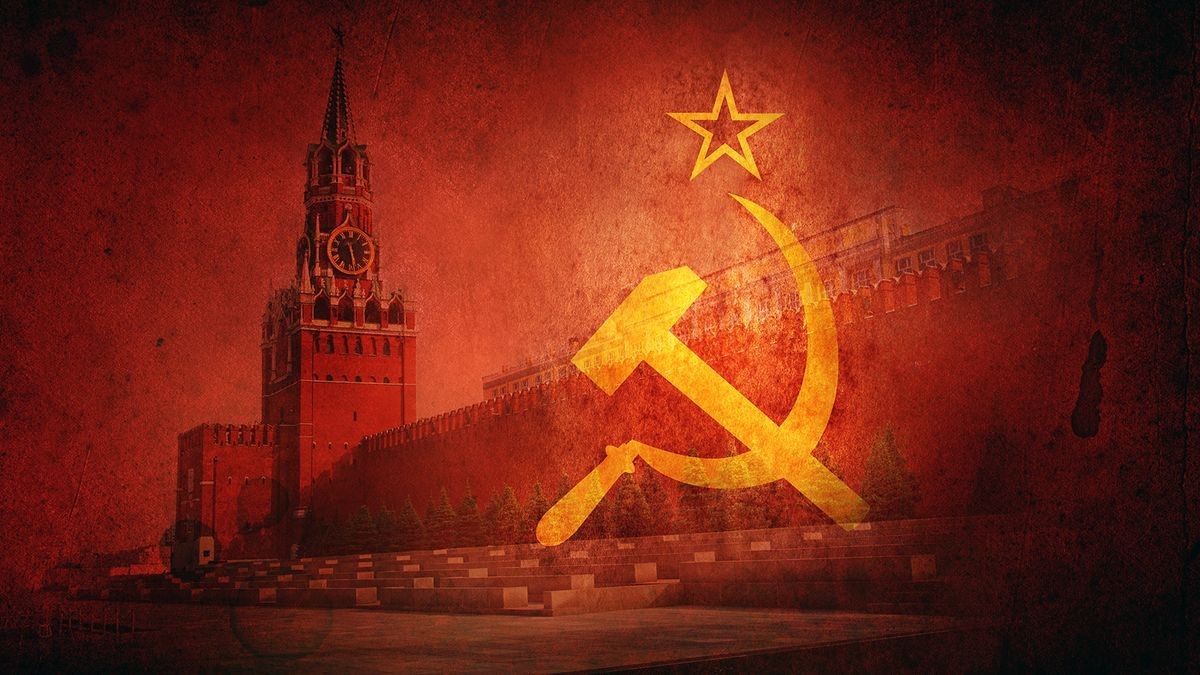
The dissolution of the Soviet Union in 1991 wasn’t a sudden implosion, but the culmination of decades of systemic failures. While often framed as a geopolitical event, the USSR’s collapse stemmed from deep-seated economic stagnation, unsustainable military spending, and the slow erosion of its political foundations.
The Rise of a Centralized State
The Soviet Union emerged from the chaos of the Russian Revolution and Civil War in 1922. Under the Bolsheviks, it consolidated power through a highly centralized system. Fifteen republics were unified under the Union of Soviet Socialist Republics (USSR), with the Communist Party holding absolute control over all aspects of life – from politics and economics to culture and social behavior. This rigid structure eliminated opposition and suppressed dissent, but it also stifled innovation and adaptability.
The Crushing Weight of Superpower Status
For decades, the Soviet Union pursued superpower status through massive industrialization and military buildup. This ambition came at a tremendous cost. World War II decimated the Soviet population, with some regions losing over a quarter of their inhabitants. The subsequent Cold War intensified these pressures, forcing the USSR into a relentless arms race with the West.
The pursuit of military parity diverted crucial resources from civilian production. Centralized economic planning, designed to match American industrial output, proved increasingly inefficient. Shortages of consumer goods, declining living standards, and technological backwardness eroded public support for the regime. The system simply couldn’t keep pace with the demands of a modern economy or the expectations of its citizens.
Political and National Cracks
The rigid political structure, while maintaining control for years, created deep-seated resentment. By the late 1980s, cracks began to appear as national identities within the republics grew stronger. The Soviet system had suppressed ethnic and cultural differences, but these tensions resurfaced as economic hardship and political stagnation weakened central authority.
The rise of reformist leaders like Mikhail Gorbachev in the mid-1980s accelerated the decline. While intended to revitalize the USSR, policies like glasnost (openness) and perestroika (restructuring) unintentionally unleashed long-suppressed political and national aspirations.
The Final Unraveling
The combination of economic collapse, political liberalization, and rising nationalism proved fatal. In 1991, the Soviet Union dissolved into fifteen independent states. This wasn’t a violent revolution, but a slow-motion disintegration driven by internal contradictions.
The USSR’s fall serves as a stark reminder that even the most powerful empires can crumble under the weight of their own internal failures. Economic stagnation and political inflexibility ultimately proved more devastating than any external threat.
The collapse of the Soviet Union reshaped the global landscape, ending decades of Cold War rivalry and ushering in a new era of geopolitical uncertainty. The lessons of its demise – the dangers of centralized control, unsustainable military spending, and the importance of economic adaptability – remain relevant today.