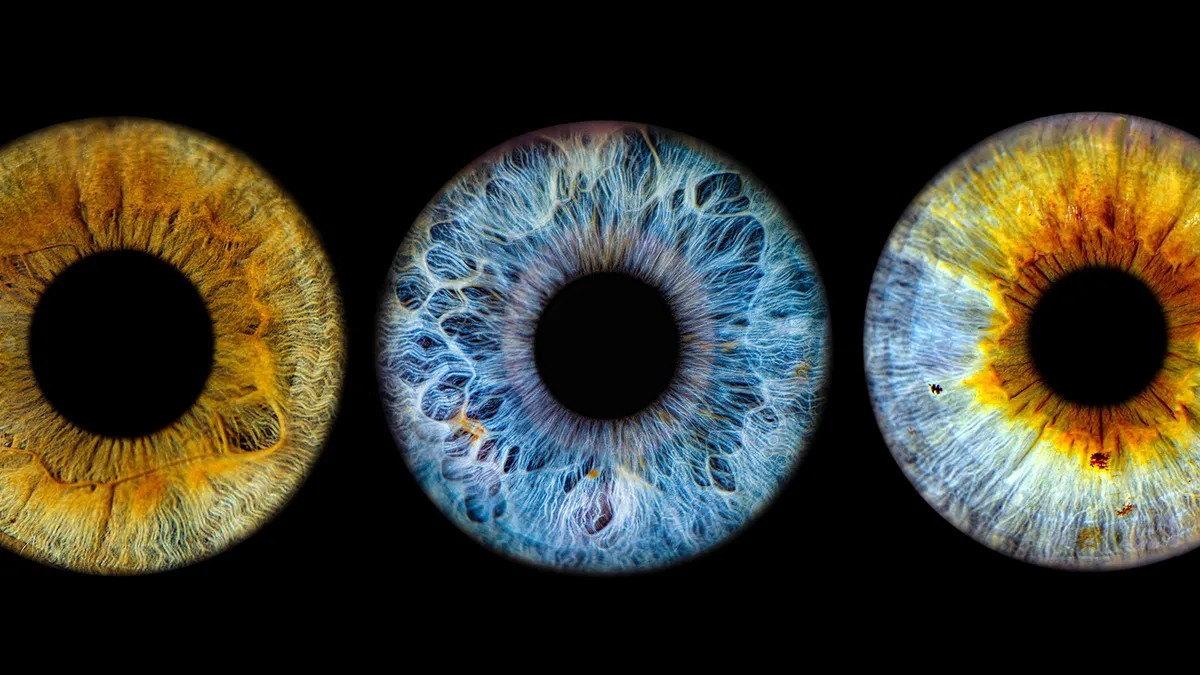
Human eye color is a fascinating trait shaped by genetics, ancestry, and evolutionary history. The amount of melanin in the iris determines its shade, ranging from the deepest browns to the palest blues. Understanding this distribution provides insights into human migration patterns and genetic adaptations.
Global Prevalence of Eye Colors
Brown eyes are by far the most common globally, accounting for 70–80% of the population. This prevalence stems from higher melanin concentrations, offering potential protection against ultraviolet radiation, particularly in regions with intense sunlight. Brown eyes dominate in Asia, Africa, and the Middle East.
Blue eyes, found in approximately 8–10% of people worldwide, emerge from low melanin levels. The blue hue isn’t due to pigment but rather the scattering of light within the iris, similar to how the sky appears blue. Notably, genetic research suggests a single common ancestor around 6,000–10,000 years ago carried a mutation in the HERC2 gene, spreading blue eyes throughout Europe.
Hazel eyes (about 5% of the population) display a mix of green, gold, and brown tones due to moderate melanin levels and light scattering. Their color can appear to shift depending on lighting conditions.
Green eyes, the rarest common color, affect only around 2% of the global population. They contain slightly more melanin than blue eyes but significantly less than brown, creating a distinctive yellowish-green shade. Green and hazel eyes are most prevalent among people with European ancestry.
Rarer Shades and Genetic Complexity
Amber eyes, characterized by a solid gold or copper tone, are uncommon. They result from higher levels of pheomelanin, a pigment distinct from the melanin that determines brown or blue shades.
Red or violet eyes are exceptionally rare, typically linked to albinism or genetic conditions that severely reduce melanin production. In these cases, the iris’s lack of pigment reveals underlying blood vessels, giving it a reddish or violet cast.
The Genetics of Eye Color
Eye color is a polygenic trait influenced by at least 16 genes, including OCA2 and HERC2. These genes regulate melanin production and distribution in the iris. Earlier assumptions that two blue-eyed parents could only produce blue-eyed children have been disproven; inheritance is far more complex. The interplay of multiple genes means that even parents with the same eye color can have children with different shades.
Understanding eye color genetics reveals not just the mechanics of inheritance but also the historical movements and genetic adaptations of human populations.
The study of eye color continues to evolve, shedding light on the intricate connections between genetics, ancestry, and the diversity of human traits.