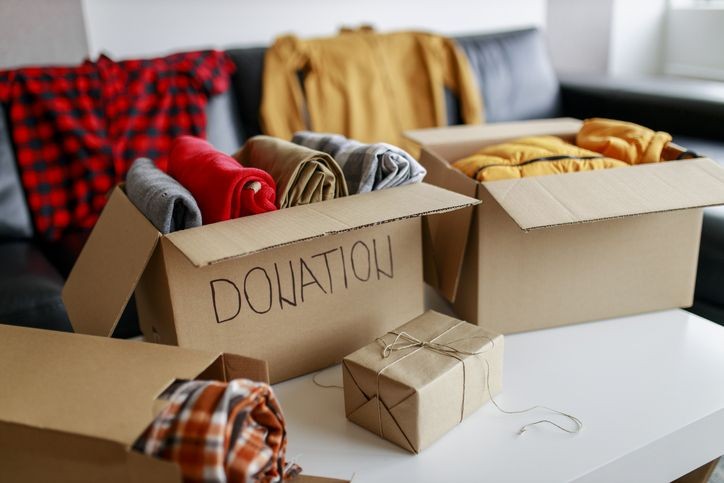
Many people declutter with good intentions, hoping their unwanted items will find a new life through donations. However, not everything is welcome at thrift stores. In fact, some items create more work for charities and often end up in the trash anyway.
Here’s a breakdown of seven things organizing professionals say you should repurpose, recycle, or simply discard instead of donating. This matters because overburdening thrift stores with unusable goods diminishes their ability to serve the community effectively and often leads to unnecessary waste.
Old Bedding and Towels: A Hygiene Issue
Pillows, sheets, and towels are often rejected due to hygiene concerns. Thrift stores can’t resell used bedding, and most of it ends up discarded. According to Tina Priestly, founder of Ready, Set, REFRESH, donations should be clean, safe, and truly usable. Instead of donating these items, consider repurposing old towels as cleaning rags or contacting homeless shelters or animal rescues, which often accept fabric donations.
Large, Worn Furniture: Space and Value Problems
Large furniture pieces like dated sofas or dining sets are frequently declined. Matt Paxton, a downsizing expert, explains that charities lack space for items families emotionally overvalue but rarely sell. If your furniture is still functional, try selling it on Facebook Marketplace or a Buy Nothing group. Otherwise, junk removal is the better option. The issue isn’t just the clutter; it’s that thrift stores aren’t equipped to store or sell oversized, outdated items.
Mismatched Plastic Containers: A Lidless Problem
Donating plastic containers without lids is pointless. Thrift stores discard them because mismatched containers are useless. Repurpose them instead: use them for windowsill gardens or bird feeders. The problem is simple: incomplete sets create more waste rather than reducing it.
Opened Toiletries: Hygiene and Expiration Concerns
Partially used toiletries (lotions, soaps, makeup) are also rejected. Jane Stoller, a productivity expert, points out that thrift stores avoid unhygienic items that often expire quickly. Check local government websites for proper disposal or recycling options. The key issue is hygiene and the limited shelf life of opened cosmetics and personal care products.
Outdated Textbooks and Reference Books: Heavy, Useless, and Space-Consuming
Old textbooks and reference books are often too heavy, outdated, and unsellable. Thrift stores typically dispose of them themselves. Before tossing them, search for the ISBN to see if you can resell them online or at a college bookstore. If not, recycle responsibly. This reflects the fast pace of academic updates: outdated materials simply aren’t valuable to anyone.
Baby Gear (Strollers, Walkers, Car Seats): Safety First
Thrift stores often decline strollers, walkers, and car seats due to safety concerns. Even if they appear functional, they may not meet current safety standards. Some organizations offer trade-in or recycling programs for car seats, but otherwise, dismantle and recycle usable parts. The risk of selling unsafe baby gear outweighs any potential benefit.
Broken or Outdated Electronics: A Tech Waste Problem
Finally, broken or outdated electronics create more work than value. Thrift stores lack the time and capacity to fix or dispose of e-waste properly. Recycle responsibly instead. The rapid pace of tech advancements means that even slightly outdated electronics quickly become obsolete and unusable.
In conclusion, before donating, consider whether an item is genuinely useful to someone else. If not, repurpose, recycle, or dispose of it responsibly. Effective decluttering isn’t just about getting rid of things; it’s about ensuring those items don’t become someone else’s waste problem.