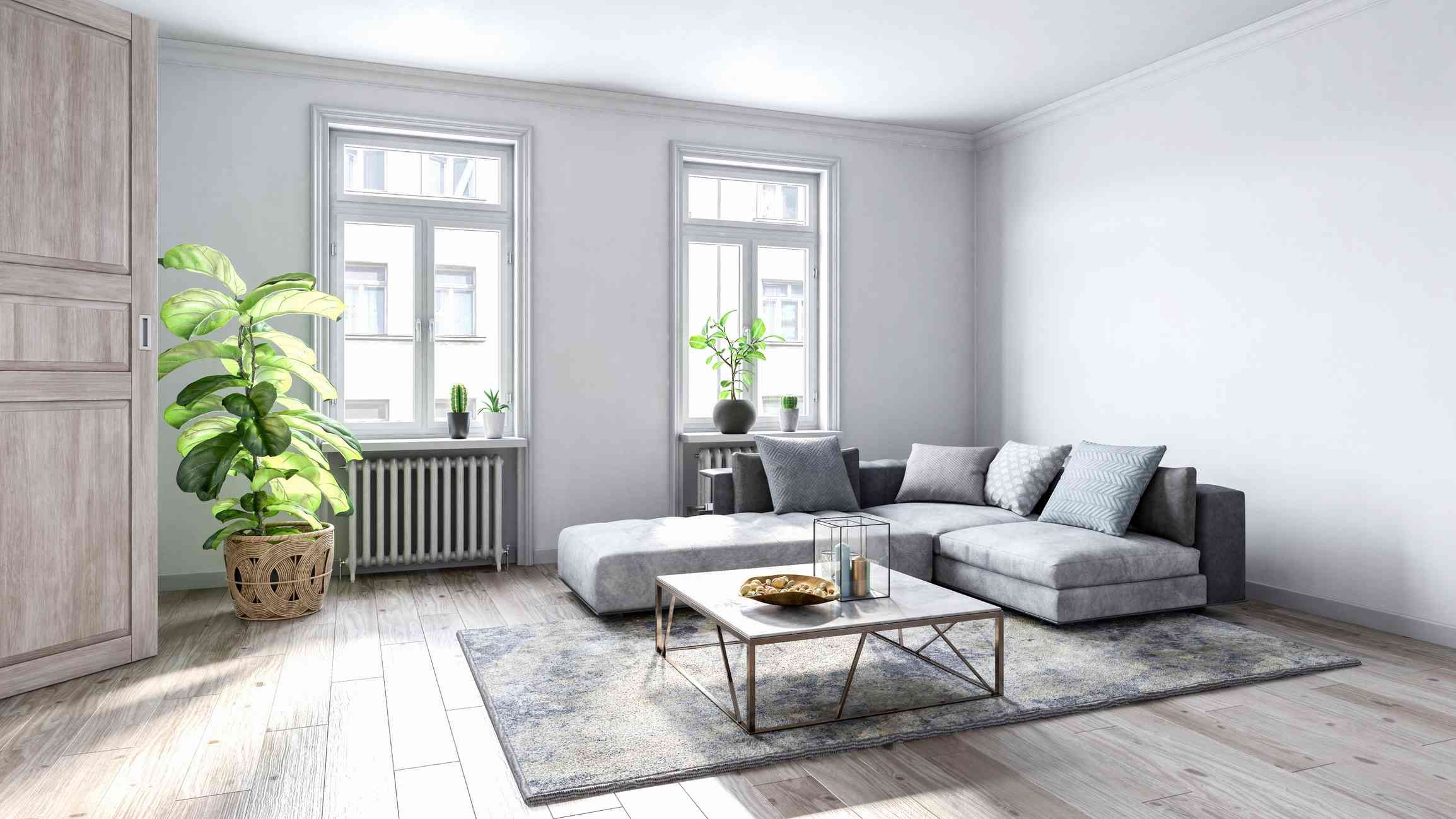
An empty-looking living room can feel unwelcoming, despite being fully furnished. If your space feels bare or unfinished, it’s likely missing key elements that add warmth, style, and personality. Designers say these seven factors are often overlooked, but making simple adjustments can transform a sparse room into a cozy and inviting space.
The Importance of a Defined Focal Point
A living room without a clear focal point feels directionless. A focal point anchors the space, drawing the eye and providing a sense of structure. This could be a fireplace, a striking piece of artwork, or a well-chosen sofa.
As Caitlin Marie of Caitlin Marie Designs explains, prioritizing the focal point is smart: “First, you may want to devote more of your budget to this area of the room since it will receive the most attention.” Consider a statement mirror or large framed art to immediately create a visual center. Fireplaces and media consoles are common starting points, often enhanced with artwork or a TV above.
Furniture Scale Matters
Furniture that’s too small can make even a well-decorated room feel sparse. Tiny sofas, chairs, or tables leave empty space around them, making the room feel unfinished.
Melissa Michaels of The Inspired Room suggests, “A sectional, large sofa, large coffee table and even built-in bookcases will help anchor a room.” In larger spaces, substantial furniture is key. For smaller rooms, vertical elements like tall bookshelves or statement lamps can add dimension.
Ground the Space with an Area Rug
An area rug is essential for defining the seating area and pulling furniture together. Without one, pieces may appear isolated.
Marie notes, “Rugs can help create separate areas in an open-concept home.” Ensure the rug extends under at least the front legs of main furniture pieces—sofa and coffee table—to ground the space.
Walls Need Artwork
Bare walls make a living room feel empty. Artwork adds warmth and personality, and doesn’t have to be intimidating to choose.
Michaels recommends bolder choices: “If you have framed prints or photos for your wall, go with a larger size.” Large-scale art works well with high ceilings, while gallery walls or medium-sized prints suit smaller rooms. Hang art at eye level for maximum impact.
Layer Your Lighting
A single overhead light often isn’t enough. Layered lighting—table lamps, floor lamps, and sconces—adds warmth and dimension.
Marie suggests, “I like to have three different light sources in a large room, or two in a small room.” Use multiple sources around the room, including dimmable options for customizable ambiance.
Texture Brings Life
Textiles—throw pillows, blankets, and curtains—add warmth and softness. Without them, a space can feel stark. Layering fabrics introduces color and comfort.
A rustic ladder layered with blankets is one solution for filling corners. Floor-length curtains, even sheer ones, finish windows beautifully.
Conquer Empty Corners
Unused corners make a room feel incomplete. Adding a plant, floor lamp, or small chair turns these spaces into intentional features.
A tall plant like a fiddle-leaf fig breathes life into an empty corner. Alternatively, a statement lamp or accent chair can fill the gap.
Finally, personal touches matter. Add books, vases, candles, or family photos to make the space feel lived-in and uniquely yours. By incorporating these elements, you can transform an empty-feeling room into an inviting space that reflects your style.