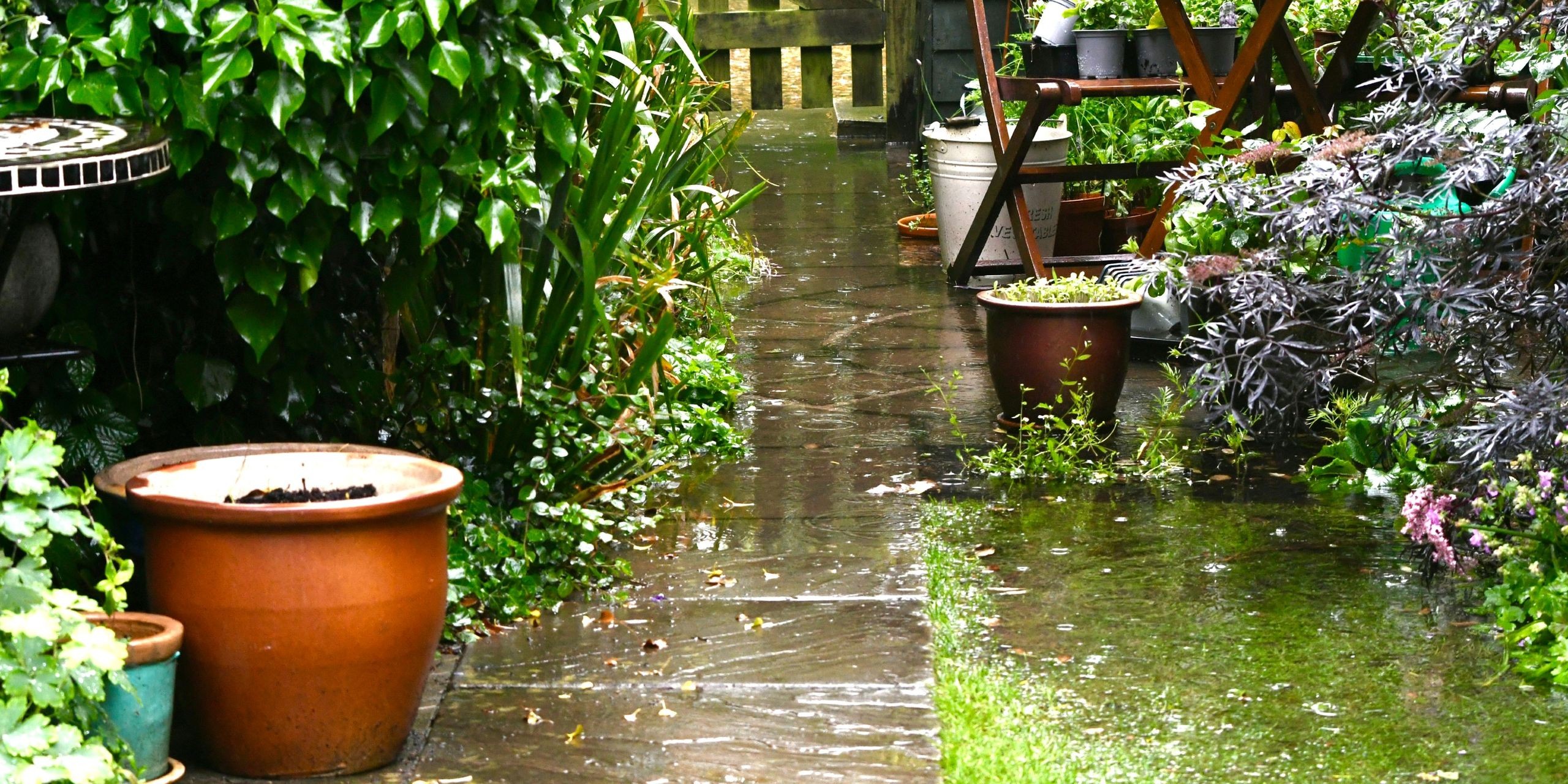
Homeowners are increasingly recognizing the value of sustainable drainage systems (SuDS), not just as an environmental necessity, but as a practical way to protect their properties from flooding and enhance their outdoor spaces. Whether dealing with persistent water pooling, waterlogged gardens, or planning a new landscape project, improving property drainage is crucial. Local councils are now actively encouraging SuDS to reduce surface water runoff onto public roads, and forward-thinking homeowners are integrating these solutions into their designs.
What Are Sustainable Drainage Systems?
SuDS are designed to mimic natural drainage processes, reducing pressure on traditional sewer systems. They work by diverting, slowing, and filtering surface water, improving both drainage and the aesthetic appeal of outdoor spaces. According to Adam Boucher of Severn Trent, “Our towns and cities are at risk of flooding… SuDS combine the latest technology with Mother Nature.”
Practical SuDS Options for Homeowners
Several SuDS options are accessible to homeowners, each offering unique benefits:
- Permeable Paving: A requirement for many new driveways, permeable materials like block paving and gravel allow water to soak away slowly, preventing flooding and often eliminating the need for planning permission. Jack Hamer of Silvermere Landscapes notes that “Nine times out of 10 on a typical domestic driveway… we will design the falls and drainage so that all the surface water stays within the plot.”
- Soakaways: Subsurface drainage systems that percolate rainwater back into the ground, preventing flooding. Kits are available for DIY installation, making them a discreet and effective solution.
- Rainwater Harvesting: Capturing rainwater in water butts or more complex filtration systems reduces runoff and provides water for gardening or even household use (with advanced systems).
- Rain Gardens: Shallow depressions planted with flood-tolerant species absorb runoff, reducing waterlogging and attracting wildlife. According to the RHS, rain gardens are ideal for well-drained gardens with a minimum 10% slope.
Regulations and Requirements
While not universally mandated, SuDS are often required for new driveways over 5m² without permeable materials, necessitating a French drain or soakaway. Building extensions also trigger regulations regarding surface water management. David Iddon of DTS Property explains that extensions increase impermeable surfaces, requiring appropriate drainage solutions to avoid contributing to local flooding. Percolation tests are recommended during planning to determine the best approach, especially in clay-rich soils.
The Benefits and Drawbacks of SuDS
SuDS offer clear advantages: reduced pooling, waterlogged gardens, potential wildlife attraction, and even water bill savings through rainwater harvesting. The primary drawback is cost, though solutions like gravel driveways and simple water butts are affordable. Soakaway installation can range from £800 to £2,500, depending on size and labor.
Conclusion
Implementing sustainable drainage systems is a smart move for homeowners seeking to protect their property, comply with regulations, and contribute to a more resilient infrastructure. While initial costs may be involved, the long-term benefits of reduced flooding risk, improved landscaping, and potential water savings make SuDS a worthwhile investment. 💧 🏡 🌳