Leggy houseplants – those with stretched stems and sparse leaves – are a common sight. This condition, called etiolation, isn’t just an aesthetic issue; it signals the plant isn’t thriving. But fixing it is surprisingly straightforward. Here’s how to restore fullness to your indoor greenery.
The Root Cause: Insufficient Light
The primary culprit behind leggy growth is a lack of light. Plants stretch towards the nearest source, resulting in weak, elongated stems. This makes them vulnerable to pests and diseases. The solution? Increase light exposure.
Consider the plant’s needs: low-light varieties like peace lilies and ferns do well near north- or east-facing windows. Sun-loving species (succulents, cacti) require direct sunlight from west- or south-facing windows.
Rotate for Even Growth
Even with adequate light, houseplants tend to lean towards the source. In nature, plants grow upwards uniformly, but indoor light often comes from one direction. Combat this by rotating the plant slightly each watering (every 1-2 weeks). This ensures balanced growth on all sides.
Avoid Overwatering and Overfeeding
While light is key, improper care contributes to legginess. Overwatering weakens plants, while excessive or incorrect fertilization hinders healthy root development. Too much nitrogen forces rapid stem and leaf growth at the expense of root strength. Use a balanced 10-10-10 fertilizer only during spring and summer, and dilute it to half strength to avoid overfeeding.
Pruning for Bushier Growth
Regular pruning encourages fullness. Trim dead leaves, leggy stems, and bare vines to stimulate new, denser growth. This is especially effective for trailing plants like philodendrons and monsteras. Light pruning can be done year-round; reserve heavier pruning (up to one-third of foliage) for the spring growing season.
Propagation: The Last Resort
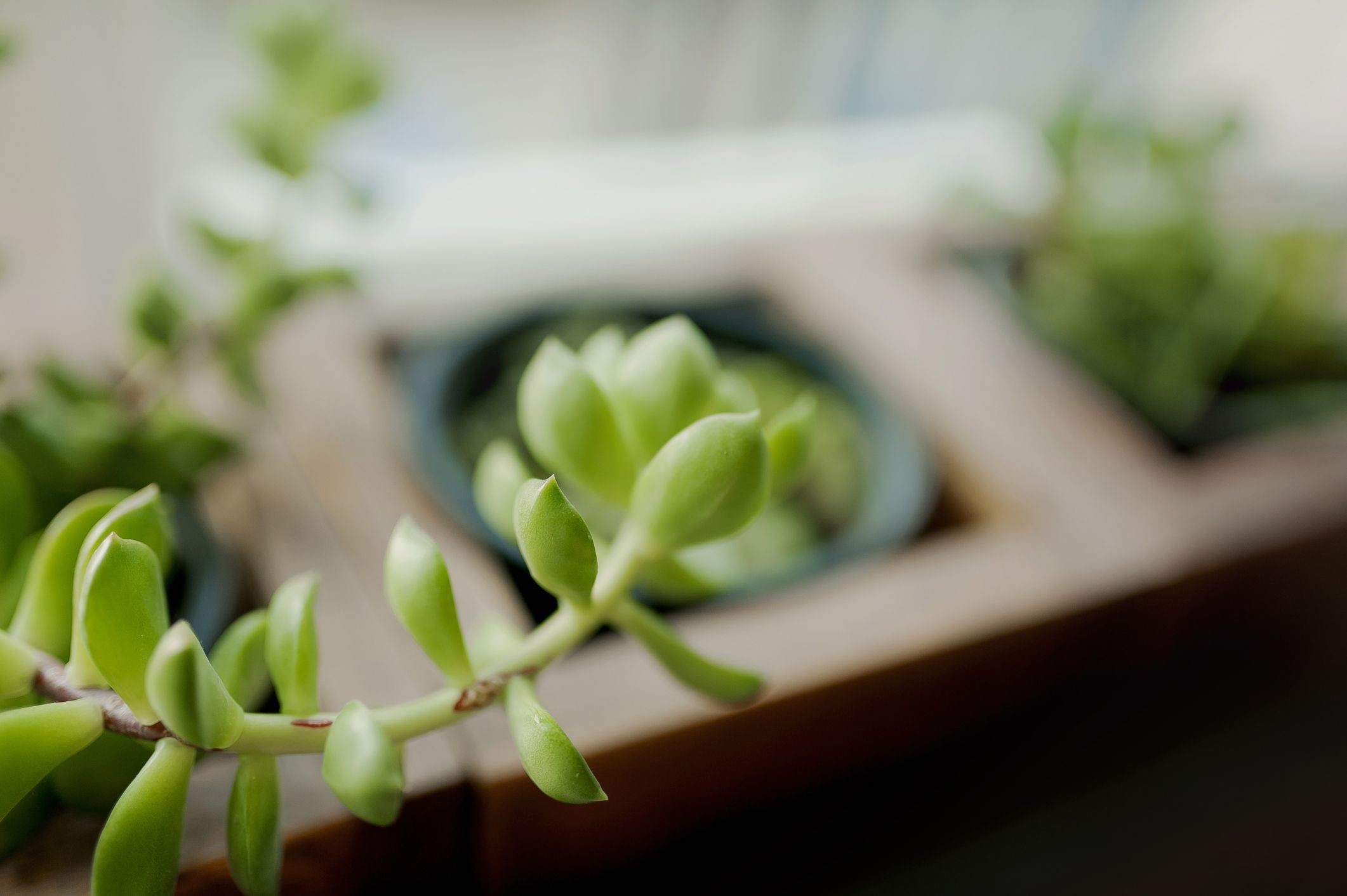
Etiolation is often irreversible. Once a succulent has stretched, it won’t revert to its compact form. However, you can salvage the situation: chop off the healthy stem tip and propagate it. Under the right conditions, a new plant will grow correctly from the start.
A leggy plant is a sign that something is missing, but with the right adjustments, you can bring your houseplants back to their full potential.
Addressing legginess isn’t just about aesthetics; it’s about ensuring your plants have the conditions they need to thrive. By optimizing light, care, and maintenance, you can restore fullness and vitality to even the most stretched-out houseplants.