Tight budgets mean we’re all looking for holes in our finances. When fossil fuel prices fluctuate wildly, heating your home can seem like an unreasonable expense. For this reason, more and more homeowners are looking for alternatives. Wood pellet stoves have become a practical and efficient solution to this price fluctuation.
The move is real. About 64% of Americans are actively considering new heating technologies such as fireplaces, wood stoves, and pellet units to improve energy efficiency. Pellet systems is not only efficient; they leave a lighter environmental footprint is lower than most traditional heating mechanisms. In 2009 alone, approximately 800,000 US households switched to a pellet stove.
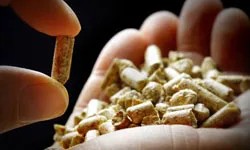
These units burn dense, compressed fuel pellets. They are typically byproducts of sawmills that turn waste into reliable heat. The combustion is clean and thorough.
Thinking of taking the plunge? Here are some important points you should know before buying.
Learn more about fuel flexibility
Pellet heating has long been a staple in Europe. Its footprint in the United States is also growing steadily. By 2011, there were more than 80 pellet plants in North America, producing more than one million tons of fuel annually.
One big advantage? You aren’t locked into just one type of fuel. Many models operate strictly on the basis of standard sawdust, wood, and bark pellets, but others have amazing flexibility. Some can handle multiple biofuels.
These include:
– corn kernels
– soybean
– Nutshells
– barley
– Dried cherry pits
– beet pulp
– wheat
– Sunflowers
With this fuel selection, you can find the cheapest and highest quality fuel in your area. This is a direct environmental benefit. Buying locally reduces transport emissions and supports the local economy. You are buying more than just a heater. You’re gaining access to a adaptable energy source.
Environmental effects
Pellet fireplaces burn cleaner than you think. Because the fuel is dense and dry, it releases fewer particles and pollutants than traditional wood burning. This makes them an attractive option if you are concerned about your carbon footprint.
The process of installing a wood pellet fireplace usually starts with a quick look at the books. People want to reduce their energy bills. Some adhere to this economic logic. Some people realize that they are saving money and advocating a greener lifestyle. The difference is important. Fossil fuels such as oil, coal and natural gas are finite. they vanish. Wood pellets are different. They are renewable natural resources.
The use of biofuels changes the equation. This provides a cleaner alternative to burning non-renewable natural resources. The most convincing argument is carbon dioxide emissions. Burning these fuels is considered carbon neutral. They do not release fresh greenhouse gases into the atmosphere like traditional heating systems. In fact, some experts suggest that switching to pellet heating could reduce carbon dioxide emissions from traditional fossil heating by up to 75%.
You get a double benefit. More money in your pocket. Reduce your impact on the environment. This is a practical move for both your wallet and the planet.
Support the circular economy
We recycle paper. Sorting aluminum cans. We rinse plastic bottles. But there is another layer to recycling that is often overlooked. With a pellet stove, you can actively support this cycle.
These pellets are rarely made from logs. This is a waste. Manufacturers turn factory by-products into fuel. It includes sawdust, wood chips, bark, etc. Agricultural crop residue joins the party. Also contains old paper. These materials have no other practical use. If it has no use, it ends up in a landfill.
Pelleting them gives them a second life.
“Using pellets means reusing material that normally goes to the landfill.”
This also has financial consequences. If you’re buying pellets from a local retailer, you’re probably buying from a nearby company that sources raw materials. Your purchase helps sustain local industry. It keeps capital within the community. It’s not just about burning wood. This keeps the local economy warm.
Reduce your energy bills
The focus of the discussion is on calculating heating costs. The prices of natural gas and oil vary greatly. These are closely related to global markets and geopolitical tensions. Pellet prices are usually relatively stable. They are produced locally or regionally, which protects them from international fluctuations.
This stability is a big selling point for homeowners looking to reduce their monthly expenses. modern pellet inserts are very efficient. They convert more of the fuel’s energy into heat than older wood stoves. Consumes less fuel to get the same amount of heat. In winter, the difference can be noticeable.
This is not a silver bullet for every family. Insulation is important. The climate is important. But for many people, switching to pellet heating is an easy way to reduce monthly costs. You exchange unstable goods for stable, locally produced products. The savings add up. Environmental costs are reduced. For many people, this is a reasonable compromise.
Natural gas, propane and oil prices often get out of control. One month you can manage it and the next it doubles overnight and left scrambling. The price of wood pellets tells a different story. Over the past decade, costs have remained remarkably flat. Such stability is not only a good thing. This is a financial hedge against market fluctuations.
Most homeowners do not use pellets to heat their entire home. Instead, they use them strategically. Install a pellet fireplace in your living room or den. Keep the space comfortable. Then lower the thermostat temperature elsewhere. Central heating is still available but at a lower setting. Your savings will grow quickly.
For those willing to go all out, there are whole house pellet systems. They can operate as stand-alone units or integrate directly into an existing duct or central heating infrastructure.
How do wood pellet fireplaces work?
The mechanism is surprisingly simple. These units run on electricity, but use automation for heavy lifting. Start by filling the hopper with bags of compressed pellets. An auger, essentially a big screw, takes over from there. The pellets are sent to the combustion chamber at a constant speed.
Burns very slowly. Effective. Continuous.
The storage method is a big change from traditional firewood. We do not transport logs or stacking splits. You are storing compact bags. This reduces the strain on the body and eliminates the need for a chopping block or ax. Place the bag in a dry place only. Moisture can destroy the fuel. And always keep a buffer stock. There is nothing worse than running out of fuel due to a cold snap.
Adjustable heat output
Automation extends to temperature control. Never stick to one temperature setting. Most modern pellet stoves have digital controls that allow you to precisely adjust the temperature you want. The system adjusts the feed rate of the pellets to match your target. Set it and forget it or adjust it when it gets colder at night.
3. Know What Can Be Burned
Not all combustible materials can be safely fed into these machines. In fact, it may void your warranty or damage your device. Standard wood pellets must be used. These are specially designed for combustion efficiency and low ash yield.
Avoid using hardwood briquettes, charcoal or treated wood. The high ash content and chemical additives of these materials can clog the supply system and cause dangerous deposits in the combustion chamber. Check the manufacturer’s instructions for a list of approved fuels. Although some newer models can handle slightly different biomass mixes, it is safest to use certified wood pellets for long-term reliability.
2. Understand heat generation
Before you commit, do the math on your energy bills. Wood pellet fireplaces are efficient, but they are not magic. They work best as zone heaters. You won’t be heating an entire large house with a single insert. You can also use it to lower the thermostat elsewhere and keep your living room or bedroom comfortable.
This makes them perfect for reducing overall heating costs if you spend most of your time in one area. However, if you live in a very cold climate, you may need a backup system. Check the BTU rating as heat output varies by model. Higher BTUs produce more heat, but also consume more pellets. Compare this with local pellet prices to see if you can really save money.
1. Check local regulations and installation requirements.
You can’t just plug a pellet fireplace into any wall. Venting is a serious consideration. Most installations require special ventilation systems to move combustion gases outside. This may mean cutting holes in the walls or running a pipe up through the roof.
Some models have direct ventilation, which makes installation easy, but still requires expertise. Some kits allow for DIY installation, but this can be risky if you’re not comfortable with HVAC work. Improper ventilation can cause carbon monoxide leaks, which can be life-threatening. Be sure to check with your local building authority. Some areas may have strict regulations for solid fuel appliances. The insurance company’s permission or special permission may be required. Do not skip this step. Fixing a code violation later costs a lot more than fixing it in the first place.
The hidden costs and reality of #pellet stoves
Fuel availability is not a panacea. Before dealing with a particular unit, you need to know exactly what it eats. Some models are demanding and designed for standard wood pellets. If you live in a rural area where that’s all you can get, that’s fine. Others are more versatile and can burn a wider variety of biofuels. The most important thing is to match the machine to the local supply chain. You need a fireplace that burns fuel and that you can actually get without having to drive across town.
Then there is the quality of the fuel itself. It sounds small, but it makes all the difference. Standard quality pellets have a lower initial cost, but are more contaminated. They produce much more ash than premium grades. In the low price range there is a hidden tax in maintenance. The more ash you have, the more often you have to scrub or vacuum the burner container. Premium pellets burn cleaner and leave less residue, helping your equipment run smoother and longer. Is the extra weekend cleaning worth saving a few bucks on fuel? It’s your decision.
Financial incentives for green upgrades
Homeowners often overlook the financial benefits of green renovations. Governments have encouraged the improvement of environmentally friendly housing for many years. If the biomass furnace or fireplace you install is 75% efficient, you may be eligible for a federal tax credit.
The rules are subject to change, so please check the current status. Previously, however, the incentive was about 10% of the total cost, capped at $300. The same applies to wood and pellet units. Did you buy one a few years ago and miss out? You may be able to claim a deduction based on previous tax returns. Don’t think the window is closed. Check the Internal Revenue Service (IRS) guidelines for the year you purchased. You could be due a refund you didn’t know you were owed.
Disadvantages of pellet heating
It’s not about pure burns and refunds. There are tangible downsides to going pellet. First, it’s not “set it and forget it.” The hopper must be refilled regularly, and if the power goes out, the fan stops and the fire goes out. The connection to the network is different from traditional wood-burning stoves.
The second is maintenance is real. Those standard pellets? They clog. If the fuel is uneven or has too much debris, the auger can jam. Heat exchangers are covered in creosote and ash and require professional repair to maintain efficiency and safety. If not maintained, a cheap pellet stove can end up costing you more in repairs and labor than in fuel costs.
Hidden costs and features of pellet heat
Pellet fireplaces are often marketed as a practical alternative with cheap fuel, low emissions and a small footprint. They work. However, they are not fully functional. If you are replacing a natural gas line with a silo, you need to know what you’re signing up for.
First, air quality. Burning wood is different from burning natural gas or oil. It produces particulates. For some, it means clean air. Some people may have difficulty breathing. Low-quality pellets? These can make the situation worse. Stick to branded, high-density units and watch the smoke.
Power is the other Achilles’ heel. These are not passive things. Electricity is needed to power the auger, rotate the fan and adjust the flame. Cut the grid, cut the heat. A backup generator is needed. Some newer models have built-in batteries that can keep them running for an hour or two during a short power outage, but this isn’t a long-term solution. Prepare for the worst.
The placement of the thermostat is important. Placing the device too close to the central heating sensor will give incorrect readings. Pellet stoves can heat a room instantly. The thermostat determines that the whole house is warm. The stove remains off. The living room is warm, but the bedroom is cold. Check the air flow. Move the sensor if necessary.
Next is the price tag. Don’t budget for just the unit. The stove itself can cost anywhere from $1,500 to over $3,000. Installation? That’s extra. Ventilation, electrical work, hearth pads—it These costs can add up quickly. Comparing this to the price of a standard blade makes the calculations difficult.
Let’s talk about aesthetics. A log fire has character. It crackles. It pops. It smells like a campfire. A pellet fire is steady. It hums. The fan whirrs. It’s consistent, but it lacks soul. If you’re looking for atmosphere, you may be disappointed by the mechanical precision.
For more details on heating options, keep digging. There are all kinds of efficiency ratings and BTU calculations.
Dig deeper
The conversation doesn’t end with the stove. Continue to provide maintenance, fuel storage and long-term reliability. See model-specific information, installation guides and user reviews at the links on the following pages. Some units last 10 years. Others need new igniters every winter.