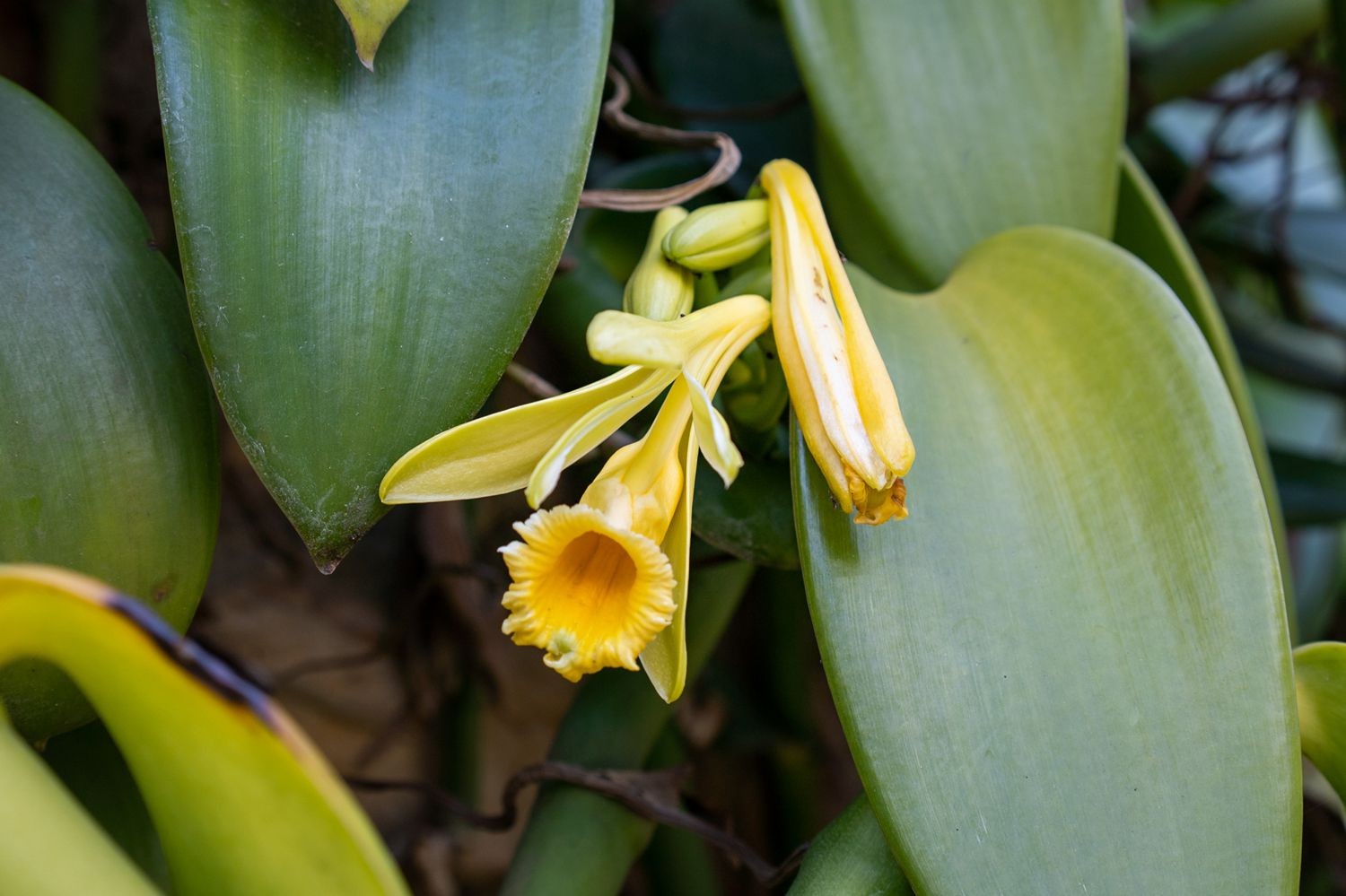
And it isn’t a bean. Not technically. Vanilla planifolia is a climbing vine from the orchid family that wants to grow eighty feet long in the wild. Inside? Forget it. You are looking at six feet. Maybe less. It is a temperamental, humidity-craving, slow-growing nightmare that happens to make the most expensive spice in the world.
Most people give up before seeing a single flower. The odds are against you.
It Hates Where You Live
Unless you live in USDA zones 11 or 12, your vanilla orchid hates you. Or at least your weather does. This plant comes from the jungles of North and Central America, the Caribbean, and nearby islands. It expects heat. Consistent, wet heat.
You need bright, filtered shade. Think canopy cover, not desert exposure. Put it by an east-facing window if you can. South or west? No. The afternoon sun will burn it to a crisp in an afternoon. It handles morning light fine but direct afternoon rays are a death sentence.
Dirt Is Overrated
You can start it in soil. A mix of half orchid bark, half regular potting soil. Keep it dense enough to hold nutrients but loose enough to drain. The plant is an epiphyte, which is Latin for “lives on other plants.” Eventually, the vine will put down roots that grab moisture from the air itself. It will ignore your dirt pot once it learns how to be a vine.
Keep that dirt damp. Not soaked. If it stays wet, the roots rot. If it dries out, the aerial roots die. You walk a fine line here. Mist the air, mist the leaves, mist the trellis. You want the air humidity near eighty percent. Yes. Eighty. You are essentially running a indoor rainforest in your living room.
The Warmth Game
Daytime temperatures should sit between eighty and ninety-five degrees. At night, sixty to seventy. Any frost? The plant dies. It doesn’t just go to sleep. It ceases to exist.
Airflow is the catch. You need that high humidity but the air has to move. Stagnant wet air breeds fungal rot. It turns your vine into mush overnight. Circulate the air or lose the plant.
Food and Trim
Feed it lightly. Every two weeks, from spring to summer. Use standard orchid fertilizer. Do not guess. Follow the label. It prefers steady, light doses to heavy, occasional binges.
Do not prune it for fun. The plant doesn’t care if its vines get too long. Pruning is only for when it becomes a jungle indoors. Cut below a growth node with clean shears. Throw away the trim? No. You can propagate from them. Which brings us to the good news.
Propagation: Skip The Seed
Seed? Forget it. Growing vanilla from seed is unreliable, complicated, and likely to fail. Cut a stem. It needs at least six growth nodes. Strip the two bottom leaves.
Stick that cutting in moist sphagnum moss. Or mix peat moss, orchid bark, and perlite equally. Bury the bottom nodes. Pack it tight. Put a stake in there and tie the cutting to it.
Then wait. Four to six weeks for new growth. When it starts vining again, move it to a bigger trellis. Repeat this every time you want a new plant. Patience is not optional. It is the price of entry.
The Hard Part: Pollination
Here is where most people quit. Your vine takes three to five years just to get mature. It takes two thousand days of perfect care for one bloom. And when that tiny flower opens? You have twelve hours. Twelve.
It will not self-pollinate unless you help. In Mexico, a specific bee does the work. You do not have that bee. So you become the bee.
Take a toothpick or chopstick. Scrape pollen from the stamen. Smear it on the stigma. Done? Maybe. Check it. If successful, the flower shrivels on the stem instead of falling off. If it drops? Try again.
Wait another nine months for the green pods to grow.
The Bean Does Not Want To Be Vanilla
Green pods taste like nothing. Bland, grassy, forgettable. They need curing. The process that makes them expensive. The process that ruins most home attempts.
For six weeks, every night, wrap the green pods. Trap the heat. Trap the moisture. Let them sweat. In the day? Dry them. Sunlight or heat lamp. Brown them up. Shrink them down. Then sit in the dark and dry place for another three months.
Why bother? Because raw green pods are worthless. Cured beans? Worth your weight in gold. But doing it at home? It is laborious. Smelly. Difficult. Most home growers get green sticks that taste like wet cardboard.
When Things Go Wrong
It usually does. Vanilla is notorious for being difficult.
Root rot is the silent killer. It comes from too much water and too little air.
If your leaves turn yellow? You overwatered it. Check the roots. If they are mushy, you waited too long to fix it. Brown, crispy roots mean it is thirsty. Drown the soil briefly, then crank the humidity.
Leaves look scorched? The sun is too hot. Move it back to the shade.
Pests will show up. Spider mites. Mealybugs. Spraying horticultural oil helps. For mealybugs, a Q-tip soaked in rubbing alcohol is the best tool you have. Wipe them off. Physically remove them.
You want to grow vanilla? Fine. Build a greenhouse. Install a humidifier. Get a timer. Expect to lose the first two vines. Expect the third to die of neglect because you got busy with life. The fourth might survive.
The fifth might bloom.
But by then you will realize that vanilla is not a houseplant. It is a lifestyle commitment that yields a teaspoon of spice at best. Maybe two.
Is it worth the years of sweat? The answer depends on how much you love suffering.