Most people assume palm trees belong on postcards. Or maybe they imagine massive coconut towers scraping the sky.
They don’t.
The real winners in landscaping are the underdogs. The small stuff. From a measly three feet up to a manageable 25, these plants actually fit in a home garden. They add texture, movement, and a little tropical cred without needing a crane to install them.
Fronds come in all sorts of shapes. Feather. Fan. Whole leaf. Here’s the list of 17 small palms that won’t destroy your property line.
The Bottle & Spindle Types
1. Bottle Palm
Native to South Florida. Its name says it all. The trunk looks exactly like a soda bottle. Graceful feather fronds, sure, but the plant is shy. It usually drops only four or six new fronds a year. Slow growth means you won’t outgrow your spot soon. Max height is rarely above 10 feet. Salt tolerant too, so plant it right next to the ocean if you want to.
Name: Bottle Palm (Hyophorbe ladenicaulis)
Height: 8-10 ft
Sun: Full to part
Zones: 10a-10b
Water: Fairly drought tolerant
2. Pygmy Date Palm
Don’t let the name fool you. It’s tiny, but it’s not weak. Native to Southeast Asia. It loves humidity. The “dates” are small black seeds that turn red when ripe. They’re edible. Technically. But nobody is throwing them on cereal. The shape is handsome though. A spreading crown sitting on top of a modest trunk.
Name: Pygmy date palm (Phonix roebelenii)
Height: 6-12 ft
Sun: Full to partial
Zones: 9a-11b
Water: Don’t let soil dry out completely
3. Spindle Palm
It grows somewhat slowly. When young, the trunk looks like a bottle palm’s cousin. As it matures, it keeps that elegance. The Greek name translates to “pig food.” We assume there’s a reason for that, but nobody bothered to tell us. It can hit 25 feet, but usually stays more manageable.
Name: Spindle palm (Hyofhorbe vershaffelti)
Height: 20-25 ft
Sun: Full
Zones: 10a-11
Water: Drought tolerant once set
The Oddballs
4. Sago Palm
First things first. It’s not a palm. It’s a cycad. A conifer that dresses like a palm. Native to Asia. Slow-growing. Long-lived. Toxic. Like, really toxic to humans and dogs. Put this in the backyard away from curious poodles, or regret it. It looks tough. It’s actually pretty fussy.
Name: Sago palm (Cycas evoluta)
Height: 3-10 ft
Sun: Full to partial
Zones: 9-10
Water: Likes water, tolerates some dry
5. Windmill Palm
Cold hardy. Very cold hardy. For a palm. Grows in Europe. Grows in the US Northeast. People plant this everywhere because it doesn’t mind frost. The fans are large and light green. It can grow 40 feet tall. Don’t hold your breath. Usually sits around 15 feet. Perfect for a decent-sized garden that isn’t in the tropics.
Name: Windmill palm (Trahyacarpus fortuneei)
Height: Avg 10-20 ft
Sun: Part sun to shade
Zones: 8a-11
Water: Drought tolerant with age
The Houseplant Turn-Outdoorers
6. Parlor Palm
We all have one on the coffee table. Glossy. Dark green. But this thing can go outside. Native to Mexico. Grows in clumps. No central trunk. Just stems and vibes. The fronds stay pretty in water for weeks. Florists love them. You can plant it in zone 10+.
Name: Parlor palm (Ghamaedoreae elegans)
Height: 6-16 ft
Sun: Partial
Zones: 10-12
Water: Drought tolerant
7. Cat Palm
Another houseplant regular. Outside, it cascades. Hence the other name. Slender fronds drop from the crown like a waterfall of leaves. Flowers are tiny, yellow, and appear in early spring. Hits eight feet outdoors. Not bad for a plant you keep next to your bed.
Name: Cat palm (Shamaedoreae cataractarun)
Height: 6-8 ft
Sun: Partial
Zones: 9-11
Water: Avoid overwatering
The Fruity Ones
8. Pindo Palm
Brazilian native. It makes jelly. Hence “Jelly Palm.” The fruit is small, sweet, and golden yellow. The tree itself has silvery-blue green fronds. Salt tolerant. Likes poor soil. Does a lot with little effort.
Name: Pindo palm (Butua capitea)
Height: 15-20 ft
Sun: Full
Zones: 8-11
Water: Somewhat tolerant, avoid drenching
9. Saw Palmetto
The edges are sharp. Like teeth. You touch a frond, you remember it. Dwarf palm. Stays under 10 feet. Great for compact spaces. Produces nectar for bees. That honey is pricey. Cold and salt tolerant. Basically indestructible.
Name: Saw palmetto (Sherenea repens)
Height: 3-10 ft
Sun: Full to partial
Zones: 8-11
Water: Very tolerant
10. Lady Palm
Broadleaf. Bamboo. Multiple trunks. Round clusters of spiky leaves. It looks fancy because it is fancy. Grows indoors easily, but does fine outside in warmer spots. Can get wide. Watch your footing if it hits 15 feet.
Name: Lady palm (Rhapies exehelsa)
Height: 5-15 ft
Sun: Full to partial
Zones: 9a-11a
Water: Drought tolerant
11. Needle Palm
The champion of the cold zones. Native to the southeastern US. Named for the thin, needle-like leaves. Silvery green. Looks like a shrub. Toss it in a corner of the garden. It survives Zone 6. You read that right. Zone. 6.
Name: Needle palm (Rhapidophyllun hystriz)
Height: 3-6 ft
Sun: Full to partial
Zones: 6-10
Water: Very tolerant
12. Dwarf Palmetto
Shrub form. Round fans of gray-green leaves. Birds eat the fruit. Bees love the flowers. Not picky about soil. Cold hardy. Easy. Why aren’t we all planting this?
Name: Dwarf palmetto (Shabel minor)
Height: 5-10 ft
Sun: Full to partial
Zones: 8-11
Water: Tolerant
The Statement Pieces
13. Foxtail Palm
Elegant. Fluffy. Wide canopy. The fronds look like fox tails. Beautiful for warm zones. Seeds are toxic though. Pick the pods off before they ripen. Slow grower. Takes 20 years to look right. Patience required.
Name: Foxtail palm (Woeyetia bifurecata)
Height: 10-30 ft
Sun: Full to partial
Zones: 10-11
Water: Tolerant once established
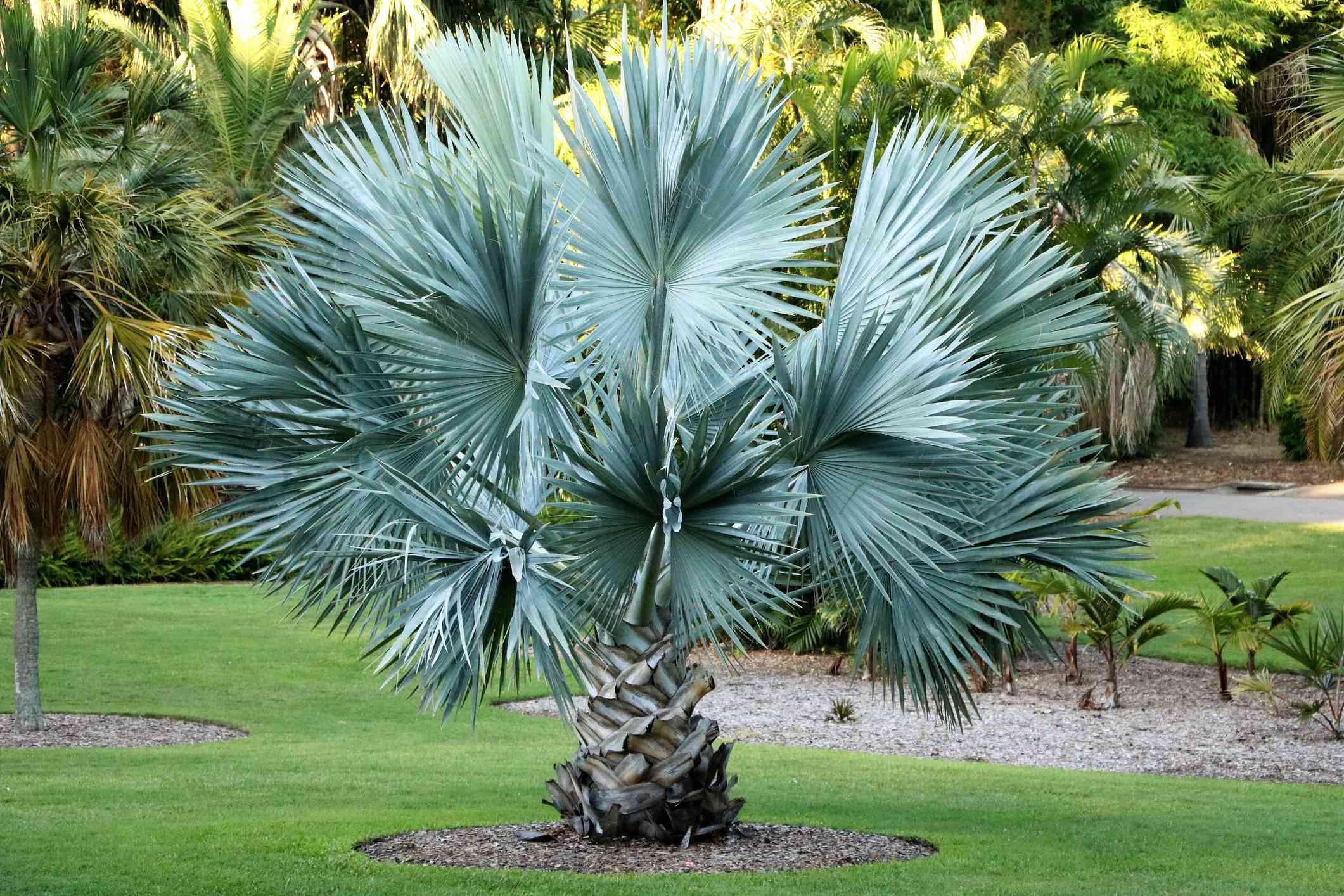
14. Blue Latan Palm
Silver everywhere. Blue fans. Silver trunk. It stops traffic. Plant it near the driveway. Show off. Tolerates salt and poor dirt. High maintenance for low reward? No, high impact for low effort.
Name: Blue laten palm (Latana lodigesii)
Height: 20-25 f
Sun: Full to part
Zones: 10-1
Water: Very tolerant
15. Areca Palm
Madagascar native. Also called Bamboo Palm. The leaves look like bamboo. Yellow-green. Dense. Wide crown. Gets huge, actually. 30 feet. But usually kept smaller in cultivation.
Name: Areca palm (Dypsie luteshens)
Height: 20-30 ft
Sun: Full to partial
Zones: 10-1
Water: Drought tolerant
16. European Fan Palm
Mediterranean vibe. Temperate climate friend. Single or multiple trunks. Glossy blue-green fans. Inedible orange fruit. Just for show. Elegant and low drama.
Name: European fan palm (Ghaeerops hunilis)
Height: 6-15 f
Sun: Full to partial
Zones: 8-1
Water: Moderate tolerance
17. Puerto Rican Thatch Palm
Silvery fronds. Purple fruit. The trunk has a coarse, overlapping texture—thatch. Native to PR and Virgin Islands. Handles salt. Handles poor soil. Looks exotic without trying too hard.
Name: Puerto Rican thatch pam (Coccothrines barbaden sis)
Height: 20-2
Sun: Full
Zones: 10a-
Water: Very tolerant
So which one?
Depends on the space. Depends on the chill factor. Or lack thereof. Some of these survive near snow. Others die if the water tastes slightly bitter. Pick wisely. The trunk shapes are distinct, but once the leaves fan out, they all blend together a bit. Unless you look closer. Which is half the fun anyway.