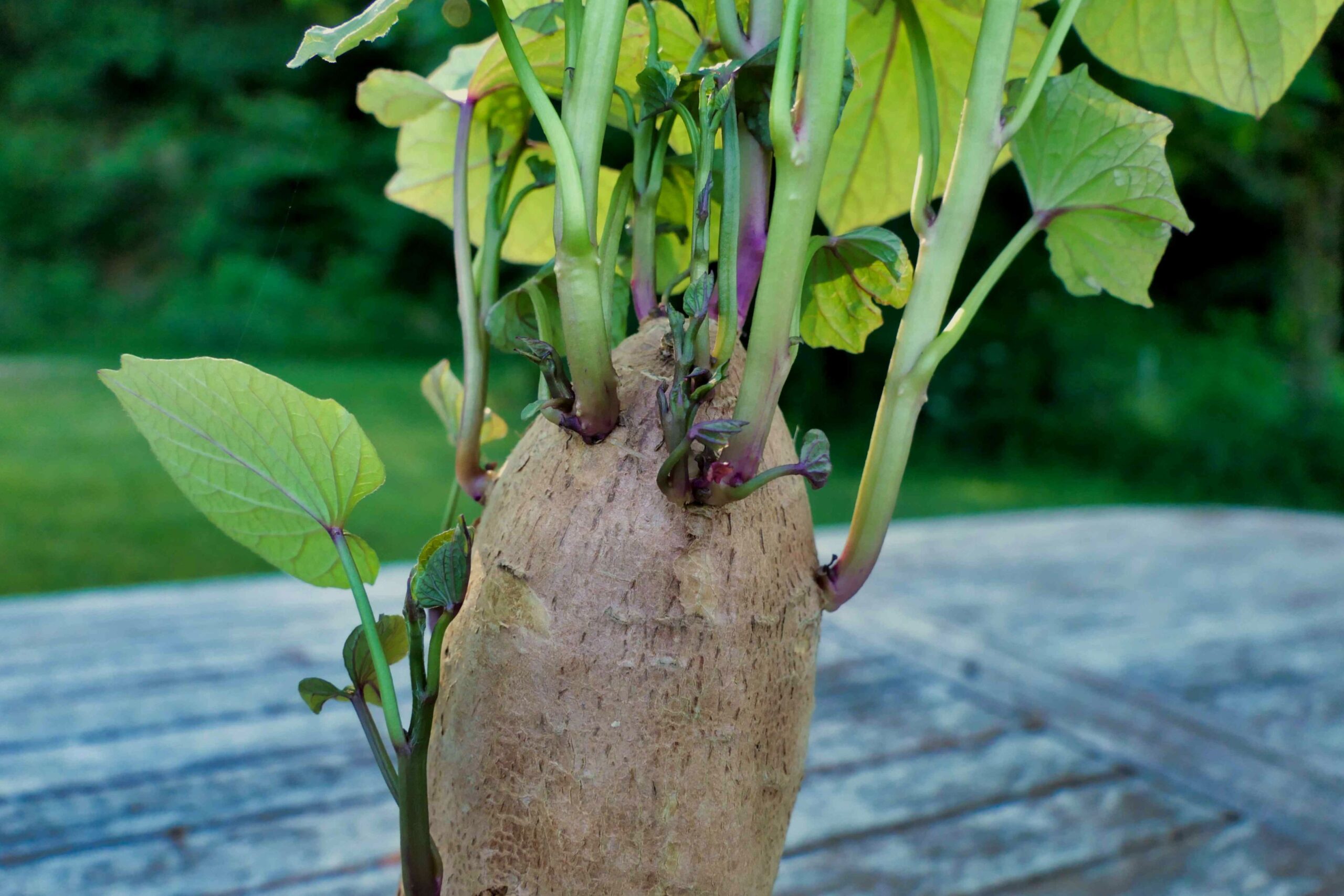
Sweet potatoes are a resilient, warm-weather crop that offers gardeners a unique opportunity: you can start your entire harvest from a single tuber bought at the grocery store or saved from last year’s yield. Unlike common white potatoes, which sprout from “eyes,” sweet potatoes produce slips —leafy vine cuttings that grow from fine root structures along the skin.
Growing your own slips is not only a cost-effective way to secure organic, untreated plants, but it also ensures you have varieties suited to your specific climate. Whether you choose to root them in water, indoors in soil, or directly in the garden bed, the process requires patience, warmth, and timing.
The Critical Role of Warmth and Timing
Success with sweet potatoes hinges on temperature. These are strictly warm-weather crops; air and soil temperatures must reach at least 60°F (15°C) before any transplanting occurs. Planting too early exposes delicate vines to cold damage, which can stunt growth or kill the plant entirely.
Because of this sensitivity, timing varies by method:
* Water Method: Allow 6 to 7 weeks for slips to develop.
* Soil Method (Indoor or Outdoor): Allow 4 to 6 weeks.
Once established in the garden, sweet potatoes require a long growing season of 85 to 120 days to produce a viable harvest.
Method 1: The Water Propagation Technique
The water method is the most traditional and accessible approach, requiring minimal equipment. It allows you to monitor root development visually and is ideal for gardeners in cooler climates who need to start seeds indoors before the weather warms up.
What you need:
* One organic sweet potato (organic varieties are less likely to be treated with sprout inhibitors).
* A clear glass or jar.
* Clean water.
* Toothpicks.
Step-by-Step Process:
1. Preparation: Fill a clear glass halfway with clean water. Insert toothpicks horizontally into the sides of the potato to act as supports.
2. Suspension: Suspend the potato so that the rooting end (the tapered tip) is submerged in the water, while the top half remains above the surface.
3. Placement: Position the glass in a sunny window. Refresh the water weekly, or more often if it becomes cloudy.
4. Rooting: Within several weeks, roots will form underwater, followed by green sprouts (slips) emerging above the water line.
5. Harvesting Slips: When sprouts reach 4 to 5 inches in length, gently twist or cut them off at the base.
6. Rooting the Slips: Place the harvested slips in a separate glass of fresh water, ensuring one or two leaf nodes are submerged. Roots will typically form within one to two days.
7. Transplanting: Once a robust root system is established, the slips are ready for the garden.
Pro Tip: A single large sweet potato can produce multiple batches of slips. After harvesting the first set, return the parent potato to fresh water to encourage further growth.
Method 2: Indoor Soil Propagation
For gardeners who prefer soil over water, starting slips indoors offers better control over humidity and temperature. This method mimics outdoor conditions but protects the tubers from rot risks associated with outdoor soil variability.
Setup Requirements:
* A seed-starting flat or large aluminum roasting pan with drainage holes.
* A tray to catch runoff.
* Moistened potting soil or seed-starting mix.
* A warm location with ample sunlight (supplement with grow lights if natural light is insufficient).
Step-by-Step Process:
1. Planting: Lay mature sweet potatoes lengthwise in the soil, burying them until the soil reaches about halfway up the sides of the tuber.
2. Maintenance: Keep the soil evenly moist and place the container in a warm, sunny spot. Bottom heat can accelerate root formation.
3. Growth: Roots will begin to form within a week, with sprouts appearing above the soil within another one to two weeks.
4. Harvesting: When slips reach 4 to 5 inches, gently pull or cut them off.
* If roots are attached: Transplant directly to the garden.
* If no roots are present: Place the slip in a jar of water for a few days to encourage root development before planting.
Method 3: Direct Garden Soil Propagation
This method is limited to climates with long, warm seasons where soil temperatures reliably reach 65°F (18°C) early in the spring. It is less common because it carries a higher risk of rot and offers less control over initial growth conditions.
Step-by-Step Process:
1. Timing: Wait until soil temperatures consistently hit 65°F.
2. Planting: Bury the rooting end of a mature sweet potato so that the bottom half is covered by soil.
3. Checking Roots: After one to two weeks, give the potato a gentle tug. Resistance indicates root formation.
4. Sprouting: The exposed top half will begin sending up green shoots.
5. Harvesting: When shoots are 4 to 5 inches long, twist or cut them off at the base. Remove the bottom leaves and place the slips in a jar of water to root for a day or two before final transplanting.
⚠️ The Risk of Rot:
The primary drawback of soil propagation is rot. If the potato is buried too deep, damaged, or the soil is overly moist, the tuber may decay. If this happens, the potato must be discarded, and the process restarted with a fresh tuber.
Planting and Care in the Garden
Once your slips have established strong root systems, they are ready for the garden. Proper spacing and protection are essential for maximizing yield.
- Spacing: Plant slips 12 to 18 inches apart within rows, with rows spaced 3 feet apart. This allows for adequate airflow and vine expansion.
- Protection: In hot, sunny weather, new transplants are vulnerable to wilting and dieback. Protect them initially using row covers or overturned pots until they acclimate.
- Yield Expectation: On average, a single healthy slip can produce approximately six sweet potatoes.
Frequently Asked Questions
How long does it take to grow slips?
It typically takes 4 to 7 weeks, depending on whether you use the soil method (faster) or the water method (slower).
Can I use grocery store sweet potatoes?
Yes, but you must choose organic varieties. Conventional sweet potatoes are often treated with sprout inhibitors to prevent them from growing during storage, which will stop your slips from forming.
What is the difference between sweet potatoes and yams?
Despite common grocery store labeling, sweet potatoes and yams are botanically distinct. Sweet potatoes (Ipomoea batatas ) are the correct choice for growing slips. True yams are a different tuber entirely and are not typically grown from slips in home gardens.
Conclusion
Growing sweet potato slips at home transforms a simple grocery item into a bountiful garden crop. By selecting organic tubers, maintaining warm temperatures, and choosing the propagation method that best fits your climate, you can ensure a successful harvest. Whether you prefer the visual clarity of water propagation or the direct approach of soil planting, the reward is a supply of fresh, organic sweet potatoes tailored to your garden’s needs.