Side yards are frequently the most underutilized real estate on a residential property. Long, narrow, and often overshadowed by the main front and back gardens, these strips of land can feel like awkward leftovers. However, viewing them as mere walkways is a mistake. Because side yards are visible from interior windows and serve as the primary artery connecting the front and back of a home, they offer a unique opportunity to extend your living space vertically and horizontally.
Whether dealing with poor sunlight, high foot traffic, or limited width, strategic design can turn these transitional zones into functional, aesthetic, and even recreational assets. Here is a curated guide to maximizing the potential of your side yard, categorized by function and design approach.
Hardscaping and Pathways
The foundation of a side yard is often its utility as a thoroughfare. Choosing the right materials prevents maintenance headaches and enhances visual appeal.
1. Gravel and Pavers
Grass often struggles in side yards due to heavy foot traffic and limited sun exposure. A combination of pea gravel and stepping stones offers a durable, low-maintenance alternative that looks elegant while preventing mud and erosion.
2. Artificial Turf
For areas with persistent shade or in drought-prone regions, artificial grass provides a lush, green appearance without the need for watering or mowing. With proper installation and care, synthetic turf can remain visually appealing for decades.
3. Turf and River Rocks
If you prefer natural grass but want to add decorative contrast, line the edges of your lawn with river rocks. This creates a clean border that suppresses weeds and adds textural interest along fences.
4. Contrasting Material Colors
Visual interest in narrow spaces can be achieved through color theory. Pairing dark gravel with light-colored pavers (or vice versa) creates depth and draws the eye, making the path feel more intentional and designed.
5. Curved Lines
Break the monotony of straight architectural lines by introducing curves into your garden paths and flower beds. Soft, sweeping shapes create a whimsical, organic feel that softens the rigid boundaries of a side yard.
6. Lined Paths
In wider side yards with adequate light, line both sides of the walkway with landscaping. This creates a sense of balance and symmetry, turning a simple path into a serene corridor.
Lighting and Ambiance
Lighting transforms a side yard from a dark passage into an inviting extension of your home, usable day and night.
7. Illuminated Pathways
Treat the side yard like an indoor hallway. Install solar-powered sconces or recessed lighting along the walls to ensure safe navigation at night and to highlight architectural features.
8. String Lights
For a cozy, intimate atmosphere, drape string lights between tall fences or trees. This “mood lighting” adds warmth and makes the space feel larger and more welcoming during evening gatherings.
Functional Zones and Entertainment
Side yards are ideal for specific activities that benefit from enclosure or linear space.
9. Bocce Ball Court
The long, narrow shape of a side yard is naturally suited for a bocce court. Ensure proper drainage and line the edges with bushes to catch stray balls, creating a dedicated game zone.
10. Putt-Putt Course
Similar to bocce, a mini-golf or putt-putt course can turn a side yard into a family entertainment hub. Add small obstacles to increase challenge and engagement.
11. Grilling Area
Utilize the side of the house to house your grill, keeping cooking smoke away from main living areas. Expand this into an outdoor bar or seating area to maximize the footprint and create a social hub.
12. Picnic Area
For dining al fresco, position a picnic table vertically along the length of the yard. This orientation preserves walking space. In very narrow yards, consider custom-sized furniture to fit the constraints.
13. Patio with Seating
A side yard can serve as a quiet retreat. Install a small patio with comfortable seating to create an enclosed, intimate spot for relaxation or conversation, separate from the main backyard activity.
Gardening and Greenery
Plants can define space, provide privacy, and add color, even in challenging light conditions.
14. Raised Garden Beds
Don’t limit gardening to the backyard. Raised beds in the side yard allow for growing vegetables and flowers in controlled soil conditions, maximizing productivity in a small footprint.
15. Tall Landscaping Plants
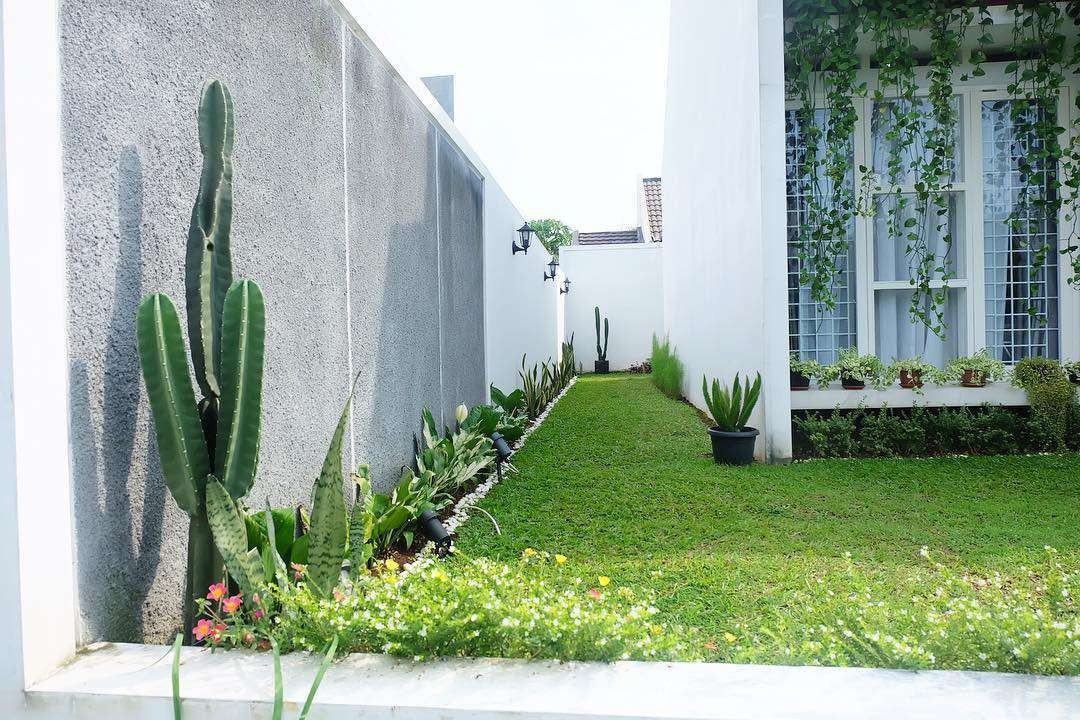
Draw the eye upward to combat the narrow width of the yard. Use tall plants, such as columnar cacti or vertical shrubs, to create greenery that contrasts nicely with wood fences and adds height.
16. Colorful Blooms
Many flowering plants thrive in partial shade, making them perfect for side yards. Select blooms that complement the shaded environment, adding vibrant pops of color against neutral backgrounds.
17. Chicken Coop Corner
For homesteading enthusiasts, a side yard is an ideal location for a chicken coop. Decorative signs and flower boxes can soften the industrial look, integrating the structure into the garden aesthetic.
Privacy, Security, and Utility
Practical considerations often dictate the design of side yards, balancing aesthetics with function.
18. Hidden Air Conditioner Condenser
HVAC equipment is often placed in side yards. Camouflage the unit with landscaping plants, ensuring you leave adequate clearance on all sides for airflow and maintenance.
19. Decorative Fencing
New fencing can revitalize a dull side yard. For extremely narrow spaces, choose open or metal fencing to create an illusion of more space and allow light to penetrate.
20. Architecturally Appropriate Gates
Ensure your side yard gate complements your home’s style. A midcentury modern home, for example, benefits from a matching minimalist gate, creating a cohesive visual flow from the house to the yard.
21. A Door as a Gate
For enhanced security and privacy, replace a standard garden gate with a walled structure featuring a door. An arched design can add architectural interest while serving as a secure barrier.
22. Arbor Over Gate
Integrate greenery with your entryway by adding an arbor to your existing gate. Matching materials ensures the addition looks seamless, as if it were part of the original design.
Aesthetic Enhancements and Curb Appeal
Small details can elevate the overall look of your property.
23. Water Fountain Courtyard
Treat the side yard as a mini-courtyard. A water fountain adds a regal touch and the soothing sound of water, enhancing the sensory experience of the space.
24. Front Yard Path Integration
Enhance curb appeal by extending your front yard design into the side yard. Use arbors with vining plants and gravel paths to create a grand, continuous entrance that is visible from the street.
25. Lawn Ornaments and Art
Inject personality into the space with outdoor art. A “sculpture trail” featuring unique planters, pedestals, and glass ornaments can turn a walkway into an engaging visual journey.
Conclusion
A side yard is not merely a passage; it is a versatile canvas that can reflect your lifestyle, whether through recreation, gardening, or quiet relaxation. By addressing practical needs like lighting and drainage while incorporating aesthetic elements like texture and color, you can transform this often-overlooked strip of land into a valuable and beautiful extension of your home.