We all know nature needs bugs. Ants, beetles, and spiders keep the soil turning and the food chain moving. But move them inside your drywall and ductwork, and the ecosystem shifts from ecological to expensive.
These invaders don’t just creep you out. They carry pathogens. They chew through structural lumber. The National Pest Management Association (NPMA) puts the annual damage from termites alone at five billion dollars. That is not a rounding error. That is a mortgage payment.
Your first shield isn’t poison. It’s hygiene and hardware.
The Zero-Tolerance Baseline
Most infestations start with a crumb. A spilled drop of soda. A bag of flour left open on the counter.
Pick it up immediately. Wipe surfaces dry. If you leave food out, you are leaving an invitation. Store pet kibble in airtight bins. Keep dry goods sealed. Crickets and cockroaches will eat anything with a protein or starch profile. Starve them out.
Then, lock the door.
Bugs are small. They fit through spaces you didn’t know existed. Check your window screens for tears. Patch them with mesh or replace the whole sheet. Inspect your foundation. Seal hairline cracks with caulk. Tighten gaps in weather-stripping around doors. Look at where pipes and vents enter the house. Those are high-traffic highways for pests. Caulk them. Silicone is cheap. Extermination is not.
The Usual Suspects
Even if you scrub daily and caulk like a pro, pests show up. They are resilient. They are persistent. They are adapting.
According to the NPMA, five specific pests dominate U.S. homes. Knowing which ones you are facing is half the battle. You cannot kill what you cannot identify.
Let’s start with the most hated roommate on the planet.
Cockroaches
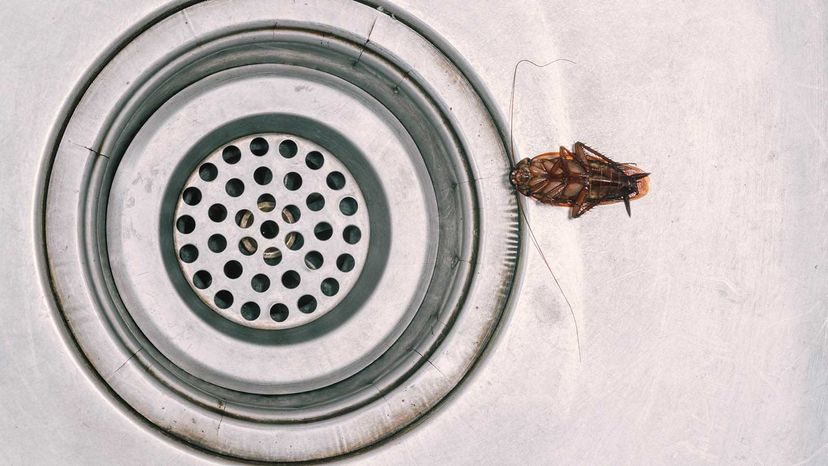
They thrive in warmth and moisture. They reproduce faster than you can think of a plan. If you see one during the day, you probably have a nest behind the fridge.
Why Bug Sprays Fail You
Let’s be honest about the half-inch to two-inch pests crawling in your walls. They are not just a nuisance. They contaminate your food. They destroy fabric and paper goods. They leave unsightly stains on surfaces. But the physical damage is the easy part.
Depending on the species, these bugs are mobile vectors for serious bacteria and viruses. We are talking about salmonella. Coliform. Staphylococcus. Streptococcus. Even the hepatitis virus.
You might reach for a can of bug spray. Don’t. It is not particularly effective for extended elimination of cockroaches. The chemicals might kill the visible ones, but the nest remains. The eggs hatch. The cycle continues.
Elimination requires a different approach. It requires vigilance.
Starving the Infestation
The first step is not poisoning. It is cutting off the supply lines.
Locate every source of water. A leaking faucet under the sink is an all-you-can-eat buffet for these pests. Dry it out. Seal it.
Remove all sources of food. This means more than just putting crumbs in the fridge. It means sealing pantry items in airtight containers. It means sweeping floors that attract ants and roaches alike. It means taking out the trash before the smell becomes an invitation.
Remove hiding places. Clutter is their shelter. Cardboard boxes are breeding grounds. Clear the floor. Clear the shelves. Expose them.
Traps as Intelligence
Put out traps. Not just to kill, but to track.
Traps help you manage the problem more quickly and effectively. They tell you where the activity is highest. They show you when they reappear. If you put a trap in the kitchen and one in the basement, you know which zone is losing the war.
This data allows you to respond. You can adjust your strategy. You can reinforce the weak points. Without traps, you are guessing. With traps, you are fighting with eyes wide open.
Mice
Now, shift gears to the four-legged intruders.
Mice are larger. They are smarter. And they are destructive in a different way. They don’t just contaminate food; they chew through wiring. They gnaw on wood. They nest in your insulation.
The same principles apply but with higher stakes.
Seal entry points. Mice can squeeze through holes the size of a dime. Inspect your foundation. Check around pipes. Use steel wool and caulk. Steel wool is key because they cannot chew through it.
Set traps strategically. Snap traps are often more effective than glue boards, which can be cruel and messy. Place them along walls where mice travel. They run close to edges, not in the open.
Remove food sources. Same as the bugs. But mice are opportunistic. They will eat anything. Keep pet food in sealed metal or thick plastic bins.
Sanitation is non-negotiable. Pick up dropped bird seed. Clean up spilled grain. Every calorie you leave is an encouragement for them to stay.
And safety? Wear gloves when handling traps or droppings. Mice carry hantavirus. Do not sweep droppings. Spray with bleach solution first. Let it sit. Then pick it up with paper towels
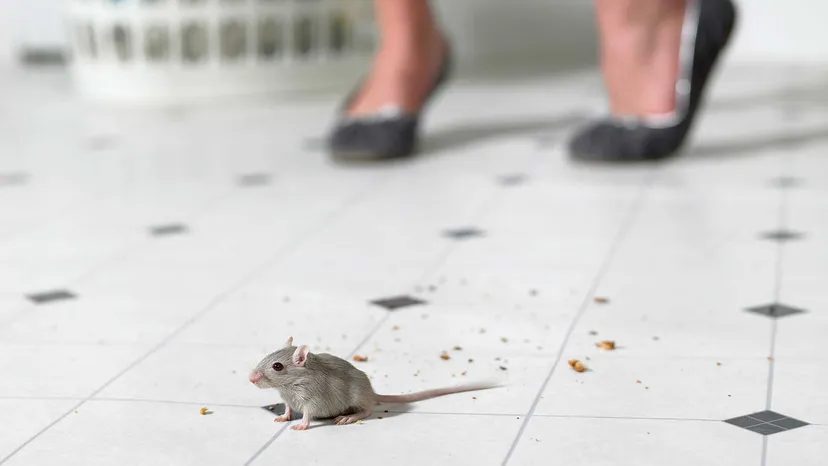
Mice are easy to underestimate. You might think they are harmless because they are smaller than rats, but that size gives them a terrifying advantage. They don’t just scurry; they invade. Even if you haven’t heard the classic scratching in the walls, the evidence is likely already there. Look for droppings. They look like oversized coffee grounds or grains of rice, scattered along baseboards, inside cabinets, or near food sources.
The damage goes beyond mess. Mice contaminate everything they touch. Urine and feces soak into household objects, clothing, and textiles. They also chew. Books, pillows, fabric storage bins—nothing is safe if they get bored or need to maintain their teeth. Their gnawing can expose insulation or electrical wiring, turning a hygiene issue into a fire hazard.
Why do they multiply so fast? Because they reproduce aggressively. A single pair can produce up to ten litters in a year. By the time you see one, you likely have a family tree growing in your attic. Speed is the only defense.
Sealing Entry Points
Mice are liquid. They can squeeze through a gap the width of a dime. If you can fit a pencil in a hole, a mouse can fit through it. This makes sealing your home the most critical step in any mouse control strategy.
Start outside. Check where utilities enter the house. Gaps around pipes, wires, and vents are common entry points. Use steel wool mixed with caulk or copper mesh to fill these holes. Mortar or cement works well for larger structural cracks. Inside the home, inspect door frames, window sills, and the foundation. Install door sweeps on exterior doors to close the gap at the bottom.
Do not neglect the garage or outbuildings. Mice use these spaces as staging grounds. If you store bird seed, pet food, or compost there, seal it in heavy-duty plastic or metal containers. Open bags of feed are an all-you-can-eat buffet for them.
Trapping and Removal
Sealing keeps them out. Traps handle those already inside.
Snap traps are the most reliable option. They are cheap, effective, and don’t involve poison. Bait them with peanut butter or a small piece of dried fruit. Place them perpendicular to the wall, with the trigger end facing the baseboard. Mice run along walls, not through the middle of a room. Set traps in high-traffic areas: behind appliances, under sinks, in corners of basements, and near attics.
Glue boards are available but controversial. They cause prolonged suffering for the animal and can be messy if a mouse dies on the board. Rodenticides (poison) are another option, but they carry risks. If a mouse eats the poison and dies inside a wall cavity, the smell can linger for weeks. Plus, secondary poisoning can affect pets or wildlife that eat the dead rodent.
If you choose traps, check them daily. Dispose of trapped mice using gloves and a sealed plastic bag. Wash your hands thoroughly afterward. Mice carry diseases like Hantavirus and Salmonella. Never sweep or vacuum droppings directly. Instead, spray the area with a disinfectant or a bleach solution (one part bleach to ten parts water), let it sit for five minutes
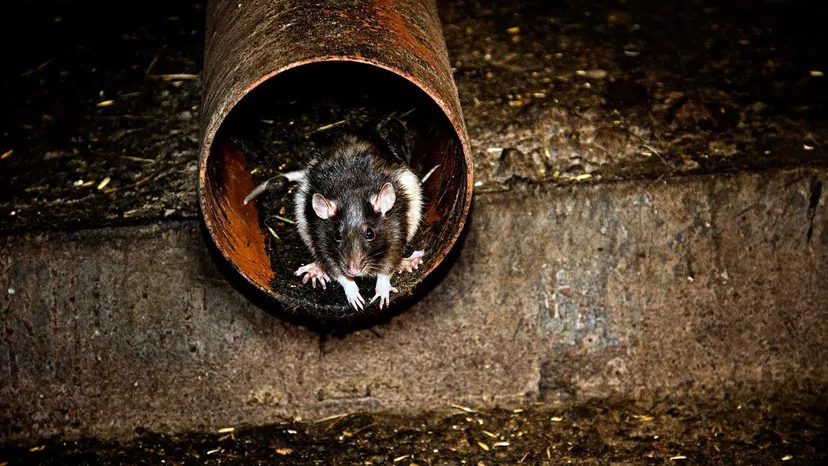
The sight of a rat running across your yard or, worse, dragging one through the cat’s mouth, is enough to make anyone’s stomach turn. If you see them near electrical wires or in the pool, you need to act now. But these rodents are often sneaky. You might not see them at all. Look for burrows in the compost pile. Listen for rustling in the attic as dusk falls. Find droppings that look like mouse poop but are noticeably larger.
These aren’t just aesthetic issues. Rats chew through wood and insulation. They gnaw on electrical wiring, which can spark fires. The cleanup costs add up fast. Beyond property damage, they carry diseases like salmonellosis, ratbite fever, and typhus. You do not want these bugs in your walls.
How to Rodent Proof Your Home
Removing food sources is step one. But you also need to seal the entry points. Rats can squeeze through gaps larger than a quarter-inch. Use steel wool or sheet metal to block these holes. They cannot chew through metal. This is a simple fix that stops them from getting in.
If the problem persists, set traps. Do not use poison. When rats eat poison, they often die in inaccessible places like inside your drywall or under the floorboards. The smell of a decaying rat is horrific. It lingers for weeks. You may have to tear out walls to remove the source. Traps are safer and more humane. They keep the cleanup contained.
Identifying Termite Infestations
While rodents cause structural chaos through chewing, termites operate differently. They consume cellulose. Wood is their primary fuel. The damage is often silent until it is severe. Subterranean termites build mud tubes to travel from the soil to your home’s foundation. Look for these muddy lines on exterior walls. Drywood termites live inside the wood itself. They push out fecal pellets that look like small piles of sawdust or coffee grounds.
Why Termites Are a Silent Threat
Termites do not announce their presence with squeaks or scratches. By the time you spot swarmers flying near lights or hollow-sounding wood, the colony may have been there for years. The economic damage is staggering. They compromise the integrity of load-bearing beams. A single colony can weaken a home’s structure significantly. Unlike rats, they do not carry human diseases, but they carry the potential for catastrophic structural failure.
Prevention and Detection Strategies
Prevention requires regular inspection. Check your home’s foundation for cracks. Ensure gutters are clear to prevent moisture buildup, which attracts termites. Keep mulch away from the foundation. Use dehumidifiers in crawl spaces to keep wood dry.
If you suspect an infestation, do not wait. Call a professional inspector. They use specialized tools to detect moisture and hollow spots. Early detection saves thousands in repairs. DIY treatments often fail because they do not address the entire colony. Termites live in large, organized groups. Killing a few workers does nothing to stop the queen from laying more eggs.
The line between manageable pest control and major renovation is thin. Rats leave signs. Termites hide them. Both require immediate, informed action. Ignoring the small signs usually leads to the big problem.
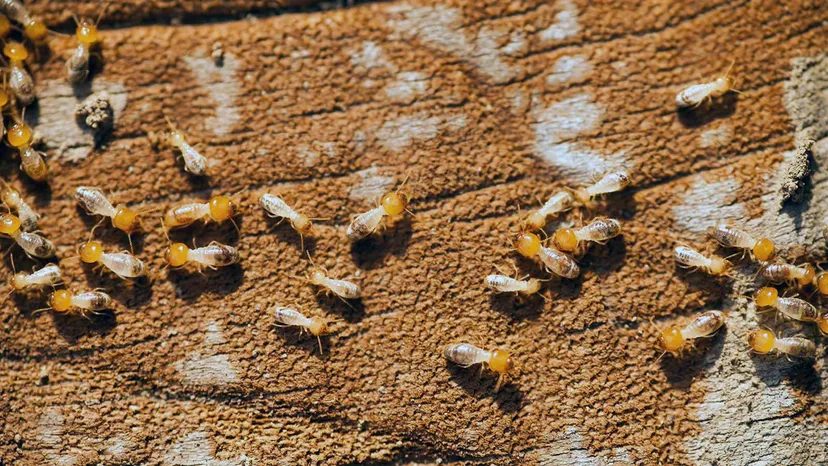
You don’t always need a magnifying glass to spot the early signs of a termite infestation. Just look for the tiny white, tan, or black bugs themselves. These pests don’t just eat the structural lumber of your home; they invade deeper. They’ll attack books on a shelf. They’ll chew through furniture. They’ll get into your food products if given the chance.
The real danger is the queen. She lays thousands of eggs in a single day. That’s how you get exponential damage. One small colony today can become a structural nightmare tomorrow.
How do you know you’re dealing with these wood-eaters instead of just old age? Look for swarms of small winged insects during the spring or fall. That’s their mating season. It’s a clear red flag. Inside the walls or in wooden beams, watch for tunneling. Look for darkening wood. Blistering surfaces are another telltale sign. If you see these things, you likely have a termite infestation.
Identifying and treating specific termite types
There are many species of termites out there. The method you use to rid your home of them depends entirely on which type you have. Subterranean termites come from the ground. Drywood termites live right inside the wood. The treatment for one isn’t always the treatment for the other.
Professional removal is typically required regardless of the species.
DIY sprays might kill the few workers you see, but they won’t touch the colony hidden in the walls or the soil. If you’ve confirmed a termite infestation, call an expert. They’ll assess the damage and choose the right chemical or baiting system.
Preventive measures for homeowners
You can’t always control the termites in your neighborhood. But you can make your home less inviting. Moisture is the common draw. Termites thrive in damp environments.
- Keep wood 12-inches above ground. This simple rule stops ground-dwelling species from climbing into your siding or deck boards.
- Properly ventilate the structure. Attics and crawl spaces need airflow. If the wood stays wet, it stays vulnerable.
When you’re building new construction or replacing old wood, select termite resistant woods. Cedar is a classic choice. Redwood works well. White oak is another durable option. These woods contain natural oils and tannins that repel the pests. It’s not a perfect shield, but it raises the bar for the bugs.
Ants
While termites eat the house, ants often just want to eat what’s in it.

Break the Colony Before It Starts
One ant is rarely a solo act. Spot one on the counter, and you are likely looking at a scout for a much larger group. They move in packs, whether they are traversing your kitchen tiles or following a trail from the yard to a single dropped crumb. Ignoring them is a gamble you do not want to take. Quick action stops a minor nuisance from becoming a structural infestation.
Start by physically removing the immediate threat.
- Move infested items outside: If containers, toys, or debris are crawling with ants, take them directly to the outdoors. Do not shake them inside.
- Wipe with soapy water: A mixture of dish soap and water kills on contact and removes the pheromone trails they use to navigate. Scrub counters, floors, and any surfaces where they have walked.
- Eliminate food sources: Sticky spills and exposed food are magnets. Clean them up thoroughly. If the trail is gone, the colony loses its direction.
But here is the reality check: killing the visible ants does nothing for the nest. You are treating the symptom, not the disease. Other ants are already looking for entry points.
To actually stop the invasion, you have to close the doors.
Seal the perimeter. Inspect your doorways, window frames, and foundation for even hairline cracks. Use caulk to fill these gaps. Ants can squeeze through spaces smaller than a dime. If you see trim that is loose or separated, fix it. Block their physical access.
Adjust your landscaping. Mulch and dense plantings close to the house provide a highway for ants to reach your walls. Keep mulch at least a foot away from the foundation. This creates a dry, exposed barrier that is less inviting for them to colonize.
If the problem persists despite these physical barriers, you need a chemical deterrent that targets the source.
Use outdoor baits strategically. Place ant baits in areas just outside the foundation, away from the house itself. These baits contain slow-acting poison that worker ants carry back to the queen. This disrupts the colony at its root. It is more effective than spraying repellents, which often just scatter the ants deeper into your walls.
Sealing cracks is not a one-time job. It is an ongoing maintenance task. Check your home’s exterior regularly, especially after severe weather that might shift siding or trim. Stay vigilant.