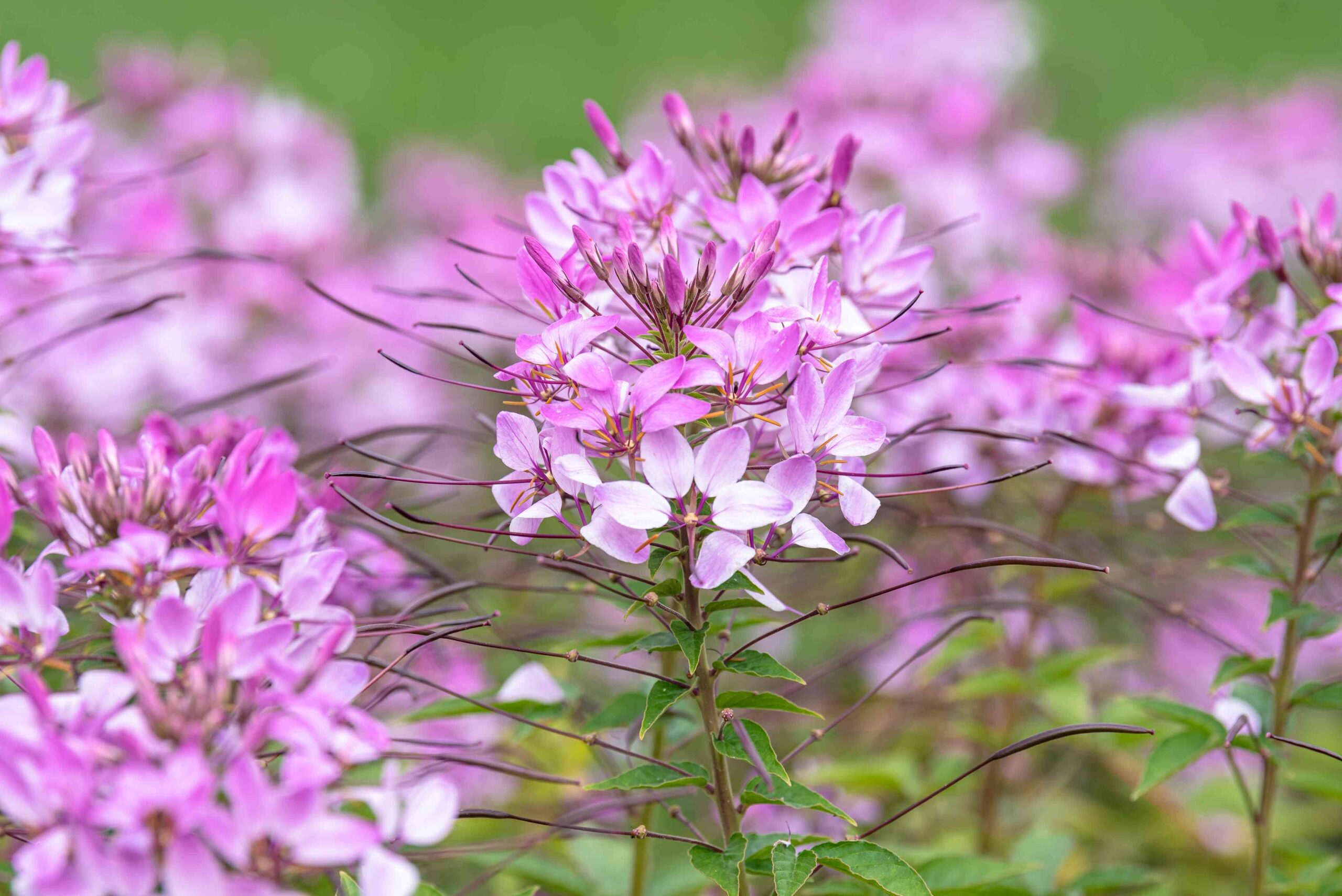
They climb. They twist. They look like spiders.
Most annuals play it safe, staying low and tidy in neat beds. Cleome doesn’t.
Standing three or four feet tall—sometimes hitting five—they force the rest of the garden to look up. Compact bedding plants are the rule, but Cleomes are the exception.
No heavy scent. That’s right, the flowers don’t smell much to us. But pollinators lose their minds for them.
Hummingbirds. Butterflies. Those eerie hummingbird moths.
They show up all summer. Drawn by the pink, purple, lavender, and white blooms that just won’t quit.
Why You Want Them (And Why You Might Not)
Here’s the trade-off.
Easy? Yes. Starts from seed, grows fast, barely needs babysitting. Put it in full sun, it stands up straight on its own. No stakes required.
Put it in the shade, though… well, it gets greedy.
It stretches. It gets leggy. It flops over. And the blooms? Scant.
They like average soil. Rich, well-drained loam is ideal, but they aren’t picky eaters.
Water is mostly a myth for established Cleome.
Drought-tolerant is an understatement. Add an inch of mulch—call it three if you want to be generous—and you barely need to water at all. Perfect for xeriscaping if you like a bit of chaos.
Temperature matters, mostly for the sake of comfort rather than survival, provided you keep them out of frost. They thrive between 75-80°F in the day and dip down to 60°F at night. Frost? Kills them dead.
Fertilizer is optional. Really.
If your soil is decent and you mulched, skip it. Nature handles it.
Pick Your Poison: Varieties Galore
There are over 100 species. Most gardeners stick with Cleome hassleriana, but the cultivars differ wildly in personality.
- Helen Campbell : Pure white flowers. Low maintenance. Boring? Maybe. Reliable? Absolutely.
- Linde Armstrong : Small. Sterile. Thornless. Grows 12 to 18 inches. If you want color without the drama (or the thorns), this is it.
- Rose Queen : Fragrant. Eye-catching. Colors range from cherry to white to purple. Watch out for the spines at the base of the leaves.
- Sparkler Blush : A bushy hybrid. White or pink flowers. Less vertical, more volume.
- Spirit™ Series : Taller plants (2-4 feet) with better branching. But they’re sticky, thorny, and somewhat unpleasant to touch. White, pink, lavender blooms, however, are undeniable.
Letting It Grow (Or Pruning It Back)
You barely touch the plant.
Light pruning, maybe. Snip dead leaves if they bother you. Remove damaged areas if they bother you.
If the seedling arrives spindly and sad, chop it back by half before planting. Shock therapy, basically. It wakes them up and pushes out new growth.
Seeds are the way. Always.
Cleomes love self-seeding, sometimes too much. Sprinkle the seeds directly into the ground once frost is gone. Wait for soil to hit 70-75°F. Light is key—don’t bury them. Sprinkle on top.
Seeds? Sprinkled on soil? It’s that easy.
Look for seedlings in ten days. Or, if you’re feeling lazy, sow them in autumn and let nature germinate them in spring.
Thin the suckers.
If they self-seed (they will), you need space. Give each plant 18 inches. Crowded Cleome is sad Cleome.
Containers and Blooms
Potted life works. Just pick compact varieties like Sparkler. Mix it with something mounding like Vincas or a trailing petunia. Full and lush, despite the weed-like reputation.
Blooming times depend on your start method.
Transplants flower early summer to first frost. From seed? You’re looking at mid-to-late June.
Sunlight is non-negotiable for blooms.
Want more flowers? Thin the seedlings again. Air circulation equals vigor equals blossoms.
The Problems
Nothing is free.
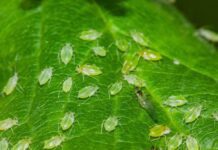
Aphids might show up. Slugs could interest themselves.
And let’s revisit the thorns. The leaf bases on some varieties have them. Sharp, sharp thorns that catch your sleeve, your skin, your conscience.
Is the visual payoff worth the snagged fabric?
For some gardeners, the tall, erratic spike of a spider flower rising above the polite, low-border petunias is the whole point. It looks wild. It grows wild. It doesn’t care about your garden club’s standards.
Sometimes you have to let the garden be a little messy to get anything interesting at all.