Americans are obsessed with hygiene. We hoard hand sanitizer like it’s going out of style. But in the country that invented hand sanitizer, we largely abandon the bidet. Seems ironic. Cleaning your bottom with water is objectively cleaner than using dry paper. It is more hygienic. But while Europe and Asia have embraced this fixture for decades, the United States remains on the sidelines. We can cope with less thorough cleaning.
The humble bidet begins
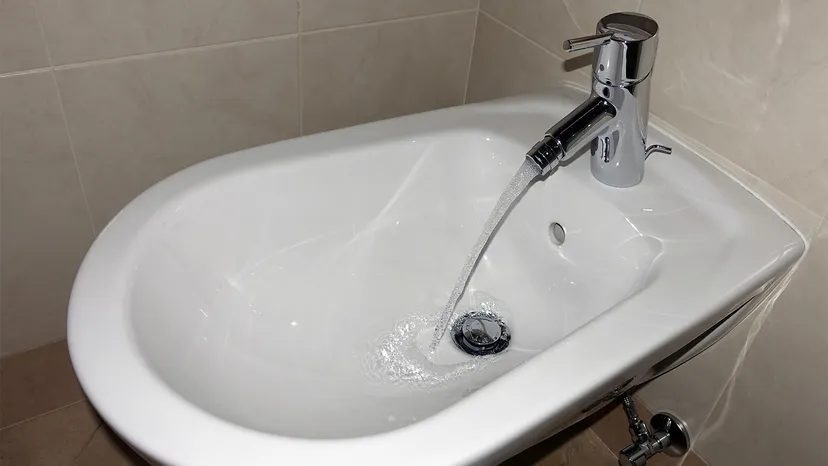
The history of the bidet is long and strange. It began in fine European homes in the 16th century. The original design was not a toilet attachment. It was a small chair or stool with a basin of water built into the seat. You used it after using your chamber pot. You straddled the device. You have thoroughly cleaned your undercarriage. The word bidet means “pony” in French. This makes sense when you think about the straddling position.
Over time, bidets evolved. They became plumbing fixtures that sat right next to the toilet. They spread around the world. They never caught on in the US. There must be a reason for this. During World War II, American soldiers visited brothels in Europe and Japan. In these establishments they saw bidets. They began to associate the device with sex work. Some thought it was used as a douching method. At the time, many believed douching was a legitimate contraceptive practice. That’s not it. This stigma remained. The modern bidet style was actually developed in the United States. But it had to be exported to become truly great.
A Brave New Bidet
A traditional bidet is difficult to use. It takes up space. Installation requires extensive renovation. You need a few thousand dollars for plumbing and labor. Most Americans only see these when vacationing in Europe. They are still sold, but rarely.
A modern option is a bidet seat. This is an add-on that replaces the existing toilet seat. Water splashes on your butt. The water can be warm or cold, depending on the price. It also has a front washing system for women’s hygiene. This option is cheaper. You can install a good unit yourself for under $400. Basic models are even cheaper. It is also more accessible. No need to get up and go to a separate bowl. You stay in the bathroom. You press a button.
“The old-style bidet—the style that’s a separate unit that sits next to the toilet—is more difficult to handle, costs a few thousand dollars to install, and takes up a lot of space,” says Sarah Shearer, owner of Clear Water Bidets in Sequim, Washington.
The first rudimentary bidet attachment was developed in the United States in the 1920s. It did not take off here. It was well received in Asia. In Japan, bidet attachments can be found in 80 percent of all households and public toilets. Most of them are manufactured in South Korea and China.
Steps to use a bidet
Using a bidet is not difficult. It can seem scary at first. But it’s easy. The process depends on the type of bidet you have.
-
Use the toilet as usual to urinate or defecate. You can wipe with paper first. Or leave out the paper altogether. This is a personal preference.
-
Locate the controls. There are three basic types. Separate devices require you to straddle the basin. You can face the jet or turn away from it. Devices mounted on the seat have controls on the side or on the wall. Wall-mounted devices work like a hand shower.
-
Dry yourself. Some models have a air dryer. You activate it with the controls. You can use the air dryer alone. Or combine it with some toilet paper. This function is missing in other models. You need paper to dry it.
The technology exists. The effort is manageable. The health benefits are obvious. The only obstacle is the historical stigma of wartime confusion. Once you have tried a bidet seat, the question of buying it is no longer a question. why you waited so long. The water pressure alone will change your perspective.
Who really needs a bidet?
The bidet does not protect against pregnancy or sexually transmitted diseases. But for people with certain illnesses, it’s a lifeline.
Shearer noted that US clinics have the highest number of patients with Crohn’s disease, colitis, colon cancer and irritable bowel syndrome. These symptoms make everyday life difficult. A bidet seat can relieve this pain. It is often recommended by general practitioners, gynecologists and occupational therapists.
The consequences can be huge. Some patients who have one or two urinary tract infections (UTIs) a month report having them as few as three to four times a year after changing their dressings. This is a huge improvement.
Aging also changes the way we clean ourselves. Arthritis makes it almost impossible to bend or move towels. For older adults, being able to use the bathroom independently is often the key to staying at home longer. In younger people, UTIs may be manageable, but in older patients, hospitalization may be required.
While little research has been done on the direct link of bidet seats to reducing UTIs, hormonal changes during and after menopause can alter bacterial growth. Many doctors still recommend using a bidet for hygiene reasons. With age, it becomes more difficult to stay clean. Ease of use is important.
潜在的健康风险
这并不都是积极的。 坐浴盆可以帮助治疗痔疮和肛裂。 但并非总是如此。
初步研究表明,一种类型的肛裂只有在患者停止使用坐浴盆后才会停止愈合。 2011年,日本的一项研究提出了不同的观点。 习惯使用温水坐浴盆座椅可能会破坏阴道微生物群。 这种不平衡会导致更多的细菌感染。
卫生并不总是与健康直接相关。 有时,过多的清洁会扰乱身体的自然平衡。
环境影响
坐浴盆可能是拯救地球最安静的方式。
日本资源匮乏。 空间有限。 人们不能像美国人一样每天洗澡。 然而,对清洁的文化需求仍然存在。 坐浴盆座椅解决了这个问题,而且不浪费水。 淋浴比短暂冲洗消耗的水要多得多。
真正的节省来自卫生纸。 美国使用了世界上约 20% 的卫生纸。 美国人口仅占全球的 4.5%。 这是一个不成比例的数额。
美国近 90% 的卫生纸来自加拿大的原始北方森林。 这些森林覆盖了该国 60% 的面积。 它们过滤我们呼吸的空气。 他们还提供纸浆。 美国拒绝使用坐浴盆意味着这些森林被大量砍伐。
如果目标是保护环境,那么坐浴盆就有意义。 它减少了对纸张的需求。 它保护森林。 它降低了生产和运输的碳足迹。
历史背景
技术很旧了。 据报道,玛丽·安托瓦内特在行刑前在潮湿、恶臭的牢房里等待时使用了坐浴盆。 该设备的历史比大多数现代便利设施的历史都要长。 它现在在美国等地已经失宠了。