The calendar flips to September, and the French landscape shifts. Golden leaves appear on branches, drifting down to carpet lawns and garden beds. It’s tempting. You grab a rake. You want that pristine, manicured look before the chill sets in. You think you’re doing the right thing.
Stop.
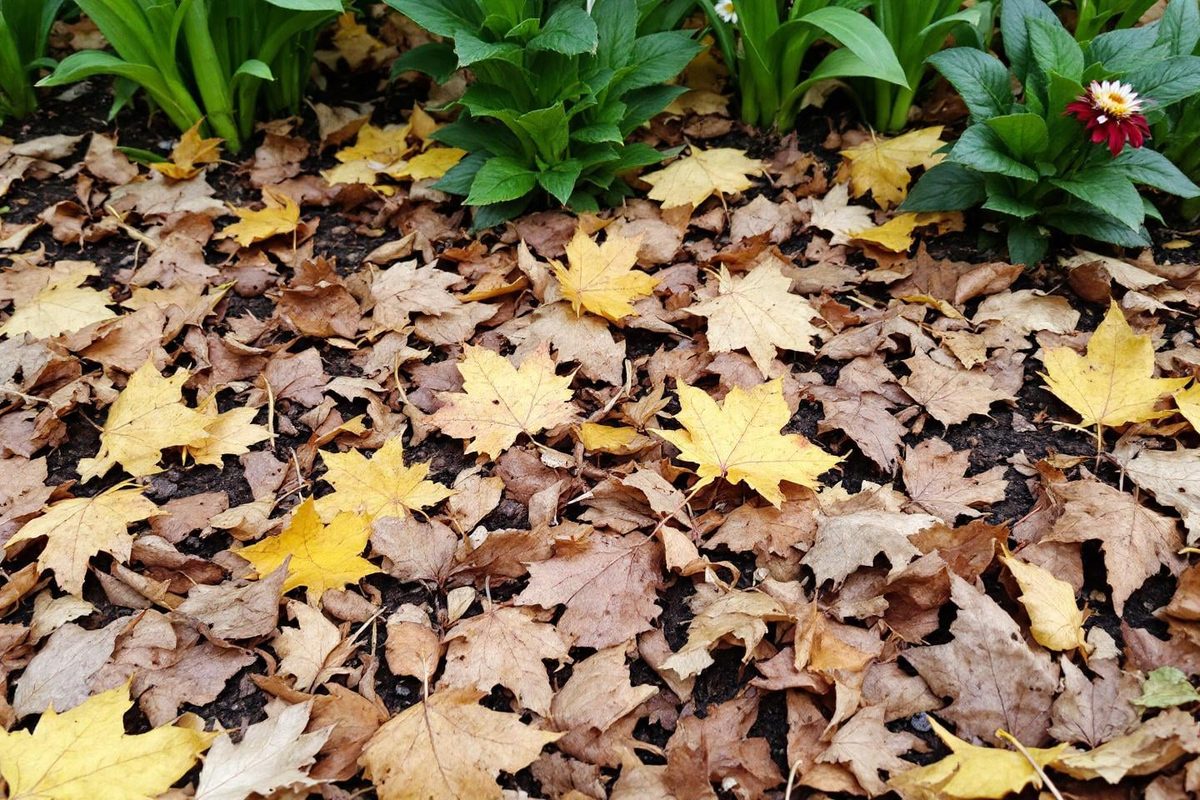
That urge to clear every blade of grass is likely hurting your garden. There is a simple, often overlooked move that can transform your landscaping, enrich your soil, and slash your watering needs: let the first leaves fall. Leave them there. Let September be the month you boost your borders instead of clearing them.
The Case for Waiting: Nature’s Schedule
When the first leaves drop, the temptation to sweep them away is strong. You want to enjoy your terrace. You want a clean lawn edge. But leaf drop isn’t an accident. It’s a signal. Nature is organizing itself for autumn.
Leaving these leaves in place provides natural protection. It shields the soil from the last harsh rays of September sun. It limits drying out. Raking them too early removes a precious ally. You are robbing the earth of insulation.
How the Soil Prepares for Winter
In many landscaped gardens, dead leaves are not waste. They are a critical resource. They create a ground cover. This slows evaporation. It fosters micro-organisms. These microbes break down organic matter into rich humus.
That humus helps perennials, flower borders, and even lawns survive a dry autumn or early frosts. Ignoring this cycle saves you nothing but a few weeks of visual tidiness. In fact, it costs you fertility. You are ignoring a free asset.
Smart Mulching: A Step-by-Step Approach
Mulching with fallen leaves requires no fancy equipment. No heavy machinery. Just a few deliberate steps.
- Leave them where they land. Let them settle on borders, around perennials, shrubs, and at the lawn edge.
- Break up clumps. Spread them lightly by hand. Thick piles can smother young plants.
- Mix in other greens. If needed, add a thin layer of dry grass clippings or wood chips. This creates a more uniform mulch.
- Watch out for tough leaves. Avoid using thick, waxy leaves like laurel or plane tree alone. They degrade slowly. Mix them with softer debris.
The goal isn’t to bury the whole garden. It’s to boost strategic zones.
Which Areas Benefit Most?
Some parts of the garden gain immediate value from this natural mulch.
- Flower beds. Especially those with plants sensitive to late-summer drought.
- Hedges and borders. Mixed shrub and perennial borders thrive on the added organic matter.
- Base of young trees. They need soil freshness and biological activity.
- Shady borders. Areas near walls where soil dries out quickly.
Slopes also benefit. Leaf mulch reduces runoff during early autumn rains. It keeps water in the ground longer.
Boosted Soil, Lower Water Needs
A light layer of leaves actually enriches the soil. As they decompose, they release essential minerals. They stimulate soil fauna. Earthworms come to the surface to feed. They aerate the soil. This boosts natural fertility.
Combine this with a natural garden design. The result is a visible boost for borders and lawns by the first rains.
The biggest win is water conservation. Mulching significantly reduces irrigation needs. September weather in France is unpredictable. Some showers. Still some heat. Mulch retains moisture. It protects roots from temperature swings. You can easily skip several watering sessions each month.
This is the solution for a garden that doesn’t need excessive watering through autumn. It is a practical tip for anyone looking to reduce water consumption, even during dry spells.
The leaves are not trash. They are insulation. They are food. They are water retention.
Next time you see that first gold leaf drift down, put the rake down. Walk away. Let the garden do its work. You will see the difference when the first cold wind hits.
Don’t bury your plants under a suffocating blanket
It is easy to think that more leaves equal better insulation, but that logic fails when the layer gets too thick. If you are raking broad-leafed trees into a deep mat, especially when the weather turns damp, you create a anaerobic zone. The result is rot. You suffocate the very roots you are trying to protect.
Keep the layer manageable. If you see young shoots struggling, lift the debris. Check for clumps that trap too much moisture. Remove them before they turn into a moldy mess.
There is another trap that catches many DIYers: using leaves from sick plants. If your maple has anthracnose or your roses have black spot, do not compost that foliage into your garden bed. You are essentially broadcasting a disease vector back into your soil. Only use material from healthy sources.
Also, be gentle with your newbies. Avoid piling mulch directly around delicate seedlings or recently installed perennials that haven’t established their root systems yet. Stick to robust, established borders. Give the fragile ones space to breathe.
Mix it up for faster decomposition
Raw leaves break down slowly. To speed up the process and improve the structure of the mix, combine them with other organic matter. This isn’t just about volume; it is about chemistry.
Dry lawn clippings are a great partner. They add nitrogen, helping to balance the carbon-heavy leaves. But the clippings must be dry. Wet grass mixed with wet leaves creates a slimy, anaerobic sludge that smells terrible and heats up dangerously.
For a slower release of nutrients, add wood chips or BRF (Brushwood Mulch). This woody material decomposes gradually, improving soil structure over years rather than months. You can also mix in leftover vegetable garden scraps from the edges of your beds. This combination supports intense biological activity. The result is a self-sustaining ecosystem that holds water efficiently and requires less intervention.
What you can expect by next spring
The changes aren’t always immediate, but the long-term payoff is stark. Within weeks, you will notice the soil texture changing. It becomes softer. It retains moisture better.
When autumn planting season arrives, your beds are ready. Plants establish faster because the soil is warm and moist. Your flowers stay vibrant longer into the season. You water less. Even the adjacent lawn looks thirstier by comparison because the mulched beds are holding onto rainwater effectively.
By the time you return in spring with your rake, the transformation is clear. The hard crust of summer is gone. The soil is dark, crumbly, and teeming with earthworms. It is alive.
Rethink the “clean” garden
We have been trained to believe a garden must look immaculate to be healthy. September offers a chance to drop that habit. Leaving leaves isn’t laziness. It is a strategic move for biodiversity and soil health.
This approach reduces your workload in the long run. You spend less time watering. You spend less time amending soil with synthetic fertilizers. You let nature do the heavy lifting.
Think about the design of your landscape through the seasons. The fallen leaves add texture and color in autumn, then transform into food for the soil in winter. It is a closed loop.
Stop fighting the cycle. Use the leaves to build a resilient garden that requires less effort and looks better for longer.