March is here. The bitter cold of late winter has finally subsided. You can feel it in the air. The transition to spring is progressing. For homeowners using pellet stoves, this transition is more than just a calendar change. This is a tactical opportunity.
Optimize your device now. You can lower your fuel costs before the season officially ends. This way you get the most out of your current settings. Smart adjustments can mean big savings. Here is how to handle your pellet stove during this in-between time.
Tuning for the Thaw
Your stove was likely cranked up for January and February. It was fighting sub-zero nights. Now the outside temperature is rising fast. The demand for heat drops. If you keep burning at the same high rate, you’re wasting money.
Reduce the heat output first. Most modern pellet stoves allow you to adjust the burning speed. Dial it back. Maximum power is not needed when the days are mild. As the burning rate decreases, the consumption of pellets decreases. It also keeps the firebox clean.
Check the thermostat settings. If your stove uses a room thermostat, ensure it is not placed in a drafty spot or near a heat source. This can lead to inaccurate readings. The stove might cycle on and off too frequently. This inefficiency wastes energy. Place it on an interior wall, away from doors and windows.
Fuel quality is now more important than ever
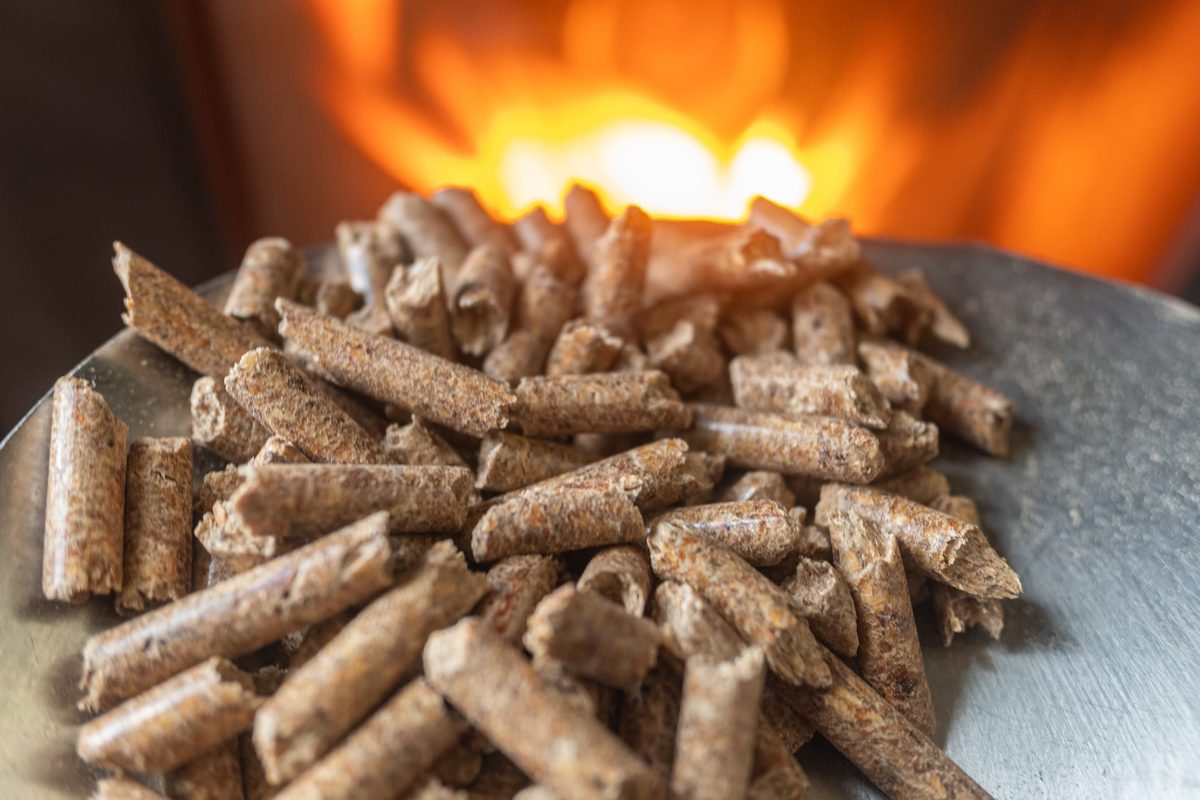
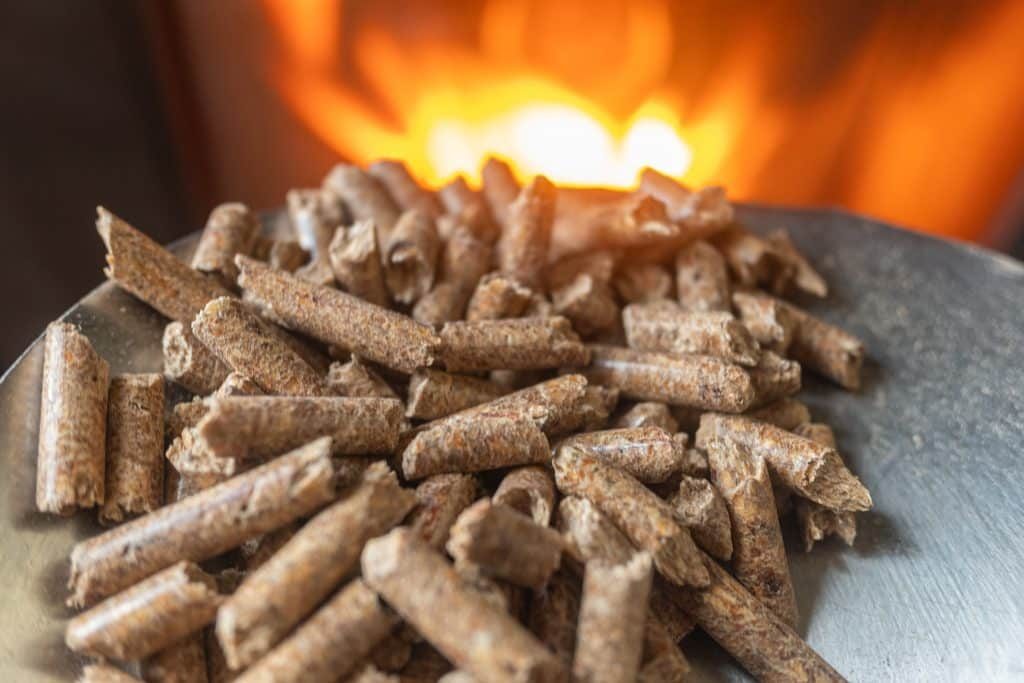
As the weather warms up, the type of pellet you use becomes important. Buying cheap, dusty pellets in bulk can seem like a bargain. But more ash is produced. They clog the burn pot. This forces the stove to work harder to maintain heat.
If you haven’t already, switch to high-quality pellets. Look for certifications like ENplus or PFI. These standards guarantee low ash content and high energy density. Less ash means less maintenance. Cleaning takes less time. The stove runs smoother.
“Quality pellets are more than a luxury; they are a necessity for efficient operation, especially when fine-tuning your stove for milder weather.”
Cleaning for optimal airflow
This is the part that most people skip. However, this is very important for efficiency. As the temperature rises, the amount of fuel burned may decrease. This changes the dynamics of the air flow in the stove. Residue can accumulate in the exhaust pipe.
Vacuum the burn pot. Remove any remaining pellets or ash. Check the air intake filters. Clean with a soft brush or compressed air. A clogged filter can restrict oxygen. The stove cannot burn efficiently. As a result, incomplete combustion occurs. heat is lost. More smoke is produced.
Inspect the glass door. A clean glass allows you to monitor the flame. Dirty glass prevents heat from entering the room. Use a special pellet stove cleaner or a damp cloth lightly moistened with ash. Do not use scouring pads. They scratch the glass. Scratches can weaken the seal and reduce safety.
Understanding Your Stove’s Modes
Many pellet stoves have an eco mode or sleep mode. These will be useful in March. The speed of the fan and the feed rate of the pellets are reduced. This maintains a gentle heat without burning the fuel too quickly. Test these modes. Find one that will keep your home comfortable without overheating.
If your oven has an outdoor reset feature, consider using it. This technology adjusts the indoor temperature based on the weather outside.
Adjust the schedule of the pellet stove for March
March is a difficult month for heating. The days are getting longer. The sun climbs higher. At night, the mercury stops falling and starts rising. It’s not summer, but it’s definitely not winter either.
Weather changes are an opportunity to reduce costs. The pellet stove does not have to be used at full power from morning to night. The most important thing is to change when you use it.
Most modern pellet stoves have a built-in programmer. If yours is one of those, stop letting it run on autopilot. See settings. Shift the heating windows. Only turn it on if your home really needs heat.
Usually this means focusing on the coldest part of the day. early in the morning. Late at night. At noon, let the sun’s passive heat do its job. This simple adjustment can significantly reduce pellet consumption and keep your living space comfortable.
Keep the machine clean
A dirty stove is a wasteful stove.
If dust accumulates on the firepot or the air ducts is blocked by dust, the stove cannot breathe. It is difficult to burn efficiently. You end up using more pellets to get the same amount of heat. Even worse, a blockage can cause the stove to shut down.
Make regular maintenance a habit. It doesn’t have to be complicated.
- Empty the ash pan. ** Do this before the ash pan is full. A thick layer of ash insulates and prevents heat from radiating into the room.
– Dust the air ducts. ** Vacuum the vents. Good ventilation is essential for combustion. - **Check the burner. ** Look for clinker or debris. A clean burner burns cleaner and hotter.
It’s not just about efficiency. It’s about longevity. A properly maintained stove will last a long time. There will be fewer breakdowns. You can avoid expensive repairs.
Use the sun for free
Don’t fight the March weather. Use it.
The sunlight has gotten stronger. It pours energy through your windows. If you keep your curtains closed all day, you’re throwing that free heat away. Open them. Allow light to reach the floors and furniture. These materials absorb heat and release it slowly as the sun sets.
If you have south-facing windows, make this a rule. Open the blinds as soon as the sun rises. Be sure to close it tightly before sunset to keep the heat inside. This is a passive solar strategy that requires no fuel.
Quality is important
Not all pellets are created equal.
Cheaper pellets may save you money at the store, but they cost more in the long run. There is often too much bark, dust and moisture. This can cause poor combustion. You get less heat per bag. You get more ash. You can clean more often.
Use pellets certified by ENplus or similar quality standards in your area. High-quality pellets burn hotter and cleaner. Waste is kept to a minimum. This means better performance and less maintenance.
Store correctly
Pellets are made from compressed wood. They like moisture. When it absorbs water, it expands and decomposes, losing its heat value. Swollen pellets cannot be properly fed into the stove. Wet pellets do not burn well.
Store the stock in a dry place. As long as your basement is completely dry, you should be fine. Attics can be risky if they get humid. Use an airtight container or special waterproof bag. Do not leave the bag on the concrete floor. Use pallets or racks to keep it off the floor and damp walls.
Small habits, big savings
The outside temperature cannot be controlled. However, you can control your home environment.
Wear a sweater. Use a blanket. It’s obvious, but when it’s cold, we forget it. A low thermostat setting can shorten the stove’s operating time.
Keep the doors of rooms you are not using closed. Empty rooms do not need to be heated. By limiting the heating space, the load on the stove is reduced.
These actions add up. Shortens the operating time of the stove. Reduce the use of pellets.
March is the perfect testing ground. Change your schedule. Clean the equipment. Trust the sun. Make your pellet bag last longer. If you do it right, your wallet will thank you when the heating bills comes.