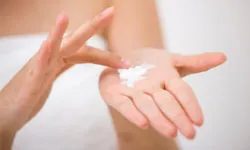
We buy expensive creams to keep our hands looking young. We rub them in, hoping for supple skin. Then we touch a white shirt, a leather sofa, or a wooden table. Suddenly, that nice hand lotion is a grease stain that refuses to leave.
It happens. Fast.
The problem isn’t just the oil. It’s the mix of emollients and waxes that bond to surfaces. You can’t just wipe it off. You have to break the bond.
Here is exactly how to kill those stains before they set, based on what you touched.
Delicate Fabrics: Wool, Silk, Rayon, Acetate
These fabrics are fragile. They shrink. They water-spot. They hate aggression.
Do not scrub. Do not use hot water.
- Use a dry-cleaning solvent. Pick up a bottle of K2r Spot Lifter or Afta Cleaning Fluid at the hardware store. Avoid acetate blends with this specific solvent; stick to the general dry-cleaning fluid for those.
- Sponge the stain. Take a clean white cloth. Dip it in the solvent. Gently sponge the stain, working from the outside edge inward. This prevents the grease from spreading into clean fabric.
- The absorbent pad trick. This is the secret step. Take a fresh white cloth or paper towel. Dampen it with a dry spotter (see recipe below) and lay it over the stain. The stain will wick out of the fabric and into the pad.
- Change the pad. As soon as the pad picks up brown or yellow grease, move to a clean section. Repeat until no more stain transfers.
- Flush it. Once the stain is gone, flush the area with more liquid dry-cleaning solvent to remove the chemical residue. Let it air dry.
If the stain fights back, tamp it with a soft brush. If it’s still there, use a wet spotter with a few drops of ammonia. Warning: Never use ammonia on silk or wool. It dissolves the protein.
Tough Fabrics: Cotton, Polyester, Nylon, Acrylic
These materials can take a beating. They are resilient. They want to be washed.
- Scrape the excess. Use a dull knife or spoon to lift off any thick, caked-on lotion. Don’t push it deeper. Scrape it away.
- Pre-soak with enzymes. Lotion has oils and proteins. Enzyme pre-soaks break those down. Apply it to the spot. Follow the bottle instructions. Let it sit for 30 minutes.
- Flush and wash. Rinse the spot with water. Launder the garment immediately in the washing machine. If you can’t wash it right now, let it air dry until you can. Do not put it in the dryer until the stain is gone. Heat sets oil stains permanently.
Hard Surfaces: Glass, Tile, Metal, Plastic
Countertops, sinks, and glass tables are easy. They don’t absorb. They just hold the grease on top.
- Wipe with sudsy water. Mix warm water with a little dish soap. Wipe the area clean.
- Rinse. Wipe with a clean damp cloth to remove soap residue.
- Dry. Buff it dry with a microfiber cloth. No streaks. No smears.
If you hit vinyl flooring or wallcovering, the same rule applies. Wipe, rinse, dry.
Porous Stone: Concrete, Brick, Bluestone
These materials soak up grease like a sponge. You have to pull it out.
- Absorb the surface oil. Wipe up the obvious stuff.
- Scrub with washing soda. Do not use regular soap. It leaves a film. Use washing soda or a heavy-duty detergent mixed with water.
- Scrub hard. Use a soft-bristled brush. Agitate the paste into the pores.
- Rinse thoroughly. Flush with clear water until the water runs clear. Let it dry completely.
Leather and Suede
This is the high-stakes category. Ruin leather, and you’re looking at a professional restorer’s invoice.
- Make suds. Mix mild soap with lukewarm water. Swirl it until you have a mountain of foam.
- Use only the foam. Dip a sponge in the suds. Wipe the leather. The foam lifts the dirt without soaking the hide.
- Dry it. Wipe with a dry cloth.
- Check for residue. If it’s still sticky, test a dry-cleaning solvent on a hidden spot first. If it doesn’t damage the color, dab the stain.
- Condition. Leather dries out when you clean it. Apply a leather conditioner or saddle soap to restore the oils you just cleaned away.
Wood Furniture
Wood is porous. It finishes with varnish or wax. Grease sits under the finish if you aren’t careful.
- Make suds. Dishwashing detergent in hot water. Get the foam.
- Apply foam only. Wipe the surface with the sudsy foam. Avoid saturating the wood.
- Rinse. Wipe with a damp cloth.
- Polish. Do this step quickly. Once the wood is clean, polish or wax it to restore the protective layer.
DIY: How to Make Wet and Dry Spotters
You don’t need to buy expensive industrial chemicals. You can mix these at home.
Dry Spotter
This helps pull grease out of dry-clean-only fabrics.
* 1 part coconut oil
* 8 parts liquid dry-cleaning solvent
Mix it. Store it in a tightly capped bottle. The solvent evaporates fast. Coconut oil helps it cling. Mineral oil works too, but coconut oil is better.
Caution: Dry-cleaning solvents are flammable. Keep them away from heat.
Wet Spotter
This is for water-safe fabrics.
* 1 part glycerine
* 1 part white dishwashing detergent
* 8 parts water
Shake it well. Keep it in a plastic squeeze bottle. The glycerine prevents the stain from wicking back up into the fabric as it dries.
The Bottom Line
Hand lotion is not just moisturizer. It’s a chemical mixture that wants to stay put. Treat it like a grease stain. Act fast. Use the right solvent for the material. Don’t use heat until the stain is gone.
Your hands look great. Your furniture can too.