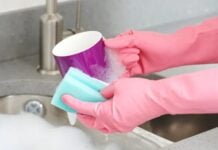
You know that look. The bottom of your favorite ceramic mug has turned that unappealing yellow-brown color. Soaking it in hot water did nothing. The dishwasher ran its full cycle, and the stains remained. You are tempted to grab a harsh scrubbing pad and start attacking the glaze, but that is a mistake. Rough materials can scratch the surface, making the discoloration even harder to remove later.
You do not need expensive chemicals to fix this. You likely have the ingredients in your kitchen right now. The goal is to lift the tannins and oils that bond to the ceramic without damaging your daily cup.
Why Standard Dishwasher Cycles Fail to Remove Tannins
Most household dishwashers run at temperatures high enough to kill bacteria but not aggressive enough to break down organic compounds like tannins. Coffee and tea leave behind complex residues. Over time, these residues oxidize and darken. When water sits in the cup, the concentration increases. This is why the bottom always looks worse than the sides.
If you rely solely on the machine, you are accepting the status quo. For deep-set stains, you need a manual intervention that targets the chemical structure of the deposit.
The Bicarbonate of Soda and Vinegar Method
This is the most effective DIY solution for heavy buildup. It works through a chemical reaction that loosens the grip of the stain.
- Fill the mug with warm water.
- Add two tablespoons of bicarbonate of soda (baking soda).
- Add one tablespoon of white vinegar.
- Swirl the mixture to combine.
- Let it sit for at least two hours. For severe stains, leave it overnight.
- Pour out the liquid.
- Use a soft sponge or a cloth to wipe the interior.
The fizzing reaction helps break down the crust. Do not use a metal scouring pad here. The abrasion from baking soda is usually enough to lift the stain once it has been softened. If a small spot remains, apply a paste of baking soda and a few drops of water directly to the area. Rub gently in a circular motion. Rinse thoroughly with hot water to remove any lingering soap taste.
Using Hydrogen Peroxide for Stubborn Discoloration
If vinegar and soda are not enough, the stain may be deeply embedded in the glaze. Hydrogen peroxide is a gentle oxidizer that can brighten stained ceramics. It is safer than chlorine bleach for food-contact surfaces.
- Mix one part hydrogen peroxide with one part warm water.
- Soak the mug for 30 minutes.
- Check the stain. If it has lightened, rinse and dry.
- If the stain persists, repeat the process.
Do not mix hydrogen peroxide with other cleaners. It can create harmful fumes or reduce its efficacy. Keep the solution away from your eyes and skin. Wear rubber gloves if you have sensitive skin.
The Dryer Sheet Trick for Light Stains
For maintenance between deep cleans, you can use a dryer sheet. The softening agents help break down light film.
- Place a single dryer sheet in the empty mug.
- Fill with hot
How to remove stubborn stains from your mug using everyday household items
If the first methods didn’t clear those dark rings, it’s time to reach for the heavy hitters. You don’t need professional chemicals. You need items already sitting in your bathroom cabinet or pantry.
Toothpaste is a surprising fix for yellow stains on ceramic or glass mugs. It’s abrasive enough to lift grime without scratching the glaze, especially if you pick a whitening formula.
Grab an old toothbrush. Squeeze a dollop of toothpaste onto the bristles. Rub the stained area in small circles. Add a splash of water to create foam, scrub again, and rinse. If the stain is deeply set, mix a teaspoon of baking soda into the paste before scrubbing. That combination cuts through baked-on coffee residue surprisingly well.
Why lemon juice works on mineral deposits
Citric acid dissolves limescale and old tea tannins without the harshness of industrial cleaners. It’s also a mild disinfectant.
Pour the juice of one lemon directly into your mug. Add hot water. Let it sit for a few minutes. The acid loosens the grime. Then, take the cut half of the lemon and scrub the interior walls. Rinse thoroughly. For persistent coffee or tea rings, mix the lemon zest with a teaspoon of baking soda and scrub again. The fizz helps lift the pigment from the surface.
How to sanitize a stained cup with bleach
Chlorine bleach is the reference standard for disinfection. Use it when you need to kill bacteria along with removing the stain.
Fill the mug with hot water. Add one teaspoon of bleach. Let it soak for 30 minutes. This is the critical step. The chlorine needs time to break down the organic matter. After soaking, scrub the mug under warm water. Finish by washing it with regular dish soap to remove any chemical residue. Rinse until the water runs clear. Never use bleach on colored plastics or untreated wood.
White vinegar: the cheap limescale killer
White vinegar costs almost nothing. It fights both dirt and mineral buildup. It’s also a natural repellent against some bacteria.
Heat a small amount of white vinegar. Pour it into the mug. Let it sit for 15 minutes. The acid reacts with the calcium carbonate in limescale, turning it into soluble salts. Scrub the mug under warm water. If faint rings remain, apply a little baking soda to the damp surface and rub gently. The reaction neutralizes the acid and scrubs off the last traces.
Using clay bars for gentle polishing
Clay bars are common in automotive detailing, but they work wonders on household ceramics. They are ecological, non-abrasive, and won’t scratch enamel.
Take a small amount of the clay. Wrap it in a soft cloth. Rub the stained area in circular motions. The clay picks up the dirt and old finish. It’s a gentle alternative to scouring pads. If you have a glazed mug, this is one of the safest methods to restore shine without damaging the surface.
Removing stains from melamine mugs
Melamine is a thermosetting plastic. It’s tough, but stains soak into the porous surface. Regular washing often fails here.
You need heat and salt. Boil 500 ml of water in a small saucepan. Add 5 tablespoons of coarse salt. Stir in a few drops of dish soap. Submerge your melamine mug in the solution. Let it sit until the water cools or the stain lifts. The salt helps break down the bond between the pigment and the resin. Rinse with clear water. This method is specific to plastic resins; don’t use it on glass or porcelain.
Baking soda and dish soap for ceramic care
Ceramic is porous. Stains get trapped in the microscopic holes. A thick paste works better than liquid soap here.
Mix baking soda and dish soap into a thick, paste-like consistency. Apply it directly to the stain. Let it sit for a few hours. The baking soda acts as a mild abrasive, while the soap cuts through the grease. Scrub gently with a non-abrasive sponge under hot water. Avoid steel wool. It will scratch the glaze and make future stains worse.
The lazy method: effervescent tablets
If you have zero time to scrub, use effervescent tablets. You can find these in the dishwashing aisle of any supermarket. They are designed to clean dishwashers, but they work on individual mugs.
Fill the mug with hot water. Drop in one tablet. The bubbles lift the grime from the surface without friction. Wait 5 minutes. Swirl the water. Pour it out. Wash the mug with a little dish soap to remove any residue. It’s the least effort option, but it requires you to have the tablets on hand.
Which of these are you likely to try first? The toothpaste or the vinegar? Both are in almost every kitchen. The bleach method is stronger, but requires more caution. The melamine trick is niche, but essential if you have those tough plastic cups. Start with the gentlest option. Escalate only if the stain survives.