


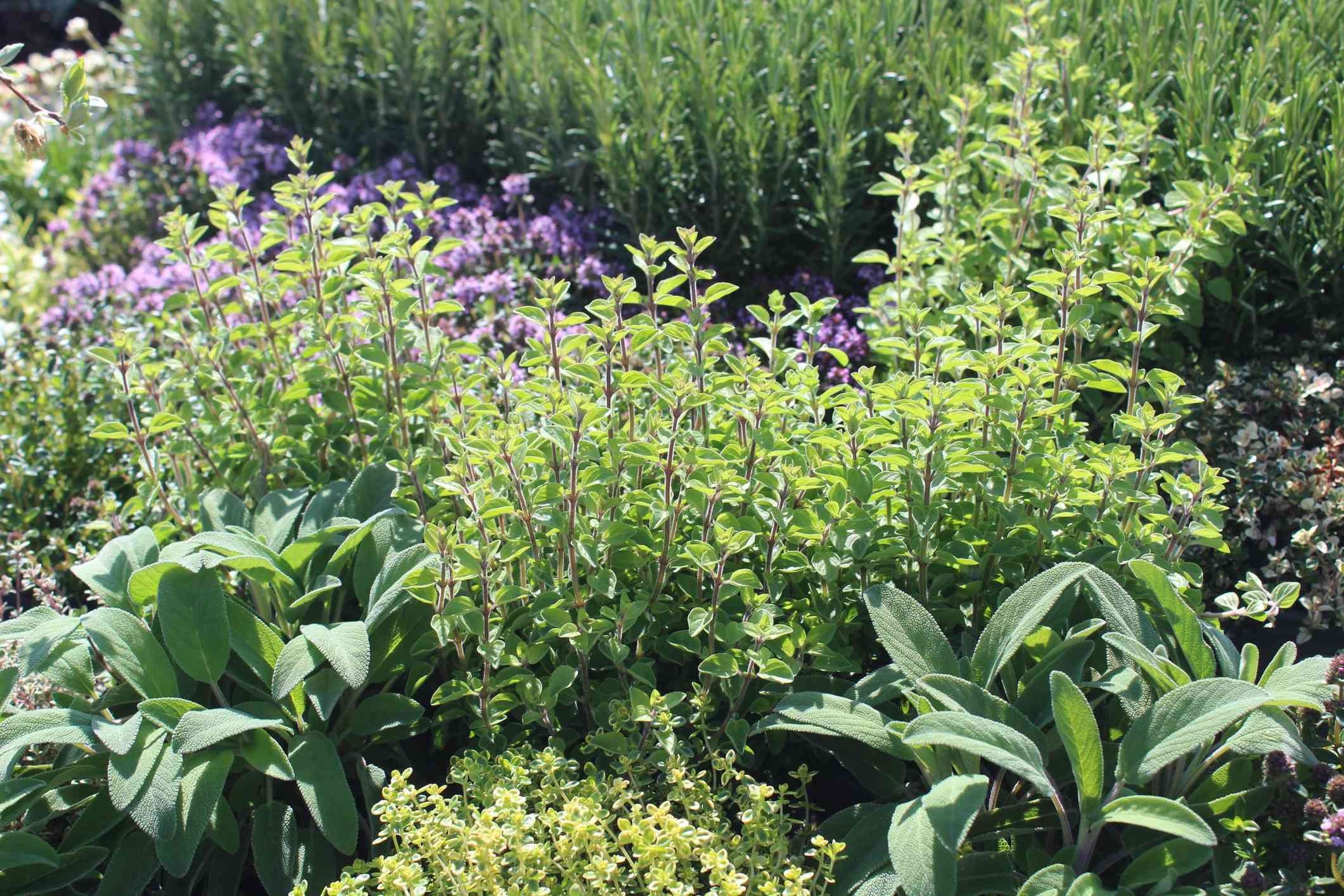
Sage is more than just a culinary staple. It is a strategic asset in the vegetable patch. This perennial herb does heavy lifting for neighboring crops. It deters pests. It boosts pollination. And it tolerates conditions that would choke out softer plants.
Here is how to use sage as a biological shield for your garden.
Why Sage Works as a Protector
Most companion planting implies a two-way street. You help them; they help you. Sage is different. The benefits flow primarily in one direction. Sage protects others while staying relatively pest-free itself.
Its strong aroma acts as a confusion barrier. It masks the scent of vulnerable plants from hungry insects. It also attracts beneficial insects. Bees and butterflies love sage blossoms. They pollinate your crops and eat pests.
There are two types of good neighbors:
- The Protected: Plants that suffer from specific pests sage repels.
- The Compatible: Plants with identical light, water, and soil needs.
Planting the wrong neighbors hurts sage. Too much shade kills it. Too much competition for nutrients stunts it. But get the mix right, and your garden thrives.
Cruciferous Crops: The Brassica Shield
Brassicas are hungry, tender, and plagued by pests. Sage changes that equation. The camphor in sage leaves is the key. It repels insects looking for a feast.
Arugula
Black flea beetles treat arugula like an all-you-can-eat buffet. The damage is immediate and destructive. Sage nearby disrupts the beetles’ search patterns. Your leaves stay whole.
Kale
Kale falls hard to cabbage loopers and cabbageworms. These larvae shred foliage. Sage’s potent smell tells pests to look elsewhere. It is a natural deterrent that requires zero chemicals.
Radishes
Flea beetles eat radish leaves. They do not eat the bulbs. But if the foliage is decimated, root growth stops. Sage keeps the beetles away. The roots stay plump and the leaves stay intact.
Broccoli
Broccoli attracts cabbage moths. Those moths lay eggs. Those eggs hatch into worms. Those worms destroy the head. Sage discourages the moths from landing in the first place. Fewer eggs means a harvestable crop.
Brussels Sprouts
These are notorious victims. Cabbage worms and loopers tear them apart. Sage acts as a perimeter guard. Plant it around the edges or interspersed among the sprouts.
Cabbage
Cruciferous vegetables scream “pest paradise.” Cabbage moths are attracted in droves. Sage is arguably the top companion for cabbage. It breaks the chemical signals the moths follow.
Cauliflower
Cauliflower is finicky. It hates stress. Pests are a major source of stress. Sage reduces pest pressure, giving the cauliflower a fighting chance.
Collard Greens
Holes in collard leaves are a dead giveaway. Flea beetles, loopers, and worms are usually the culprits. Sage handles all three. One plant, multiple protections.
Bok Choy
Chinese cabbage is just another brassica to a hungry bug. Cabbage moths and flea beetles love it. Sage masks the scent and disrupts the landing.
Kohlrabi
Cool-weather crops still attract pests. Cabbage worms do not care about temperature. Fresh, green sage leaves are the best defense. Prune them often to maintain potency.
Mustard Greens
Tender leaves get riddled with holes quickly. Sage nearby acts as a repellent. It keeps the loopers and beetles at bay.
Turnip
Harvest young turnip greens? You need defense. Flea beetles target the tender leaves. Sage provides that shield. Keep the sage trimmed. Older leaves lose camphor. Fresh growth is the active ingredient.
Berries and Flavor
Sage is not limited to vegetables. It plays well with sweet crops and other herbs.
Strawberries
Sage deters insects and predators by masking the plant’s scent. But there is more. Sage blooms attract bees. More bees mean better pollination. Better pollination leads to bigger, healthier strawberries. It is a win-win.
Herb Partners in Crime
Herbs share similar needs. Sage thrives in full sun with well-draining, sandy soil. It tolerates moderate drought. Some other herbs fit this profile perfectly.
Lemon Balm
Lemon balm is a perennial like sage. It likes the sun. It likes moderate water. They coexist without fighting for resources.
Oregano
Oregano and sage are garden roommates. Both handle drought. Both love the heat. Planting them together simplifies care. You water them as one unit. You fertilize as one group.
Peppermint
Peppermint has similar soil needs. It is sun-loving and drought-tolerant. But there is a catch. Peppermint spreads like wildfire. It will choke out sage.
To manage this, plant peppermint in a container with the bottom cut off. Bury the container. This restricts horizontal root growth while allowing vertical freedom. Sage stays compact. Peppermint stays contained.
Rosemary
Rosemary and sage are classic. They are both in the mint family. They both love the sun. Once established, they ignore drought. Plant them together for an aromatic, low-maintenance herb border that looks good and grows well.
The Bottom Line
Sage is a workhorse. It does not just grow; it protects. Whether you are battling flea beetles on arugula or ensuring strawberries get pollinated, sage has a role to play.
Choose your companions carefully. Match the sunlight. Watch the water. And keep the sage trimmed for maximum pest control.
Your garden might not thank you explicitly. But the lack of holes in your kale will say enough.


