


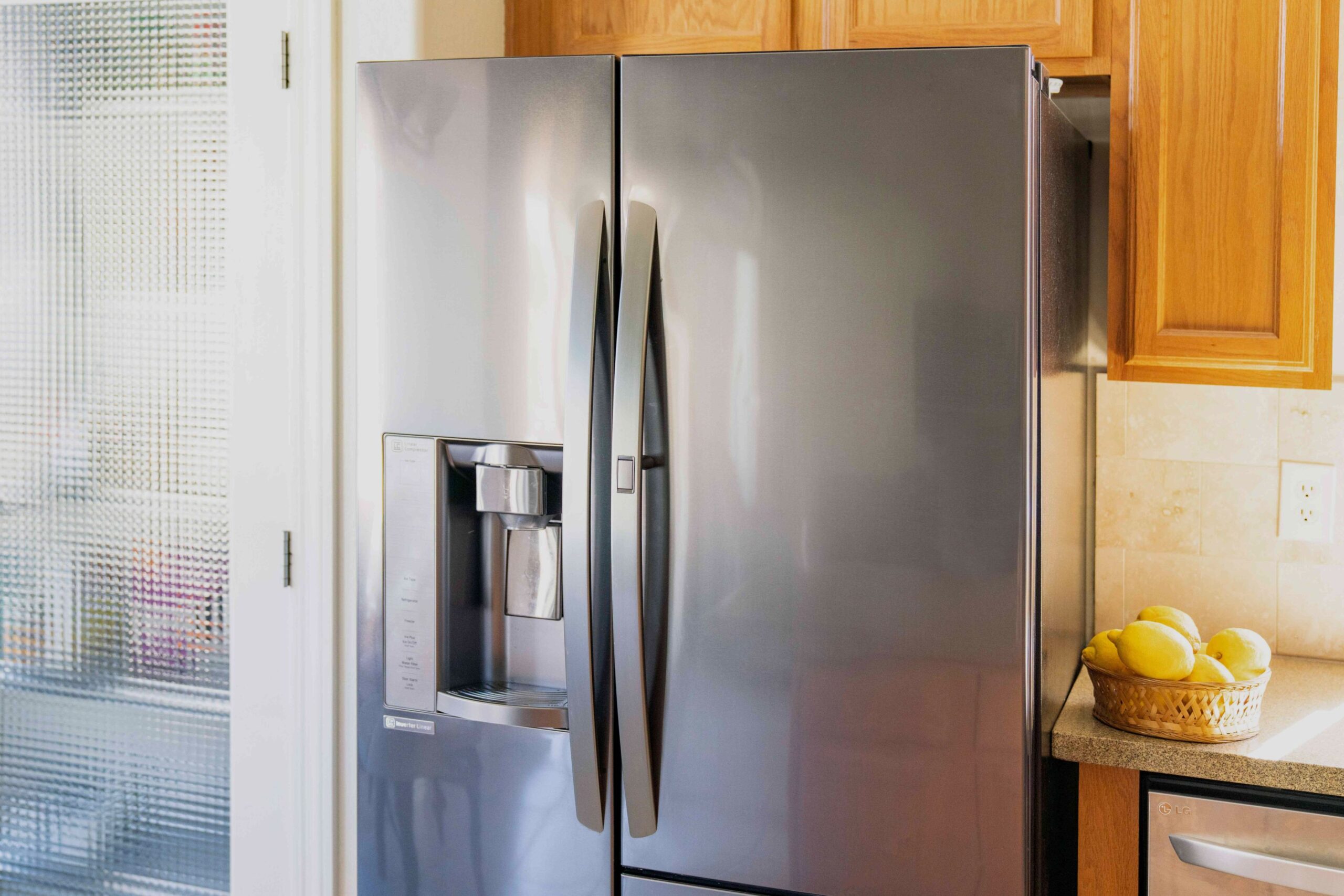
It is annoying when the cold stops working. Milk sours. Vegetables wilt. You look at the empty space where fresh food should be and wonder how this happened. Before you spend $1,000 on a new unit, check if a simple fix will bring the temperature down. Most cooling failures are small issues that anyone can solve without calling a repairman.
Check These 7 Warning Signs
You do not need a thermometer to know something is wrong. Look for these indicators if you suspect your refrigerator is not cooling properly:
- Temperature spikes: The internal readout sits above 40°F.
- Freezer melt: The freezer compartment is above 0°F.
- Ice buildup: Excess frost or ice, especially near the air vents.
- Condensation: More moisture inside the fridge than normal.
- Odors: Foul smells when you crack the door.
- Rapid spoilage: Fresh produce dies days before its expiration date.
If you see any of these, stop buying food. Start troubleshooting.
1. Wrong Thermostat Setting
This is the easiest mistake. You might have bumped the dial. Or a pet got curious. If the setting is too high, food rots. If it is too low, everything freezes.
Find the control. It is usually near the light on the ceiling of the fridge compartment. Turn it to between 35°F and 38°F. Wait 24 hours. Do not keep opening the door to check. Let it restabilize.
2. The Fridge Is Stuffed Too Full
Coolers work by circulating air. If you pack your refrigerator like a sardine can, air cannot move. No airflow means no cooling. The unit works harder for less effect.
Reorganize. Create vertical space. Let cold air circulate between the items. It sounds simple, but blocked airflow is a surprisingly common reason why your refrigerator is not cooling efficiently.
3. Bad Fridge Location
Your indoor refrigerator is designed for your home’s temperature. It is not a garage fridge. If you put it outside or in an uninsulated space, it will fail.
Heat is the enemy. Keep it away from dishwashers, ovens, and ranges. Make sure you leave room for heat to escape the back of the unit. Leave at least 3/8 inch on the sides. Leave 1 inch on the back. If your kitchen gets hot while you cook, use the fan.
4. Dirty Condenser Coils
These coils are on the back or bottom of your fridge. They release heat into the room. When they are coated in dust and pet hair, they cannot do their job. The fridge gets hot. The food gets warm.
Pull the fridge out. Use a vacuum or a brush. Clean the coils. Do this every six months. Do not bend the delicate metal fins while you work.
5. Blocked Air Vents
Most fridges get cold from the freezer. Air travels from the freezer compartment to the fridge section through vents. If you shove a bag of spinach in front of the vent, the fridge stops getting cold air.
Check the vents between the fridge and freezer. Move any blocking food. Chip away any ice that has built up around them.
6. Dirty or Broken Door Seals
The rubber gasket keeps cold air in. If it is dirty, it won’t seal. If it is cracked, it won’t seal either. Dirt, food spills, and grime can create a barrier that lets warm air sneak in.
Wipe the seals with warm, soapy water and a sponge. Do not use bleach or harsh scrubbers. They will crack the rubber.
Is the seal broken? Try this test: Close the door on a dollar bill. Pull it out. If it slides out easily, the seal is loose. You need a new gasket.
To fix it, buy a universal or brand-specific replacement. Soak the new rubber in hot water to make it flexible. Remove the old strip. Install the new one. It takes less than an hour.
7. Unlevel Refrigerator
If your fridge is tilted, the doors may not close fully. They might not click shut. If the door doesn’t seal, the fridge cannot cool.
Use a level. Check from side to side. Then check from front to back. The front should be slightly higher—tilted back by about 1/4 inch. This allows gravity to help the doors close tight. Adjust the feet until it sits right.
8. Loose Plug
Sounds ridiculous? It happens. If the power light is off, check the plug. Is it loose in the outlet? Is it in the wrong outlet type?
Some outlets, like GFCI units, can trip and cut power to your fridge without you noticing. Unplug it. Wait. Plug it back in firmly.
9. Stuck Condenser Fan
The fan is next to the compressor on the back or bottom. It pulls air over the hot coils. If the fan is stuck by dust or an object, the compressor overheats. The system shuts down to save itself.
Clear the debris. If the fan still won’t spin, the motor is dead. You might need to replace it. This one can be tricky. If you are not comfortable working with electricity, call a pro.
When to Call a Professional
You can fix most things yourself. But some issues are complex.
Call an HVAC specialist or appliance engineer if:
* The compressor won’t turn on or off.
* The thermostat is fried.
* The evaporator fan inside the fridge isn’t blowing when you open the door.
Replacing a compressor relay or internal fan motor requires tools and technical skill. It is not a weekend DIY project for most people.
How Much Does It Cost?
DIY fixes cost almost nothing. You already have the cleaning supplies. You already have the food storage containers.
If you need parts:
* Gasket replacement: $35 to $100.
* Leveling feet: $10 to $20.
* Laser level (if you don’t have one): $50 to $150 (one-time buy).
Professional repairs run between $100 and $60. Yes, it can go higher. Parts and labor add up quickly.
Signs It Is Time to Buy a New Refrigerator
Age is a factor. The average fridge lasts about 10 years. If you maintain it well, maybe 20. But efficiency drops over time. Old units use more electricity. They cool less consistently.
If your fridge is 10 years old and starting to act up, do the math. Is it worth spending $400 to fix it for two more years? Or would a new, energy-efficient model save you money on the electric bill and last another decade?
Sometimes the fridge just gives up. Check the age. Check the repair quote. Then decide.


