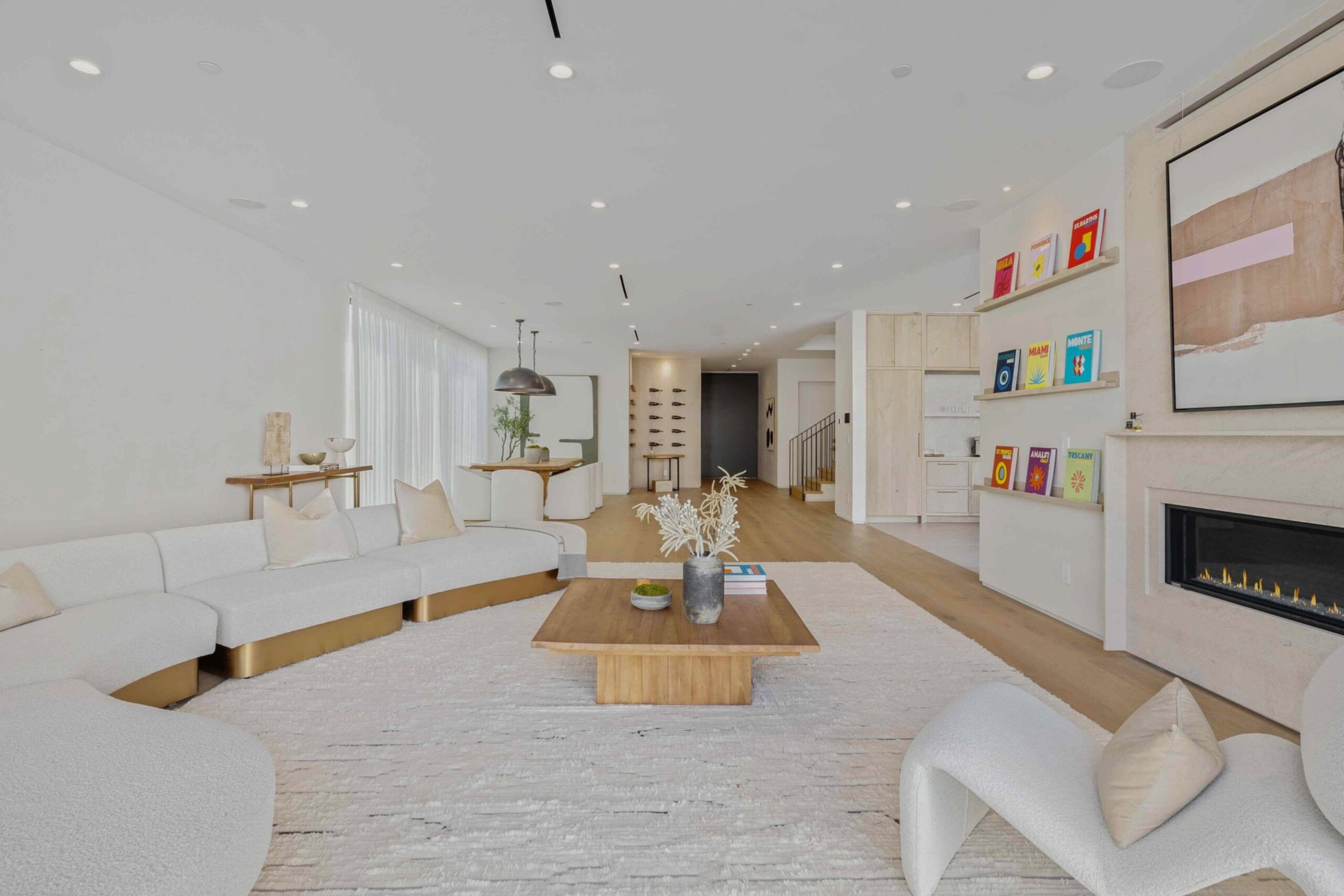
Living rooms are personal spaces. They should feel like you, not like a showroom.
Yet, even professional interior designers slip up. Sometimes they buy pieces for their own homes. Other times, they make errors for clients. It happens.
But here is the good news: you don’t have to make the same mistakes. We talked to three designers who opened up about their biggest living room regrets. From white sofas to scratchy textures, they are sharing exactly what to avoid.
This guide helps you skip the cleaning nightmares and uncomfortable seating. Here is what to look for—and what to ignore.
The Allure and Agony of the White Sofa
Jennifer Sucher, founder of Sucher Studios, bought a white sofa seven years ago. At the time, it seemed like a bold, stylish choice. It had a cool wood base and an interesting shape.
She was wrong.
The fabric wasn’t durable. The linen-look material pilled constantly. Stains appeared inevitably.
“Choosing the largest piece in the space to feel white was completely the wrong move,” Sucher says. “It said nothing… and just looked like a blank canvas.”
White is high maintenance. It dominates a room visually. Instead of adding style, it often just looks like an empty hole waiting for new pillows. Every quarter, Sucher had to swap them out. That is a lot of work for a sofa that offers zero long-term value.
Don’t let trendiness override practicality. If you want a light look, try a light gray. Or invest in performance fabrics that actually repel dirt. A white sofa requires a level of devotion most of us simply don’t have time for.
Stop Buying Small Area Rugs
Paige Loperfido, founder of Decor & More Design Studio, says this mistake costs money and美感.
A rug that is too small does more than look cheap. It breaks up the space. It makes a room feel disconnected and cramped.
How do you fix it? Use the “two-legs rule.”
“When in doubt, always go the bigger size.”
Ensure at least the front legs of your sofa and chairs rest on the rug. If your furniture floats in the middle of the hardwood, you chose the wrong size.
Buying a larger rug is rarely a mistake. Buying one too small forces you to replace it. That means paying for shipping, handling, and two sets of rugs. Just start big. It anchors the furniture and makes the room feel intentional.
The Throw Pillow Trap
Throw pillows seem small. They are cheap. Easy to replace.
Wrong.
Loperfido warns that cutting corners here backfires fast. Cheap inserts lose their shape within weeks. The covers pill. The room looks saggy and tired.
You are touching them. Sitting near them. They should feel good.
Opt for high-quality fabric. Choose inserts that hold their form. A few excellent pillows are better than twelve cheap ones. This is a detail where quality shows.
The Texture Trap: Look vs. Feel
Tracy Morris, founder of Tracy MorrisDesign, fell into the “look over feel” trap.
She bought a sofa in a fabric that looked stunning. It had texture. It had depth. But it was scratchy.
“Beautiful furniture still has to feel good for you to live with every day.”
Morris ignored her instinct. She focused on the visual impact, not the tactile experience. Now, she avoids the sofa.
Why buy a piece you hate to touch?
Always test the texture. If you are unsure, take a fabric swatch home. Sit on it. Read in it. Lie down if you have to. If it irritates your skin, it won’t get better. It will only get worse.
The “Sit and Fit” Test for Chairs
Morris has a second regret. A reading chair.
It was beautiful in the showroom. It was an impulse buy. But when she sat down, it was unusable.
The back was too low. It offered no support. She couldn’t relax.
This is the “sit and fit” test. Many people judge furniture by its profile. Standing in front of a chair tells you nothing about comfort. You need to sit in it.
Does it support your back? Is the depth right for your legs? Can you stay there for an hour? If the answer is no, walk away. No design scheme is worth an hour of back pain.
The Bottom Line
Living room furniture is an investment. Not just in money, but in daily life.
Avoid white sofas if you want low maintenance.
Choose rugs big enough to anchor your seating.
Skip cheap pillows.
Prioritize texture over just looks.
Sit in chairs before you buy them.
These rules aren’t about limiting style. They are about ensuring you actually use the space. After all, a living room is for living in.