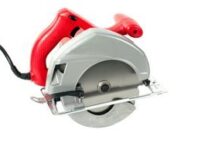
Circular saw blades are not one-size-fits-all. They come in various materials and tooth configurations, each designed for specific jobs. A standard steel blade handles softwood like a champ but deteriorates rapidly if you force it through hardwood. The tooth count matters too. More teeth mean a cleaner slice on certain materials. You need 100 teeth or more for plywood. For cross-grain cuts on regular lumber, 48 teeth is often enough. Your saw’s physical layout also dictates performance. The relative positions of the handle, motor, and blade change how the tool behaves in your hands.
Selecting Blades for Abrasive Tasks
Cutting concrete is a different beast entirely. Standard blades will not work. You need a blade with diamond tips or another abrasive material. Precision here is critical. When attaching any replacement blade, verify the diameter matches your tool. A mismatch can be catastrophic.
For heavy-duty jobs like concrete, a worm-drive saw is usually the superior choice. In these models, the motor and blade align in a straight line. The handle sits toward the back. This configuration provides better leverage and control for tough materials.
Power and Quality Indicators
Concrete demands power. Check the amp rating on your saw. This number indicates electricity usage, not actual output power. It is a poor measure of cutting strength. Price, surprisingly, often correlates with quality. A higher-priced saw is more likely to have the robust motor and build required for dense materials. Do not skimp on the tool. A weak saw will stall or overheat.
“Safety should be your first concern when using a circular saw to cut through concrete.”
Essential Safety Protocols
Concrete generates massive amounts of dust and noise. Eye protection is non-negotiable. Earmuffs or earplugs are essential. The noise level alone can cause permanent damage.
Blade guards are another safety factor. Only use an abrasive blade if your saw has an aluminum or magnesium guard. Plastic guards may melt or shatter under the heat and friction of diamond cutting. Verify your guard material before starting.
Which Blade Works Best?
Finding the right combination of material and style is key. Steel blades wear out fast on hardwood. High-tooth-count blades are essential for smooth finishes on plywood. For concrete, diamond-tipped blades are the only real option. Worm-drive saws offer better control for these heavy tasks.
How to Ensure Proper Fit
Always measure the blade diameter before installation. An ill-fitting blade can wobble, break, or fly off. Check your saw’s specifications. Most standard circular saws use 7-1/4 inch blades. Worm drives might use larger diameters. Consult your owner’s manual.
Why Amp Rating Isn’t Enough
The amp rating tells you how much power the saw draws from the outlet. It does not tell you how much power the blade receives at the cut point. Gear reduction and motor efficiency play huge roles. A high amp saw with poor gearing may cut slower than a lower amp saw with a superior drivetrain. Price often reflects better engineering and more durable components.
Tool Layout and Control
The position of the handle affects your grip. Worm-drive saws put the handle behind the blade. This pushes the saw forward into the cut. It reduces kickback. It also keeps your hands away from the blade path.