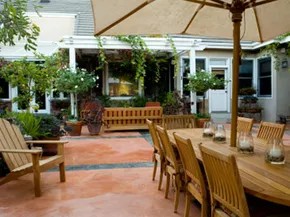
You saw it in the listing. The price tag for that new patio set looked steep, maybe even ridiculous compared to a standard aluminum frame. But before you scroll past, you need to understand what you are actually paying for. Teak wood isn’t just a fancy label used to inflate margins. It is a specific biological resource with a history stretching back centuries, and its cost reflects the time, labor, and scarcity involved in getting it from a tropical forest to your backyard.
The wood comes from the Tectona grandis tree. It is native to the tropics and has been prized since the 7th century. Historically, it was used to outfit the residences of the wealthy and powerful. The Dutch brought the material to global attention during the colonization of Indonesia. They favored it for shipbuilding because it resists dry rot naturally. That same property makes it ideal for outdoor furniture today. You are not just buying a table; you are buying a material that fights the elements on its own.
Where Does the Wood Actually Come From?
Teak grows primarily in Southeast Asia, specifically in Thailand, Burma, and Malaysia. However, Indonesia manages its supply chain with a distinct level of governmental oversight. Since the post-colonial era in the mid-20th century, the Indonesian government established a dedicated corporation to manage this valuable resource.
That corporation is PT Perhutani. It maintains official teak plantations on the island of Java. The operation is strictly controlled. A predetermined number of trees can be felled each year. Every single tree that is cut down is replaced with a new planting. This isn’t wild harvesting; it is managed agriculture on a massive scale. The goal is to preserve the resource while still providing the raw material for high-end furniture.
Why Does It Take So Long to Get One Tree?
This is the part that surprises most DIYers and homeowners. You cannot plant a teak tree today and expect to build a dining table from it in five years. Mature teak trees, which yield the best furniture-grade wood, take roughly 80 years to reach harvest readiness.
Eighty years.
That is a long time to wait for a piece of wood. Because fresh, mature teak is so time-intensive and valuable, the market leans heavily on reclaimed wood. Builders and manufacturers pull wood from old structures slated for demolition. This old-growth teak has already weathered decades of exposure, making it even denser and more stable for new furniture. When you see “reclaimed teak” in a product description, it usually means the wood has a history of structural use, which adds to its character and resilience.
The price you see on that patio chair is a direct reflection of these factors. It is the cost of 80 years of growth, strict plantation management in Java, and the logistical effort required to transport a dense, oily wood across oceans. It is expensive because it is difficult to produce and exceptionally difficult to replace.
Why Teak Heart Wood Outlasts Pine and Oak
You know the price tag. Teak costs more than pine or oak. There is a reason. It is in the grain.
Teak trees produce natural oils and rubber. Most trees have some, like maple sap. Teak is different. It keeps those oils and rubber locked inside even after the tree is cut down and processed. When the wood dries to about 10 percent moisture content, those internal compounds act as a permanent weatherproofing barrier.
This matters for two things. First, it stops dry rot. That is the enemy of old wooden furniture. Second, it keeps fungi and parasites out. With regular wood, you spend money on sealants and treatments to fight those invaders. With teak, you do not. The wood does the work for you.
How Weathering Affects Teak Appearance and Value
Outdoor teak changes color. It starts honey brown. Over time, it turns slivery gray. That is not decay. That is the wood aging.
You pay a premium upfront. Yes. But you stop paying for annual maintenance. Those savings add up. Teak is also incredibly strong. A patio set made from it can last decades. Archaeologists found teak objects in Western Indian caves. They were over 2,000 years old. They were untreated. They were intact. That kind of durability changes the math on replacement costs.
The Difference Between Sapwood and Heart Teak
Not all teak is created equal. There is a big difference between sapwood and heartwood.
Sapwood is the outer layer of the tree. It is where the tree grows outward. It has fewer natural oils. It is less resistant to weather and pests. It is also more abundant.
Heartwood is the inner core. It holds the concentrated oils and rubber. It is much more durable. Because trees have far more sapwood than heartwood, heartwood is scarcer. That scarcity drives the price up. If you want furniture that lasts, you are buying heartwood.
What to Look for When Buying Teak Furniture
If you are ready to buy, do not just look at the wood species. Look at the details.
- Moisture Content: Ensure the wood has been dried properly.
- Certification: Look for sustainable sourcing. One specific source to verify is the PT Perhutani forestry reserve.
- Construction: Check for joinery quality. Even the best wood fails if the joints are weak.
You will pay a lot. You will likely be happy with it for a long time. The maintenance is minimal. You just sit back. You use it. You watch it gray. It handles the rain. It handles the sun. It just stays there.