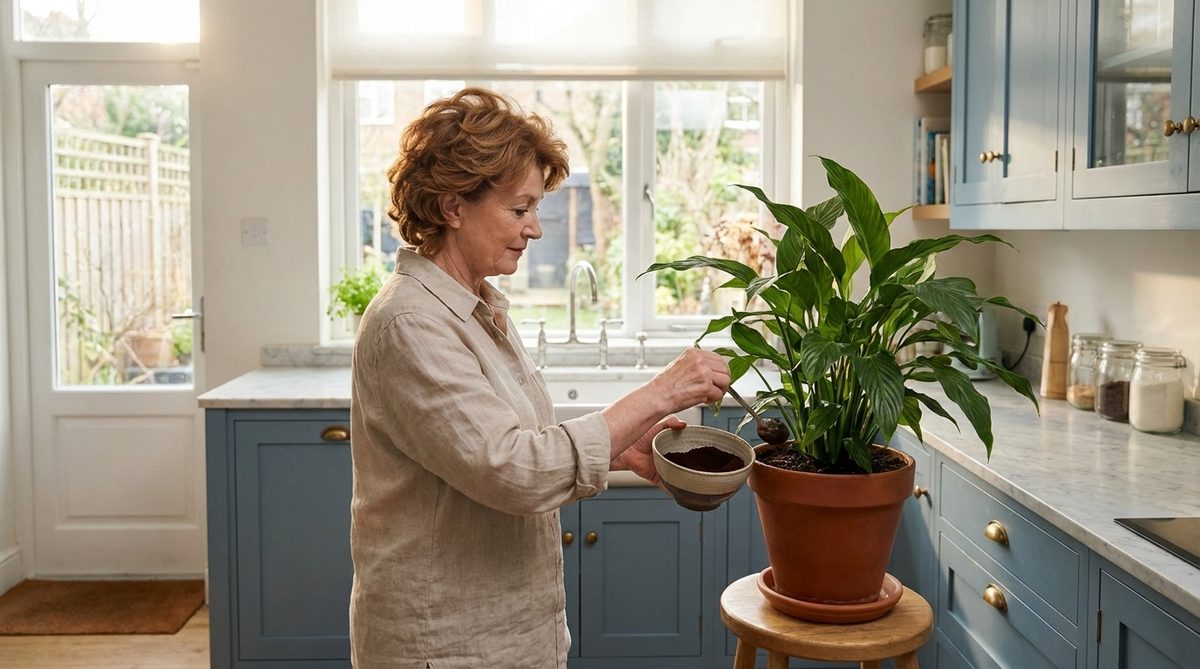
That little pile of wet mud in your trash can every morning isn’t just trash. It is a domestic Swiss army knife. It cleans grease, fights odors and nourishes plants. When spring cleaning is in full swing, tossing it out is throwing away a free resource. The secret lies in its composition. It fights oil spills and stale odors surprisingly effectively. These aren’t just hacks. These are practical maintenance steps that save money and reduce clutter. The morning mess deserves a second life.
Why coffee grounds are a valuable household resource
Coffee grounds are organic material, but only if you use them correctly. They contain about 2% nitrogen, 0.3% phosphorus and 0.3% potassium. These are the same elements as in commercial fertilizers. However, they are in a mild form. This makes them suitable for regular, low-dose use. The texture is a bit grainy. This ensures a gentle grinding effect. It also absorbs odors effectively.
Before you start distributing, follow a few rules to avoid mistakes. If you plan to store dry grounds, spread it in a thin layer on a plate. Let them dry completely. Then store them in a clean, sealed container. If they are wet, use them immediately in the garden or compost. If they stay damp, mold will develop. Never overload surfaces or soil. Too much ground creates a compact layer. It binds moisture where it shouldn’t. It can even turn into paste in pipes. The formula for success is small amounts, often used in the right place.
Use coffee grounds in the garden for acid-loving plants
Spring means replanting. Plants need a boost. Coffee grounds are an easy source of nutrients for acid-loving plants. They prefer slightly acidic soil. Sprinkle a light handful on the surface of the soil. Mix it when replanting. The goal is to support soil life, not to change the Earth completely. Ideal candidates are hydrangeas, azaleas and rhododendrons. They also work well with heather pots if the dosage is light.
In the compost bin, grounds act as a supplement. Alternate them with dry materials such as fallen leaves, brown cardboard or twigs. This prevents wet lumps from forming. In the vegetable garden, mix grounds into the soil around plants. Add a small amount to existing mulch. Watch the soil. If a dark crust forms, you have used too much. Healthy soil favors balance. Excess does more harm than good.
Some plants and situations require caution. Seedlings and young plants can suffer if the soil forms a thick covering layer. This limits ventilation and traps moisture. Avoid use on plants that prefer alkaline or calcareous soils. It disrupts the substrate balance. For heavy, compacted clay, do not apply fine material in layers. Compost the soil first. Apply the finished compost instead. The rule is simple: never place a thick carpet. Always mix or spread them.
Clean the kitchen surfaces with coffee grounds and a mild abrasive
Is the food stuck in the pan? Fat film on the hob? Dirty oven racks? Coffee grounds can help without harsh chemicals. The composition absorbs fat. It helps remove residue. It washes off easily. The method is straightforward. Wet the surface lightly. Apply a handful of grounds. Scrub with a damp sponge or cloth. Rinse well. If the stains are stubborn, leave it on for a few minutes before scrubbing. This is suitable for anyone who wants to avoid strong smells in the kitchen.
It works well with stainless steel and sturdy surfaces. It removes greasy deposits without polishing. However, protect fragile finishes. Do not use on damaged non-stick surfaces. Avoid highly polished surfaces with micro-scratches. If in doubt, Test on a hidden spot first. Two basic principles: rub gently. Rinse immediately. This prevents granules from getting stuck in the corners.
Tame persistent smells and capricious pipes
The fridge is a chaotic mix of sharp cheese, spicy onions and leftovers that overstayed their welcome. Trash can? It retains odors long after the bag is replaced. Coffee grounds change the game here. They don’t perfume the space. They trap odors through simple absorption.
Place a bowl of grounds in the back of the fridge or deep in the cupboard. Make it work. For the container, sprinkle dry grounds under the bag. It reduces the stench at the source. If the grounds themselves start to smell “charged”, throw them away. It’s that simple.
Preventing clogging of drains with Coffee Grounds
The kitchen sink is different. Pour a small amount of coffee grounds down the drain. Immediately with hot water. This is a practice that many plumbers validate for daily maintenance. It helps to limit the accumulation of grease on the pipe walls.
Do not confuse this with curing existing clog. You are not clearing a blockage. You are preventing one. A small dose and then a thorough rinse with hot water is enough. Two rules are important: Don’t overdo it. Rinse well.
Know your limits
There’s a fine line. Too much coffee and it clumps. If the water does not remove the particles fast enough or the pipes are already dirty, the result is a mess. The goal is regular maintenance, not a giant dump.
If the sink is already emptying slowly, skip the grounds. Use hot water for a long time. Clean the P-trap manually. Coffee is an ally for upkeep. It is not a magical solution to a solid obstruction.
A 3-step routine that never wastes coffee grounds
Make the habit automatic. Recover. Dry. Store. Immediately after brewing, put the wet coffee grounds in a shallow bowl or open jar. When there is enough, let them air-dry in a thin layer. Store them in a dry place. This prevents mold from forming. It keeps supplies ready for the kitchen, garden or odor control. It also reduces the weight of household waste.
The key is keeping the grounds clean and dry. Use them before they sit for weeks.
Seasonal and practical use
A mental calendar helps integrate this into your life. In the spring, use grounds for planting and light garden soil amendments the garden soil. Reach for them in the kitchen when a greasy surface resists cleaning. Use them at home after a heavy meal or when the refrigerator needs neutralization.
How to use them effectively:
- Garden : A light pinch scattered. Never a thick layer.
- Kitchen : A small amount the size of a walnut to scrub, then rinse immediately.
- Smells : A bowl of dry coffee grounds to be replaced as soon as they lose their freshness.
- Pipes : A small amount followed by hot water. Use sparingly.
Avoid common mistakes
Keep a short checklist to avoid mistakes. Avoid sensitive surfaces. Keep it light when mixing into seeds. Never turn coffee grounds into a homemade drain plug. Only store completely dry grounds.
With these precautions, this by-product becomes an discreet yet powerful tool. It offers simple, affordable solutions for real life. The surprise is not what it can do. It’s that we left it as trash for so long.
Maybe the next smart move starts right when you finish your coffee?