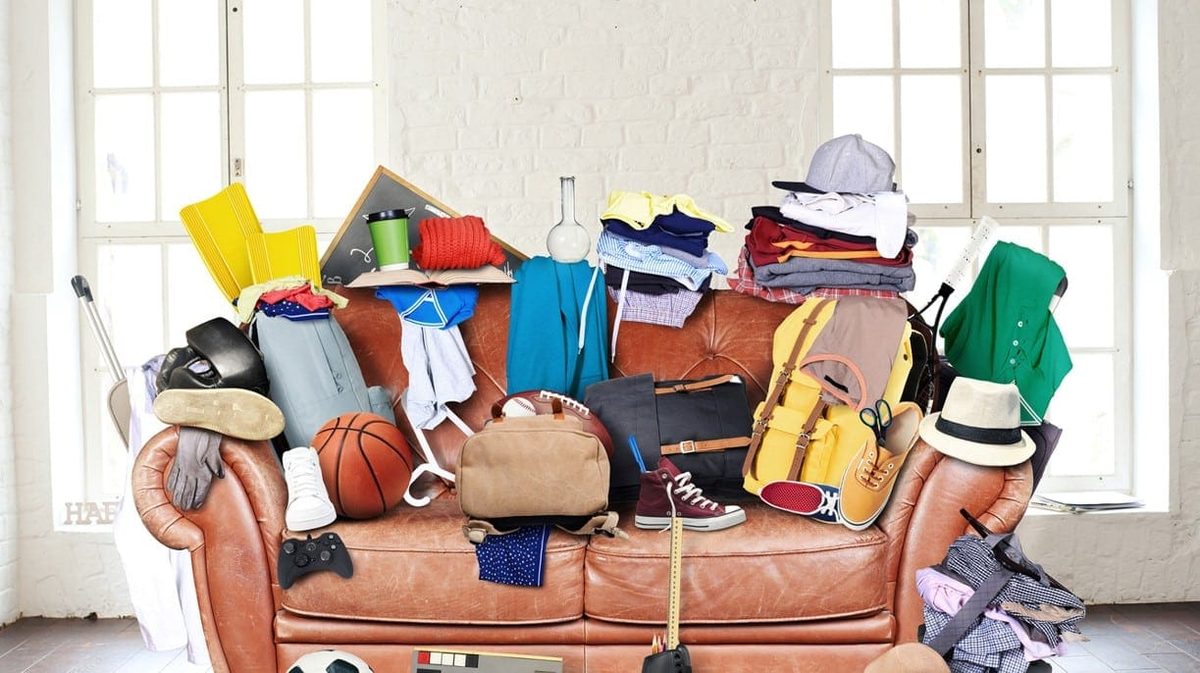
Your house feels like a storage unit. You walk in and immediately think about what you need to move. It is exhausting.
But cleaning isn’t just about chores. It is about sanity. A minimalist home isn’t a trend. It is a relief. You breathe easier when surfaces are clear.
If you want to change your interior, start here. These five steps will help you strip back the clutter.
1. The Room-by-Room Method
Stop trying to fix everything at once. You will burn out. Pick one room. Just one.
Set a timer. Forty-five minutes. Go.
Grab a trash bag. Any item that is broken, expired, or just junk goes in there. Do not think. Just toss.
Then grab a second bag for donations. If you haven’t used it in six months, it probably doesn’t belong to you anymore.
2. Sort Before You Store
We often buy bins to hide our mess. This is a trap.
You must sort first. Group similar items together. Books with books. Cables with cables.
Only then do you decide where they go. If you store before sorting, you just create a more organized pile of chaos.
Use clear containers for things you need to see. Use opaque bins for seasonal items. Label everything.
3. The One-Year Rule
This is the hard part.
If you have not used it in a year, let it go. Clothes. Kitchen gadgets. Decor.
It sounds harsh. It is not.
Your space should serve your current life, not your past hobbies or future fantasies. If you keep it “just in case,” you are paying rent in square footage for a possibility.
4. Create Surfaces for Living, Not Stuff
Clear your counters. Clear your tables.
A minimalist space feels larger because it has empty space. Empty space is not wasted space. It is breathing room.
Leave your kitchen counters bare. Use a single bowl for fruit. Nothing else.
Your dining table should hold dinner, not bills and mail.
5. Maintain with a Daily Reset
Decluttering is not a one-time event. It is a habit.
Take ten minutes every evening to return items to their homes.
This prevents the slow creep of clutter. You will notice the difference immediately.
The house feels lighter. You feel calmer.
But be careful. It is easy to get stuck in the sorting phase. You can spend weeks deciding what to keep.
Move on. If you are unsure, box it up. Put it away for a month. If you don’t miss it, donate it.
The goal is not emptiness. It is ease.
Tackle One Room at a Time
Don’t try to tackle the whole house in one weekend. You’ll burn out before you even start. The trick is to pick one room and finish it completely before moving on. Plan for one day per space. This method gives you quick wins. You see the result immediately. That momentum is what keeps you going when the dust settles.
Get the Right Bags Ready
Grab three large plastic bags for every room you clean. Label them clearly. One bag is for trash. The second is for donations. The third is for recycling. You also need an empty cardboard box. This is your “quarantine” zone.
Quarantining items helps people who struggle to let go. Put everything you’re unsure about into that box. Store it in the garage or a closet for six months. If you don’t miss those items after half a year, donate them without guilt. It’s a psychological trick that works.
Sort by Category, Not Location
Once you’ve emptied surfaces, group items by type. Make distinct piles. Books go together. Clothes go together. Knick-knacks go together. Toys go together. This step feels tedious but it cuts your workload drastically.
After sorting, return items to their proper rooms. Anything that doesn’t belong in the current space goes back out. You’ve just eliminated the clutter that was hiding in plain sight.
Buy Storage Solutions That Fit Your Needs
Your first pass reveals what you’re missing. Did you find a mountain of books? You need a bookshelf. Are toys piling up on the floor? You need a toy chest.
Buy cardboard boxes in various sizes for small items. They hide the mess. You can also buy decorative bins for shelves to add style. Don’t forget hidden spaces. Install hooks on the back of doors. Add shallow shelves inside cabinets. Every inch counts.
Tailor Your Strategy to Each Room
Different rooms have different rules. The living room is a shared space. It needs to feel open for family and guests. Keep surfaces clear. Use accent storage.
Clear the dead weight:
– Old magazines on the coffee table
– Forgotten books
– Outdated DVDs
– Junk mail and postcards
– Accumulated knick-knacks
Store the rest where it’s easy to reach. Put remotes and game controllers under the TV. This keeps the main areas clean and functional.
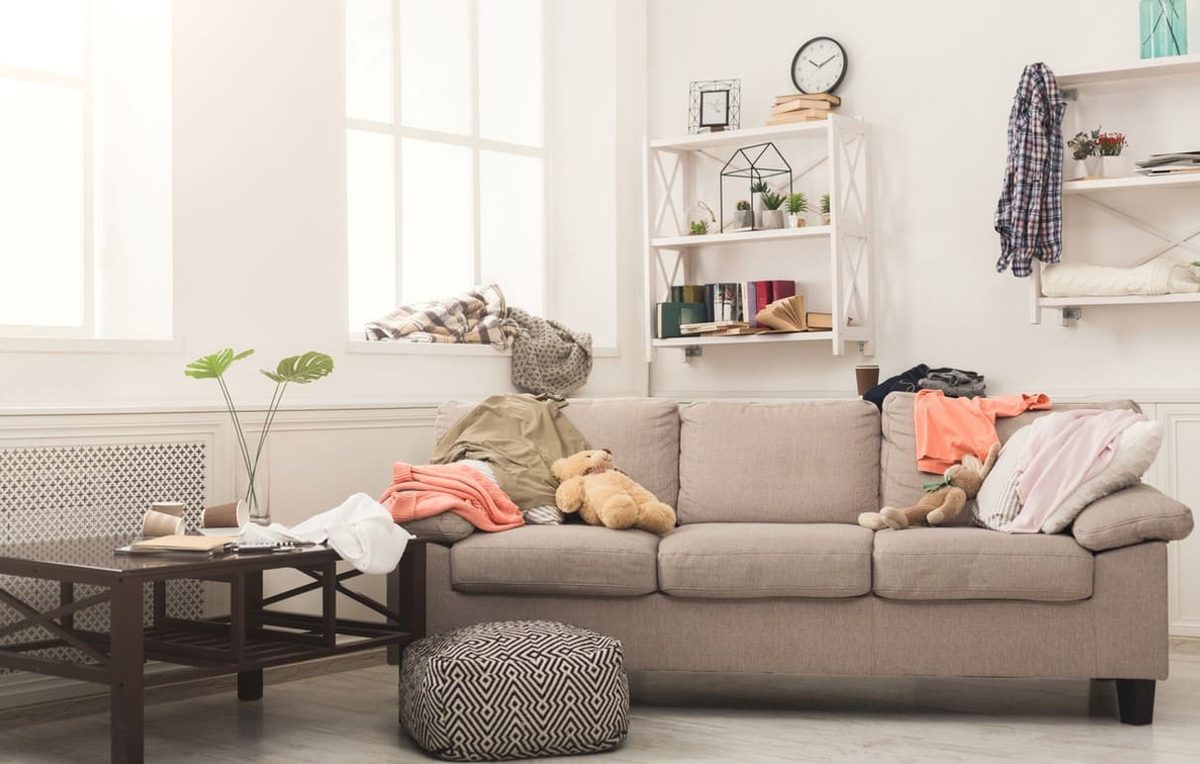
Kids’ Rooms and Bathrooms
Clutter in a child’s bedroom isn’t just annoying. It’s a safety hazard and a mental drain. You need massive storage solutions immediately. Start by recycling or donating toys that have been outgrown. Sort through clothes, markers, and notebooks. The amount of floor space you’ll recover will surprise you.
Bathrooms take longer to declutter. Why? Because every drawer is stuffed with bottles and jars you don’t actually need.
Think about what you use daily. If it’s expired, expired.
Dump out the nail polish. Toss used toothpaste tubes. Discard expired cosmetics. Get rid of random samples and mismatched towels. Also, organize the medicine cabinet. That’s where the most dangerous clutter hides.
Kitchen and Office
Inventory your pantry now. You will find boxes of forgotten ingredients. Throw away any expired food products. Reorganize your cupboards so you can see what you have.
Check for small appliances you never use. Still in the box? Donate the crepe maker or waffle iron. You don’t need them.
For your home office, order is everything. If your desk is buried in paper, grab the trash bin and start cleaning. Sort pens and small supplies. Make a list of stationery you actually need.
Use this cleanup to add storage accessories. Better organization means higher productivity.
Clothing Closets
Your closets are full of clothes you never wear. You want more space? You need to make hard choices.
If an item brings no joy or hasn’t been worn in two years, sell it. List it on a secondhand site. You’ll make extra cash for a weekend trip.
You’ve finished the heavy lifting. Getting rid of the excess is the only way to feel truly free. Take that clutter to the dump or donation center immediately. Don’t let it pile up.
Rearranging the interior isn’t a one-time job. Keep it up weekly. Or you’ll be overwhelmed again before you know it.