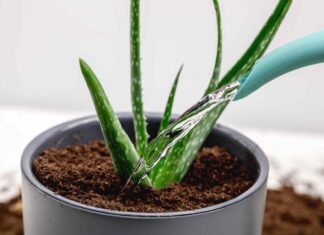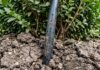
Groundwater is the hidden engine of our water supply. It accounts for 98 percent of all usable water on the planet. This is not the stuff you see in lakes or oceans. This is water that has soaked through rain, snow, sleet, and hail. It moves deep underground. Gravity pulls it down until it gets stuck in the spaces between rocks, soil, gravel, and sand. It keeps going until the ground is fully saturated. The top line of this saturated zone is called the water table.
Most of the time, this water comes up clean. It is free from pollution. But that can change fast.
Contaminants are everywhere. Gasoline. Oil. Road salts. Chemicals. One major source is storage tanks. More than 10 million tanks are buried in the US. Many are corroding, cracking, or leaking. There are also over 20,000 abandoned hazardous waste sites across the country. Septic systems for homes not on city sewers are another leak point. Landfills leak through cracks in their bottom layers. Even rain washes fertilizers and pesticides into the ground.
Drinking this water is dangerous. It can cause bacterial diseases. It can trigger nervous system disorders. Cancer is a risk. Liver and kidney failure is possible. Wildlife suffers too. Fish die.
Cleaning it up is a nightmare. It is deep underground. It costs millions. If you are developing land, you need to test the water first. Local health agencies can help with analysis.
But quality is only half the battle. Quantity matters just as much. High or low water tables bring their own problems.
Why Groundwater Quantity Matters for Homeowners
When you buy land or plan a renovation, you are dealing with the water table. This is the level where the ground is fully saturated. If the water table rises, your basement floods. If it drops, your well runs dry.
Most homeowners don’t think about this until it’s too late. They buy a house with a finished basement in the basement. Then the next heavy spring rain comes. The water table rises above the foundation. Water seeps in. Mold grows. Dry rot sets in. The cost to fix water damage is high. The cost to prevent it is lower.
Testing the water table level before you build or renovate is smart. It tells you where the saturated zone starts. It tells you how high it can rise. Some areas have seasonal spikes. Others stay constant. Knowing the difference helps you plan.
How to Test Your Groundwater Before Development
You don’t have to guess. You can measure the water table.
- Drill a monitoring well. This is a simple hole in the ground. It lets you see how deep the water is.
- Check historical data. Local health agencies often have records of water table levels in your area.
- Look at the landscape. Wetlands. Marshes. These are signs of a high water table.
- Ask neighbors. Have they had flooding issues? Do they have sump pumps?
If you find a high water table, you have options. You can install a sump pump. You can add waterproofing to your basement walls. You can change the landscaping to direct water away from your home.
If the water table is low, you might need a deeper well. You might need to drill further to reach the saturated zone.
The Cost of Ignoring Groundwater
Ignoring groundwater is expensive.
Water damage destroys foundations. It ruins drywall. It ruins flooring. It ruins furniture. Repair costs can reach tens of thousands of dollars. Health costs are even higher. If your family drinks contaminated water, medical bills add up.
Prevention is cheap.
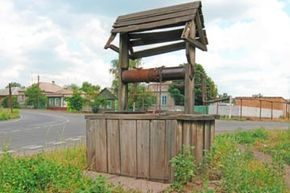

How Groundwater Depth Impacts Your Well and Wallet
You cannot control the rain. You cannot stop the tide or dictate where the next development project digs its first hole. But you can bet that if your neighbors are pumping hard or the city is expanding, your local water table is shifting.
This shift dictates everything about a private well.
If the aquifer is deep, you are looking at a deeper hole. And a deeper hole means a bigger pump. More energy. Higher bills. It is a simple math problem that bites you in the pocket long after the drilling rig leaves.
But cost is not the only enemy. When you pull water from too deep, you risk disturbing the delicate pressure balance in the soil. You can suck saltwater inland. You can cause the land itself to collapse. Land subsidence is not just a geological term. It is a sinkhole forming under your driveway.
The Hidden Dangers of Shallow Water
High groundwater is not the safe bet either.
Shallow wells pull from water that is often more acidic. Acid eats. It dissolves metal. If you have copper or steel pipes, corrosive shallow water will eat them through. You will have leaks. You will have rot. You will have a plumbing bill that makes your head spin.
There is a legacy issue too. Lead.
Even though the Safe Drinking Water Act cracked down on lead pipes back in 1986, old infrastructure still holds remnants. If your well is shallow, that water is more likely to carry traces of it. Do not guess. Send a sample to a certified lab. You need to know what is in that glass before you pour it into your kettle.
The silver lining? Plastic piping resists corrosion far better than metal. If your local codes allow it, switching to plastic can save your plumbing system from the acidic bite of shallow groundwater.
Building Above the Water Line
Drainage is not optional. It is structural.
New construction blocks natural flow. Water has nowhere to go but up. If the groundwater sits close to the slab, it rises through cracks. It seeps through walls. You get standing water in the basement. It smells. It molds. It destroys drywall.
The goal is simple. Keep the finished ground at least ten feet above the highest expected groundwater level. Ten feet. That is the buffer zone between a dry basement and a swamp. If you build closer than that, you are fighting a losing battle with hydrostatic pressure.
Measuring Your Own Water
Knowing the level is half the battle.
Regional agencies track this data. They have the sensors. They have the history. But if you are building a well on raw land, you need current data for your specific spot.
You can measure it yourself. Just be careful. One wrong move with a measuring device and you damage the well casing or the pump. Get instructions first.
Timing matters. Measure in spring and fall to see where the water is flowing and how the aquifer recharged from winter rains. Measure in summer to see how your pump handles the load. Summer readings tell you about efficiency, not just elevation.
Tools for the Job
You have three main ways to get a reading:
- Metal tape. You lower a weighted tape until it hits the water. Subtract the wet length from the total. Simple. Cheap. Effective.
- Electrical sounding. You lower a cable until it completes a circuit. The water conducts electricity. The device beeps. You pull it up and mark the depth.
- Pressure transducers. These are expensive. They connect to a data logger. They monitor continuously. You get real-time data. You pay real money for real-time data.
Why Monitor?
It is not just about curiosity.
Tracking levels over time reveals the health of your aquifer. You see annual changes. You see flow direction. You see if the supply is drying up or swelling. This protects the region’s supply. It ensures water remains affordable and dependable.
For developers, it is about placement. You need to know where to drill to extract water efficiently without pulling in contaminants or causing subsidence.
Groundwater is life. It is also a liability if ignored. Before you break ground, check the quality. Check the quantity. Check the level.
Your foundation depends on it.