Forget the late-night infomercials. You do not need a $19.99 miracle spray to kill stubborn grime. The answer is staring you in the face. It is in your pantry. It costs pennies. It is baking soda.
Or sodium bicarbonate. Or bicarbonate of soda. Same stuff.
You have probably eaten it. You might even take it for heartburn. But that same mild alkali is a powerhouse for bathroom cleaning. It is nontoxic. Safe for kids. Safe for the water supply. And yes, it works.
There is a catch. Cleaning with baking soda takes elbow grease. You have to scrub. But consider this: scrubbing your bathroom bowl might count toward the American Heart Association’s recommended 30 minutes of daily exercise. So you are getting fit while you clean. Win-win.
Let’s start with the least fun part of bathroom maintenance. The toilet.
Cleaning Toilets With Baking Soda
Porcelain looks tough. It is not. Standing water leaves minerals behind. Hard water makes it worse. Brown rings? Rust-colored stains? Those are mineral deposits. If you let them build up, you need strong acid to remove them. Strong acids erode porcelain. They burn your eyes. They burn your throat.
Prevention is easier than cure.
Make “flush” a rule. Then make a weekly routine. Sprinkle a cup of baking soda into the bowl. Let it sit for 30 minutes. This loosens the bond. Now, fill a spray bottle with white vinegar. Spray the inside. The vinegar moistens the soda. It starts a reaction. Grab a toilet brush. Scrub hard. Flush.
The chemistry here is interesting. Baking soda is mostly physical. It is a mild abrasive. It wears away stains gently. But chemistry is involved too. It reacts with grease to form glycerol. That is the same ingredient in many soaps. Mix it with vinegar and you get carbonic acid. A weak acid. It boosts the cleaning power. It also releases carbon dioxide gas. The bubbles help lift dirt. As a weak alkali, it neutralizes acidic odor molecules. No more smell.
Removing Soap Scum From Bathtubs and Sinks
That chalky ring around the tub is not about hygiene. It is chemistry. Body oils and soap fats react with mineral salts in water. Soap scum. It happens in showers too. Sinks too. Hard water aggravates it.
Wipe down surfaces after use. Prevention works. But if the scum is there, you need to treat it.
Make a paste. Baking soda plus dishwashing detergent. Detergents do not react with salts like soaps do. They do not add to the buildup. Sponge it off.
For stubborn cases, you need more power. Add 1/4 cup of baking soda. Add 1/2 cup of vinegar. Add 1 cup of ammonia. Mix this into 1 gallon of warm water. Douse the area. Rinse well.
Warning. Wear rubber gloves. Ventilate the room. Ammonia is caustic. It burns tissue on contact. The fumes damage lungs. Never mix ammonia with bleach or acids. You will create chloramine gas. It can burn your eyes and lungs. Read the labels.
Cleaning Shower Doors Safely
Glass doors look great. Until they do not. Soap spots. Toothpaste flecks. Shaving cream streaks. They make glass look dirty.
Professionals say no to common scouring powders. The granules are too gritty. They leave micro-scratches. You cannot see them at first. But they dull the glass over time.
Baking soda is different. It is a salt. It dissolves in water. The granules are only 65 microns in diameter. That is 0.0026 inches. Small enough to clean without scratching.
Sprinkle it on a damp sponge. Wipe the glass. Rinse. Dry. For a sharp finish, use a squeegee. It removes lint. It minimizes streaks.
This gets rid of the lime deposits too. Not the citrus fruit. The mineral kind. Hard water leaves calcium behind. Baking soda helps lift it. But that is for the next section. For now, stick with the soda and vinegar. It works. It is cheap. It is safe. You just have to scrub.
Breaking Down Buildup on Faucets and Drains
Standing water is the enemy of shine. It doesn’t just leave a smudge. It leaves a mineral ridge. That crusty buildup is calcium carbonate. People call it limescale. It forms when water pools around your fixtures and evaporates, leaving the hard minerals behind.
You might reach for a commercial cleaner. Those products are designed to dissolve lime fast. They also have a major downside. They can discolor chrome. They can damage stainless steel. Brass, bronze, and nickel finishes are at risk too. Toxicity is one concern. Chemical corrosion is another.
How to Use Vinegar for Limescale Without Damage
Vinegar offers a safer alternative. It dissolves lime deposits. It won’t harm your metal finishes. The tradeoff? Speed.
Vinegar works slowly. If you just splash it on, it dries up or runs off before it can do any work. You need contact time. You need coverage.
Here is the practical method:
- Mix white vinegar with baking soda.
- Create a thick paste.
- Thoroughly coat the limescale.
- Let it sit for a few hours.
- Rinse clean.
Heavy deposits might take several applications. Be patient. One quick scrub won’t cut through years of buildup.
Cleaning Showerheads and Drain Clogs
Baking soda has a hidden role in bathroom maintenance. It isn’t just for surface stains.
Using Baking Soda to Clear Drains
When your drain slows down, chemical drain openers are harsh. They can damage old pipes. They release toxic fumes. Baking soda and vinegar offer a mechanical and chemical reaction that clears minor clogs.
Pour half a cup of baking soda down the drain. Follow with half a cup of white vinegar. The mixture will fizz. This reaction helps break up organic matter. Let it sit for 15 minutes. Flush with hot water.
Scrubbing Showerheads with Vinegar
Showerheads trap minerals too. They restrict water pressure over time. Soaking is the solution.
Fill a plastic bag with white vinegar. Tie it around the showerhead so the nozzles are submerged. Let it sit overnight. The vinegar penetrates the small holes. It dissolves the calcium blocking the spray. Remove the bag in the morning. Rinse the showerhead with hot water. The water flow should improve immediately.
Why Vinegar Works Better for Metal
The science is simple. Lime is alkaline. Vinegar is acidic. The acid neutralizes the base. Chrome and stainless steel are resistant to weak acids. Strong chemical cleaners often contain hydrochloric acid or other aggressive agents. Those eat away at protective plating. Vinegar is mild enough to clean without stripping the finish.
When to Call a Pro
If your drains are completely blocked, baking soda won’t fix it. You need a plunger or a drain snake. If the limescale is thick enough to chip off with a fingernail, you might need to reapply the paste multiple times. Don’t use steel wool. It scratches chrome. Use a soft cloth or a non-scratch sponge.
The goal isn’t just cleanliness. It’s preservation. Keeping your fixtures looking new lasts longer than replacing them every few years.

Clogs are the silent killers of bathroom functionality. Unlike lime scale or surface stains, they hide deep inside the P-trap. You only notice them when water stops moving. Your shower becomes a puddle. Your sink gurgles.
Prevention is easier than extraction.
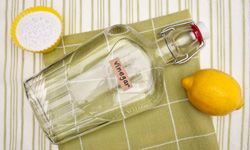
For maintenance, pour half a cup of baking soda down the drain. Follow it with a cup of white vinegar. The fizzing action breaks down soap scum, hair, and grime. Let that mixture sit for ten to twenty minutes. Then, flush the line with boiling water.
Safety warning: Never use this method if you’ve recently used a commercial chemical drain opener. The reaction can spew caustic fumes and hot liquid back into the basin. That’s a chemical burn waiting to happen. Stick to the natural route if you want to stay safe.
Mineral buildup is another common culprit. If your shower pressure is weak, the nozzles are likely clogged.
Take the showerhead off. Soak it in a bucket of water with baking soda and vinegar for an hour. Reattach it. Run the hot water to flush out the debris.
If you can’t remove the fixture, don’t force it. Fill a sturdy plastic bag with the solution. Secure it around the showerhead with a rubber band. Let it soak. Remove the bag. Run the water.
Some materials in your bathroom are too delicate for harsh scrubbing. Stone tile falls into that category.
Cleaning Stone Tile Safely
Stone is beautiful. Marble, limestone, and unglazed ceramics look stunning underfoot. But they are porous. They hate acid.
Commercial cleaners often contain acids that etch stone. You’ll be left with dull, rough patches. To keep the shine, use pH-neutral cleaners for daily care. Mud splatters? Neutral cleaner.
Oil stains are different. Lipstick, nail polish, baby oil—they penetrate the stone. Acid won’t touch these. You need an alkaline cleaner.
Baking soda has a pH of nine. It’s perfect for spot cleaning. Make a thick paste. Apply it directly to the oil stain. Cover it with plastic wrap to keep it moist. Wait twenty-four to forty-eight hours. The paste draws the oil out of the stone. Rinse and dry thoroughly.
The Often-Overlooked Grout
Grout is the weak link in any tile installation. It’s full of microscopic cracks. Dirt, mold, and bacteria love these cracks.
Dirty grout looks bad. It also poses a health risk. Mold spores can trigger allergies. Bacteria can cause infections. Don’t ignore it.
For general cleaning, mix baking soda and water into a runny paste. Use a soft-bristled toothbrush. Scrub gently. The alkalinity lifts the dirt without damaging the tile.
If you see black spots, you have a fungus problem. Switch to a stronger mix. Three parts baking soda to one part bleach. Apply it. Let it sit. Scrub again. Rinse with plenty of water. Dry the area completely. For large floors, a wet/dry vacuum helps remove standing water faster.
Vinyl is a different beast entirely. It wears many faces in the bathroom. And baking soda plays a role there too.
Baking soda isn’t just for scrubbing. It works on nearly every type of vinyl surface you own.
Start with the floor. Sprinkle the powder lightly. Use a wet sponge to scrub it in. Most stains lift right off.
Don’t soak the floor.
Water is the enemy here. It seeps into seams. It goes under edges. Once it gets in, the glue loosens. Corners curl up. Dry it thoroughly after cleaning.
This same logic applies to shower curtains and bath mats. Vinyl appliqués too. They attract mildew. They trap soapy residue.
You can machine wash the curtains. Add 1/2 cup (120 milliliters) of baking soda to your detergent. Pick the gentle cycle. Toss in a few towels. This keeps the curtain from clumping against itself.
For disinfection, add vinegar during the rinse. Pour in another 1/2 cup (120 milliliters). Let the curtain air dry.
Do not put it in the dryer. The heat melts vinyl.
For stubborn stains on appliqués, make a paste. Rub it on. Let it stand for 20 minutes. Then wipe it off.
We have covered the hard surfaces. The soft materials. The wet zones.
Now we move to something less substantial.
2: The Air


If an open box of baking soda in the fridge looks messy, try mixing it with your favorite scented bath salts. Toss that fragrant blend into a decorative dish and set it on the back of the toilet tank. It acts as a passive freshener for about three months. The scent masks the chemical nature of the soda while the compound does its job absorbing nasty smells.
For odors coming from the sink and drain, you need a different approach. Take 1/2 cup of baking soda and stuff it into the toe of an old pair of pantyhose or a nylon knee-high sock. Tie off the leg and knot it around the pipes under your sink. This creates a hanging sachet that pulls moisture and stench away from the trap.
No pantyhose? No problem.
Grab a large square of cheesecloth or cotton fabric. Pile the soda in the center. Gather the edges up to form a ball. Secure it with a rubber band. Tie a length of string or twine around the knot and hang it from the cabinet shelf. It’s invisible, cheap, and effective.
When the box in your fridge finally gets dirty with absorbed smells, don’t throw it in the trash. Pour the used baking soda down the bathroom drain. You can also sprinkle a fresh layer in the bathroom trash can after every emptying. It keeps the bin smelling neutral until garbage day.
1: Your Body
We saved the most important use for last. Baking soda is a staple in personal care kits. Use it straight as a dentifrice. It’s mildly abrasive and antibacterial. Just apply a bit to your toothbrush and brush as usual. Follow up with a solution of baking soda and water for a rinse and gargle. It’s a simple scrub that won’t strip your enamel like harsh chemicals might.
Like other salts, baking soda draws out water. It helps reduce swelling and cleanses the skin by pulling dissolved substances out with it. Dissolve a few tablespoons in a basin of warm water for a soothing foot soak. It’s great for tired feet after a long day in shoes.
Make a paste with baking soda and water for a facial exfoliant. Rub it gently on your skin. If a bug bites or a bee stings, apply that same paste to the affected area. The alkaline quality of baking soda neutralizes the acids in insect saliva. It stops the itch faster than you’d expect.
Baking Soda Uses FAQ
Does baking soda kill bacteria?
Baking soda is a handy household item with many cleaning applications, but it can’t kill most bacteria. It’s more about disrupting the environment than sterilizing it.
Can you use baking powder to clean?
Stick to baking soda. Also called bicarbonate of soda or sodium bicarbonate, it’s mild enough for most surfaces, nontoxic, and inexpensive. Baking powder contains additional acids and won’t work the same way.
How does vinegar and baking soda clean?
Baking soda is a mild alkaline substance. It deodorizes and acts as a gentle abrasive. Vinegar is an acid. Both are effective, nontoxic cleaners. Mixing them creates a fizzy chemical reaction that dissolves stains and loosens buildup. It’s not magic, just basic chemistry.
Can baking soda and vinegar clean a bathtub?
Yes. They work well on tough stains like soap scum. Mix 1/4 cup of baking soda, 1/2 cup of vinegar, and 1 cup of ammonia into 1 gallon of warm water. Douse the area and rinse well. Ventilate the room while you do this. The ammonia fumes are strong.
Why is baking soda good for cleaning?
It dissolves dirt and grease easily in water. It also deodorizes by changing both acidic and basic odor molecules into a neutral, more odor-free state. It’s not just masking smells. It’s neutralizing them.
For more ways to keep your home and body clean, check out the links below.