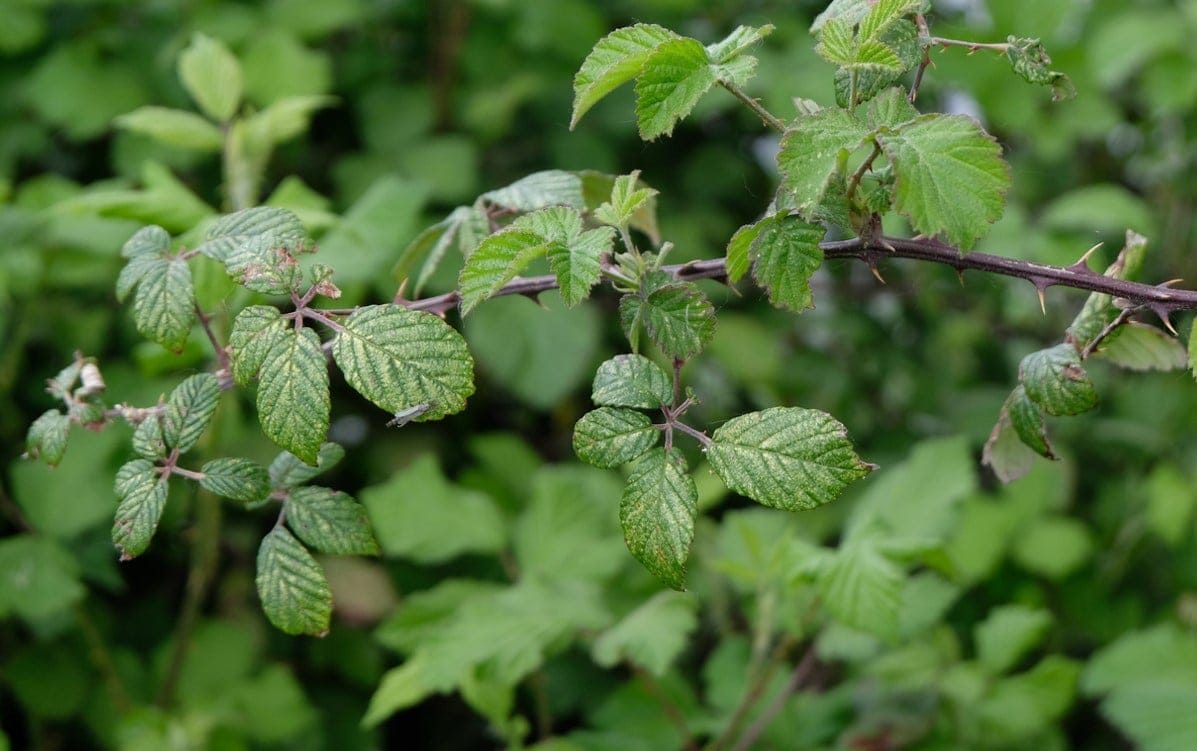
Thorny bushes like blackberry and raspberry can take over a yard in no time. They offer cover for wildlife. They look rustic. But for a homeowner? They are a headache. The thorns are sharp. The growth is aggressive. You try to walk near the fence. You get scratched. It happens quickly. You end up with more problems than you started with.
Chemical herbicides feel like a lazy fix. They harm the soil. They hurt the bees. Plus, the roots often survive the spray. You are better off using natural methods. You can clear the area without poisoning your garden. Here are nine practical ways to tackle invasive brambles.
Manual Removal for Small Infestations
If the patch is small, hands-on removal is best. You need the right gear. Wear thick leather gloves. Long sleeves are non-negotiable. Sturdy boots protect your feet. The goal is to get the root system. Just cutting the top leads to regrowth.
Start by loosening the soil around the base. Use a garden fork or a spade. Dig deep. Get under the main stem. Pull the entire plant out. Shake off the dirt. Check for long roots. If pieces remain, they will sprout again. Dispose of the debris in green waste. Do not compost it. The thorns can damage other plants.
Smothering with Cardboard
Cardboard is a cheap barrier. It blocks sunlight. Brambles need light to grow. Without it, they starve. This method takes time. It works best for larger patches. You do not need to dig.
Lay down sheets of thick cardboard. Overlap the edges. This prevents weeds from pushing through. Wet the cardboard thoroughly. Water helps it decompose. Add a layer of mulch on top. Wood chips or straw work well. The weight holds the cardboard in place. Wait a full growing season. The brambles underneath should die. You can then plant new shrubs.
Vinegar as a Natural Herbicide
White vinegar contains acetic acid. It burns plant tissue. This kills the leaves on contact. It does not always kill the roots. You may need multiple applications. This is a good spot treatment.
Mix one gallon of white vinegar. Add half a cup of dish soap. The soap helps the mixture stick. Spray the solution on the leaves. Do this on a hot, sunny day. The sun boosts the acid’s effect. The leaves will turn brown quickly. Watch your other plants. Vinegar kills any green tissue it touches. It is non-selective. Be careful near desirable flowers.
Boiling Water for Pathways
If brambles are in cracks or driveways, use heat. Boiling water is immediate. It kills the plant on contact. There is no waiting period. The water penetrates the cells. It causes the tissue to burst.
Pour the water directly onto the base. Use a kettle or a large pot. Be cautious. Hot water can burn skin. It can also damage nearby roots if you are not careful. This method is effective for paved areas. It is not good for garden beds. You would kill everything in the path. It is a precise tool for specific spots.
Salt to Sterilize the Soil
Salt dehydrates plants. It draws out
Pull the thorns with your hand
Manual removal is the most thorough way to destroy wild brambles, but also the most tiring part of the job. You need sturdy gardening gloves before you even pick up a tool. Your hands are burning. Your back hurts. But if you want them to disappear for good, you have to get down in the dirt.
Here’s the set you need:
– Thick, puncture-resistant gloves
– Bypass pruners or loppers
– A shovel
– A mattock or digging fork
Start by cutting the visible canes with pruning shears as close to the ground as possible. Clear the cut debris so you don’t trip or get caught later. Now focus on the roots. Dig around the base with a spade or mattock and expose the stumps.
Pull out the stumps one at a time. If the root ball is too large or too deep to lift, it should not be forced. Drive your tool into the center of the stump to crack the core. This weakens the structure. The stump will eventually rot by itself. It takes longer but saves energy.
Choking Them with Black Tarp
If you don’t want to sweat, try solarization. Place a heavy black plastic sheet over the contaminated area. This material blocks all sunlight. No light means no photosynthesis. The brambles suffocate.
Leave the tarp in place for several weeks or until the plants turn brown and brittle. When they die, remove the tarp and remove the dead stumps. Leaving rotting material allows new shoots to emerge. Remove it completely to prevent regrowth.
Prepare nettle tea
Nettle slurry is a traditional garden staple. It acts as a natural weed killer and repels pests. Production is easy.
Fill a large plastic container with 1 kg of fresh nettle leaves. Add 20 liters of water. Let the mixture ferment for about 15 days. If possible, stir occasionally. Strain the liquid into a garden sprayer.
Spray the solution directly at the base of the bramble plants. Acidity and organic compounds destroy plant tissue. If the first application does not kill them, spray again after a few days.
Angelica root infusion
Angelica root has a similar effect to nettle. It is a summer growing herb that is an effective natural weed control.
To do this, place 2 kg of chopped angelica root in a large plastic container. Add 20 liters of water. Let the mixture brew for about two weeks. Filter off the solids and pour the liquid into a sprayer.
Apply this directly to the roots of brambles. It’s effective, but you need to get angelica first. Nettle is easier to find in the wild, but Angelica works just as well if you have it on hand.
Baking soda and vinegar mixture
This combination is a powerful natural weed killer, but you need to be careful. The mixture is not selective. It kills everything it touches, including favorite flowers and shrubs.
Mix 500 grams of baking soda with 100 milliliters of white vinegar. Dilute this in 3 liters of water. Pour or spray this solution directly onto the brambles. Do not let it drip onto the ground where other plants are growing.
The brambles will dry out and wilt quickly. When they’re dead, pull them up. Baking soda will locally change the pH of the soil, which will help prevent immediate regrowth, but vinegar will cause initial damage.
Pure white vinegar
You probably have white vinegar in your kitchen. It can kill bramble foliage but does not affect the roots.
Mix one-third vinegar to two-thirds water. Spray this mixture on green branches and leaves. High acidity will burn the leaves and cause them to shrivel in a few days.
This method has one major drawback. The roots remain alive. After that, additional treatment such as digging or baking soda must be done to kill the plant from the bottom up. Vinegar alone is a temporary solution to sprouts.
Mulch to prevent recurrence
Once brambles are removed, prevent new ones from appearing. Spread a thick layer of straw or wood chips on the bare ground.
This mulch prevents sunlight from reaching the surface of the earth. Without light, the remaining blackberry seeds or small roots cannot photosynthesize. They are starving. This is a preventative measure, not a cure for existing plants. Do it after you have cleared the area to keep it clear.
Use of salt in areas other than gardens
Salt is an effective weed killer, but it ruins the soil. Do not use in flower beds or vegetable beds. Reserve it for paths, driveways or gravel areas where you don’t want anything growing.
Cut brambles flush with the ground. Add coarse salt directly to the cut stumps. Cover the area with a thin layer of soil to allow the salt to penetrate the soil better. Water the area to activate the salt.
Salt dehydrates the roots and kills them in a few weeks. Dig up the dead roots with a mattock. Finally, cover the soil with mulch to lock in the salt and prevent weeds from taking root in the disturbed soil.
Potato cooking water
It sounds weird, but it works. Starch changes the structure of the soil. When cooking potatoes, pasta or rice, save cloudy water.
Pour this starchy water directly over the bramble plants. Starch covers the soil and roots. It alters the balance of microbes and prevents water from being absorbed. Plants wither and die.
It is an unusual method, but it makes effective use of waste products. It does not kill the massive, established root system immediately, but helps weaken the plant over time. Combine it with manual removal to get the best results.
Brambles provide shelter for wildlife that some homeowners value. They are dangerous to children and pets, encouraging others to remove them. There is no one right way to deal with it. You choose a method that suits your energy and goals. If wild bramble plants grow in the Thorns, you may decide that they are worth saving. The harvest is sweet. The jam is worth the thorns. But what if they invade your lawn? Get some gloves. Start digging.