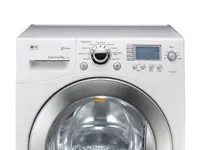
Most people just want fluffy rice. They don’t care about the physics. But if you are shopping for a new appliance, the difference between a standard pot and an induction-heating model is the difference between a good meal and a great one. Standard rice cookers are lazy. They rely on a simple electrical plate at the bottom. You pour water and rice into the inner pot. The plate heats up. The heat radiates upward. It works. For the most part.
Induction heating does something else entirely. It doesn’t just heat from below. It heats the pan itself.
The process starts with an alternating electric current from your wall outlet. This current moves through copper coils hidden inside the cooker’s base. The movement creates a magnetic field. You place the inner cooking pan directly into this field. The magnetic field induces an electrical current inside the pan. The pan generates its own heat.
If your pan is made of magnetic material, you get even more heat. This is due to hysteresis. Magnetic materials resist rapid changes in their magnetic state. This resistance creates friction. That friction generates additional cooking heat.
Precision Over Power
Standard cookers have a big flaw. They struggle with accuracy. They guess the temperature. Induction models don’t guess.
There are three specific ways induction improves the cooking process.
- Accurate sensing: The temperature-sensing methods are far more precise. This allows for fine-tuned adjustments. You aren’t blasting rice with inconsistent heat.
- Even distribution: Heat doesn’t just radiate up. It encompasses the entire inner pan. Side walls get heated too. The result is more evenly cooked food. No dry edges.
- Instant control: The level of heat changes instantly. The machine strengthens or weakens the magnetic field in real-time.
This sensitivity is the main selling point. Human error happens. You might measure rice and water slightly off. A standard cooker will fail you. An induction cooker compensates. It makes minute adjustments to both time and temperature during the selected program. It corrects for your mistakes.
The Science Behind the Grain
You might wonder why this precision matters for rice specifically. It comes down to biology. Rice isn’t just a random grain. It has a complex genetic map.
In December 2004, a massive six-year project concluded. Ten countries participated. Japanese scientists led the effort. The cost exceeded $100 million. The goal was to sequence the rice genome. They cataloged 95 percent of it.
The findings were surprising. Rice has the smallest number of genes compared to other important plants in the cereal family. Its genetic map is incredibly dense. This discovery isn’t just academic. It provides a basis for improving other cereals. It also helps researchers understand crop development.
Feeding the Future
Why spend $100 million on gene sequencing? The answer is survival. Estimates suggest rice production must increase by 30 percent in the next 20 years. The world’s population is growing. We need more food.
Researchers are using this genetic data to develop hardier variations. They want rice that can grow in colder climates. They want rice that thrives in drier conditions. Climate change is making agriculture difficult. Hardier genes are the solution.
There is another angle. Nutrition. A related project created “golden rice.” This is a genetically modified variety. It contains increased levels of beta-carotene. The goal is straightforward. About 3 billion people subsist on rice. They get 80 percent or more of their daily calories from it. If the rice is more nutritious, those billions of people get more vitamins.
The technology in your kitchen and the science in the lab are connected. Better understanding of the grain leads to better crops. Better appliances lead to better meals. The induction cooker is just the tool. The rice is the hero.
But does the extra cost matter for your daily cooking? Maybe. If you eat rice every day, the precision adds up. If you only cook it occasionally, a standard model might suffice. The science is solid. The result is reliable. The question is whether you value reliability enough to pay for it.
You decide. The rice will cook either way. It will just be slightly better with the extra help.