Cleaning grout is rarely just about wiping it. It is porous. It captures everything from dirt to stubborn glue spots, occasionally stubborn glue to leftovers from past renovations. Most homeowners panic when they see a white, crusty residue. They reach for harsh chemicals and steel wool. This is wrong. You can clean it without damaging the seal or scratching the surface. You just need the right approach.
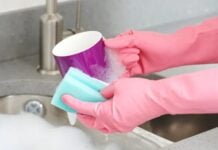
Let’s start with the basics. Most glues are still tacky or semi-dry when you first notice them. Do not let it harden. Take a clean cloth and soak it in warm soapy water. The heat helps break down the glue. Soap acts as a lubricant. Massage the area firmly but gently. This method removes as much excess material as possible. Waiting too long can make this step very difficult.
In some cases, the glue can dry out and get into the grout lines. This happens more often than we care to admit. When this happens, abrasion is needed. It’s not the type that destroys tiles, though. Prepare a wet toothbrush. It doesn’t have to be new. Dip the bristles in a powder cleanser. These particles have a mild abrasive effect that removes dirt without etching the grout. Massage the area gently. Apply the paste to the porous surface with a brush in circular motions. We do not attempt to remove the grout ourselves. You are trying to remove a foreign material from the surface or under the surface.
Wash thoroughly. This is where most people cut corners. They wipe it and say done. Don’t do it. Residue from the powdered cleanser later attract more dirt. Wash the area with a clean, damp cloth. Then dry it with another clean cloth. Drying prevents the formation of water spots and mineral deposits on new abrasion marks.
Why is this method more effective than commercially available removers? Most commercially available adhesive removers contain solvents that degrade grout sealers over time. It also leaves unwanted fumes that can unnecessary for a simple stain. Usually, the mechanical effect of the toothbrush and mild abrasion of the powder is enough. This is safer for your lungs. It’s also safe for the wallet.
What should I do if stains remain? Do not immediately use acidic cleaning agents. These are used for efflorescence or hard water stains. They attack the cement in the grout. There is a risk that the joints between the tiles will weaken. Stick to mechanical methods first. If the glue is epoxy based, it can be permanent. However, most household glues (white glue, craft glue, and some glues) are water soluble or can be removed with mild abrasion.
Consider the type of mortar. Sanded grout is even more difficult. It can handle a bit more scrubbing. Unsanded grout used in tighter joints are more prone to breakage. Be extra gentle there. If you have natural stone tiles, avoid using acidic cleaners at all costs. Follow the warm soapy water and powder method. It is neutral. It’s safe.
This does not require expensive tools. A toothbrush costs a few pennies. You may already have a powder cleaner in your cupboard. Timing is the key. Work with the glue while it is still manageable. if