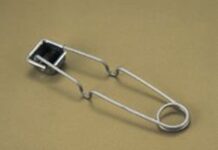
You’ve probably seen them in your garage drawer. The thick, heavy-duty bolts with a hex head. They look like overgrown nails. But they’re not. They are lag screws. Also known as lag bolts, these guys are the workhorses of the hardware world.
If you’re building a deck, anchoring a beam, or securing a heavy shelf to a joist, these are the fasteners you need. They handle intense loads. Regular screws will strip or snap under that kind of pressure. Lag screws won’t.
Here’s the thing. Most people confuse them with wood screws. They look similar. They both go into wood. But they operate differently. And using the wrong one can lead to a wobbly project or a failed structure.
The Difference Between Lag Screws and Wood Screws
Let’s clear up the confusion. Wood screws are for connecting wood to wood. They have coarse threads. But those threads don’t go all the way up the shaft. They start lower down.
Lag screws are different. They have threads that start right at the tip. This is a critical distinction. It changes how you install them.
With a wood screw, you can often just drive it in. The threads cut their own path. You don’t need to pre-drill the pilot hole all the way through. In fact, doing so might weaken the hold. The tight fit of the wood screw holds the materials together. You don’t need a nut. You don’t need a washer (usually).
Lag screws don’t work that way. They require a pilot hole. A lot of force. You can’t just hammer or ratchet them in blind. You must drill a hole first. This allows the screw to thread its way into the wood without splitting it.
Also, lag screws often use a nut on the other side. This helps distribute the load. It keeps things tight. Wood screws rely on friction and thread engagement. Lag screws rely on mechanical advantage.
Why You Can’t Use Lag Screws for Light Duty
You might think, “I’ll just use a lag screw. It’s stronger. It can’t hurt.”
Wrong. It can hurt.
Lag screws are large. They’re thick. They displace a lot of wood. If you use one where a small wood screw would do, you’ll split the material. You’ll strip the threads. You’ll waste time drilling unnecessary holes.
Wood screws are smaller. They’re designed for finer work. They don’t bear the same loads. But they’re better for lighter tasks. Like attaching a bracket to a stud. Or securing trim.
Lag screws are for heavy lifting. Like a swing set. Or a retaining wall. Or a heavy timber frame.
What About Sheet Metal Screws and Self-Drilling Screws?
They’re in a different category altogether. Sheet metal screws have threads all along the shaft. From tip to head. They’re designed to cut into metal. You need them when you’re screwing through metal. Even if you’re attaching that metal to wood.
Self-drilling screws are similar. But they have a drill bit tip. They cut their own holes. You don’t need to pre-drill. Just drive them in. They’re fast. They’re efficient. They’re