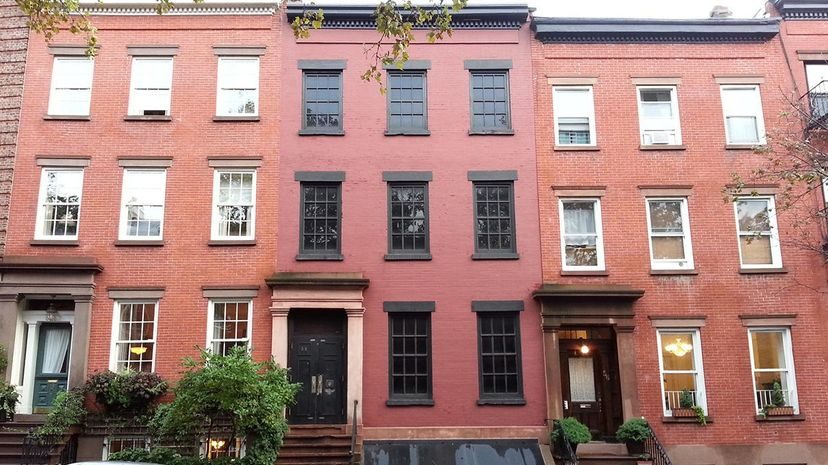
City life demands aesthetics. We want charming brownstones. We expect boutique shops. We try to ignore the grit. But beneath that polished veneer, the city is just a machine. A massive, noisy, industrial beast. And it needs to hide its guts.
Enter the fake building.
New York is drowning in them. These structures are masters of disguise. They look like residential townhomes. Complete with windows. Stairs. Doors. Balconies. But scratch the surface and you find the truth. Inside, heavy machinery hums. They house ventilation shafts. Electrical substations. Emergency tunnels. Yes, even for the zombie apocalypse.
The Architecture of Deception
The Strecker Memorial Laboratory on Roosevelt Island is a prime example. Watch the video if you dare. On the outside, it’s a historic landmark. Inside, it’s a repurposed facility keeping the grid alive. This isn’t just about hiding ugliness. It’s about security.
Thieves love copper. They love valuable materials found in electrical equipment. A fake facade makes those assets harder to steal. You can’t cut through a limestone wall easily. It’s function before fashion, mostly.
Other cities play the same game. Toronto hides a substation behind a generic front. Paris has a ventilation chimney disguised as a standard chimney. Chicago went big with Commonwealth Edison’s substation. Limestone and black granite. Art deco carvings on top. It looks imposing. It looks grand. It’s also an eyesore disguised as art.
How to Spot the Fake
You might not realize you’re looking at a utility box until you’re standing right in front of it. Here are the red flags.
- The Windows: They’re often covered. Or painted shut. If you can’t see inside, be suspicious.
- The Doors: They don’t open. Or they’re made of heavy-duty metal. You won’t find a welcome mat.
- The Roofs: Sometimes they’re missing. Or flat. Why waste money on a roof for a box that doesn’t need protection from the rain?
Their disguise skills are Groucho Marx glasses level. Not exactly Clark Kent. But they work. The city keeps running. The thieves get discouraged. And we get a slightly less ugly skyline.
Historical Precedent
This isn’t a new trick. Old West architects used false fronts too. They slapped fake facades on bland buildings. Made them look grander than they were. Extended the dimensions with decorative fronts. It was a way to project success in a dusty town.
Today, it’s a way to project normalcy in a concrete jungle. The intent is different. The method is the same. Hide the machinery. Show the face.
There’s something poetic about it. We build pretty shells to protect ugly truths. Or maybe ugly truths are just the only thing keeping the pretty shells standing. Does it matter? Probably not. The lights stay on. The trains run. And you don’t have to look directly at the substation.
But you’ll notice them more now. Those fake houses. That brick chimney that looks too solid. The door that doesn’t open. You’ll see them. And you’ll wonder what’s really going on inside.