A washer/dryer combination machine might be the only solution for your cramped apartment. These units do two jobs in one box. They wash. They dry. You save floor space. But the tradeoff is often damp clothes.
There are two main types. Vented models. Ventless models. The ventless ones use a condensing chamber. This process pulls moisture from the air inside the drum. The clothes sometimes come out slightly damp. You have to finish the drying with a heat press or air dry. Vented models exhaust steam like a traditional dryer.
Energy efficiency is the main selling point. These machines are generally more efficient than standard sets. Why? Advanced washer mechanics. Reduced hot water usage. A typical family might save about $100 annually on utilities. That is not pocket change.
Many models meet Energy Star standards. Some hit Consortium for Energy Efficiency benchmarks. They rank among the most efficient appliances you can buy. But the upfront cost is higher. You need to know if the long-term savings justify the purchase price.
How Combo Machines Work and What They Cost
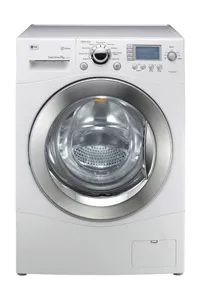
Do not confuse these with stackable units. Stackable sets are two separate machines. One sits on top of the other. A combo looks like an ordinary dryer. It has a round front-loading door. The inner chamber holds both wash and dry cycles.
Settings vary by brand. You will find delicates cycles. Timed drying options. Extra rinse features for sensitive skin. Some high-end units include steam-wash technology. This feature boosts whitening without bleach. It reduces wrinkles. It improves overall cleaning performance.
Price is a major factor. Combo machines range from less than $500 to over $1,500. Separate washers and dryers start at similar low prices. They can cost several thousand dollars each. You get what you pay for.
A 2010 study analyzed top-loading washers. Models under $500 often failed to wash well. They held less laundry. They used more energy and water. Inefficient machines can cost an extra $130 or more per year to run. Compare that to the most efficient models. The savings add up quickly.
Plan for the future. Are you moving in two years? Skip the high-end model. Save money now. You probably will not take the appliance with you. Are you staying put? Buy the better quality model. The higher upfront cost pays off in utility savings over time.
Tub sizes vary. They range from small to industrial. Colors include stainless steel. Champagne. Cherry red. Finding one in the U.S. is harder than it used to be. These units are relatively new here. Fewer stores carry them. You might need to hunt for availability.
Marketing claims these are green machines. The data supports the claim for utility bills. But the dampness issue remains a practical hurdle for some homeowners.
Efficiency isn’t a single number. It depends on the machine type. You are likely choosing between two distinct systems. Vented models work like traditional side-by-side units. They wash clothes in soapy water. Then they rinse. Finally, they spin with heated air. The steam and exhaust leave your home through a dedicated vent.
Ventless combos are different. They lack an exhaust chute. The drying process relies on condensation. A condensing chamber cools the air. Meanwhile, air inside the drum heats up. As the drum spins, warm air holds moisture. This moist air moves to the condenser. It cools. The water turns back into liquid. It drains out through a pipe. Clothes may feel damp when the cycle ends.
You can help maximize efficiency by not overloading the machine or by removing clothes after the dry cycle to finish drying them outside of the unit.
Over the last decade, washer technology has improved drastically. Dryer technology has stayed mostly the same. This shift matters. Some combo units are now more energy-efficient than two separate standard machines. The savings come from reduced hot water usage. Stainless steel drums spin faster. They reach up to 1,000 rotations per minute. This high speed sucks more water from laundry before drying begins. A family of four can save about $100 each year. This adds up on laundry utilities.
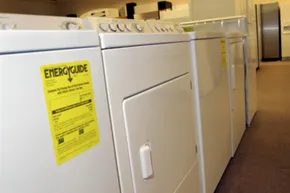
Many combos count as energy-efficient appliances. A handful meet strict standards. Look for ENERGY STAR and Consortium for Energy Efficiency labels. These models are the most efficient. You can also check the EnergyGuide label. The Federal Trade Commission requires this black and yellow sticker. It shows energy use. Be careful. The rating compares compact front-loading washers only. It does not compare to top-loading machines. This distinction is easy to miss.
How Long Do Combo Units Last and What to Consider?
Durability varies. Washer/dryer combo units typically last about 10 to 15 years. Usage and maintenance dictate the timeline. Frequent heavy loads shorten lifespan. Proper care extends it.
Before buying, assess your needs. Capacity is key. Can the machine handle your typical loads? Space matters too. Does your home support the required venting? Vented models need an exhaust path. Ventless models do not. But they require drainage for the condensed water. Evaluate your setup. Match the machine to your home’s constraints.
More Resources
For additional info on energy-efficient appliances and laundry tips, visit the next page.