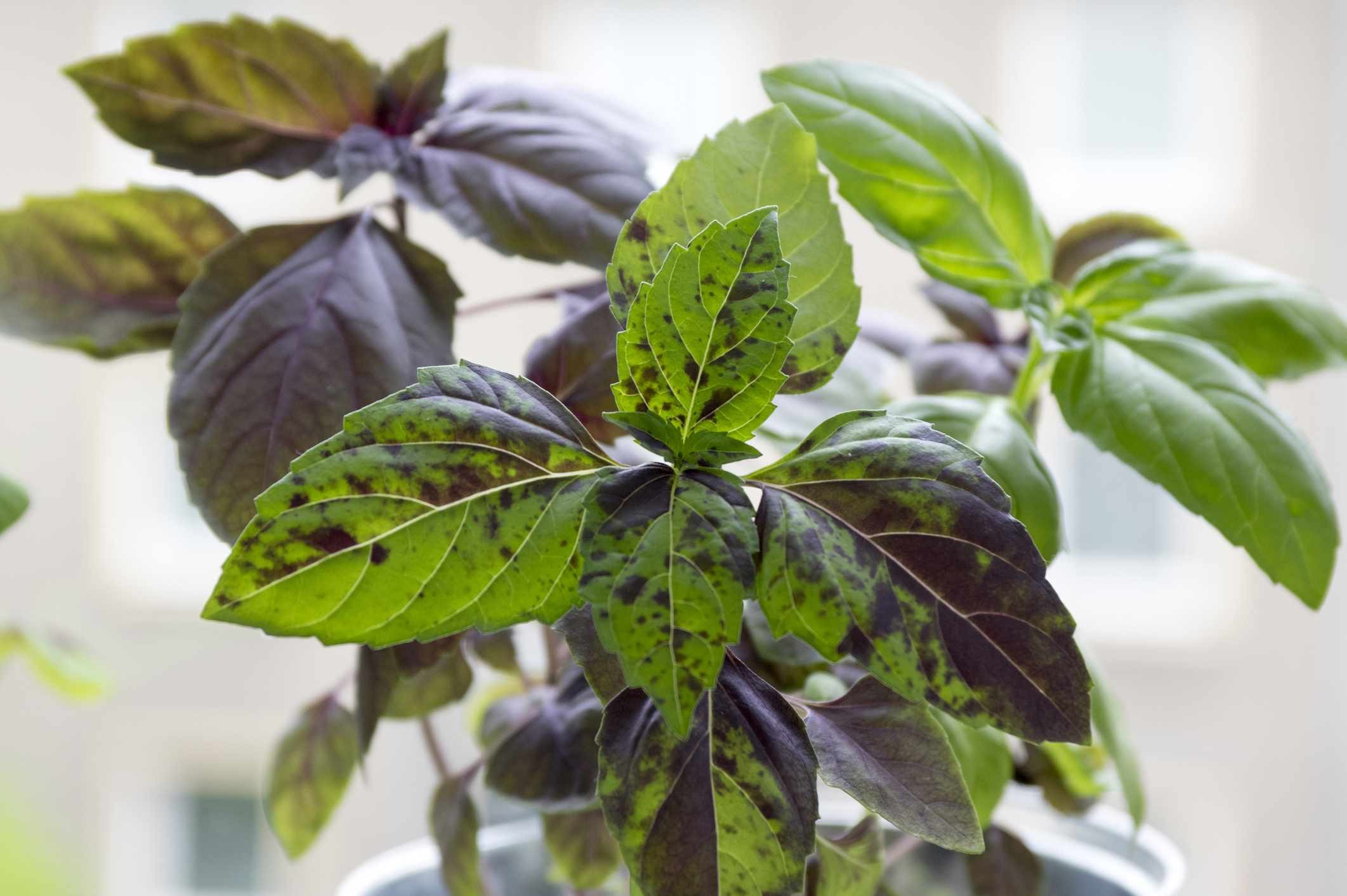
Basil is the king of the herb garden. Or the windowsill. Or the pot on the deck. Everyone wants it. It grows fast. It smells amazing. But it also has a reputation for being a diva. One minute it’s lush and green, the next? Black spots. Wilting. Sadness.
When you see those dark patches, panic usually sets in. Is the plant dying? Probably not. Not immediately, anyway. But ignoring it might change that.
Farmer Lee Jones, co-owner of The Chef’s Garden, puts it bluntly. “Fungus, mildew pests, oh my!” He’s not wrong. A basil plant covered in black spots isn’t necessarily a lost cause. You just need to know what you’re looking at. And how to stop it before it kills the whole stem.
Is It the Weather? Cold or Sun Damage
Let’s start with the basics. Temperature. Basil hates the cold.
If your plant was left out overnight and temperatures dipped below freezing, those black spots are likely frost damage. It doesn’t matter if it’s in the ground or a pot on your counter. Cold shock turns leaves black. It can ruin just a leaf. Or the whole stem.
Can you fix it? Sometimes.
Bring the plant to a warmer spot. Prune the dead stuff. If the stems are still green underneath, there’s hope. If everything is limp and dark, toss it.
Then there’s the sun. Yes, basil loves light. Too much of it without enough water is a recipe for disaster. Jones notes that all his twelve varieties of basil can get scorched if the roots don’t get enough moisture. Think of it as a sunburn for leaves. The spots are usually dark brown, almost black.
This usually doesn’t kill the plant. Trim the burnt leaves. Give the plant some afternoon shade. Water it properly. You’ll be fine.
Is Your Basil Drowning? The Overwatering Trap
This is the most common killer. Basil loves water. It doesn’t mean you should drown it.
If you water before the top inch of soil is dry, you’re playing with fire. Too much moisture leads to root rot. The first sign? Yellow leaves. Ignore that? Then comes the black. Leaves turn black, drop off, and the plant declines rapidly.
In this case, the plant is usually dying. Slowly. Painfully.
Is It a Pesticide Problem? Spider Mites and Fungus
Sometimes it’s not the weather. It’s the bugs. Or the fungi.
If the black spots look like tiny, stippled dots rather than large bruises, you might have spider mites. They suck the nutrients out of the leaves, leaving behind that speckled mess. It’s annoying. But fixable.
Rinse the plant. Use insecticidal soap. Do it early. You can save the crop.
Then there’s Cercospora leaf spot. This is a fungal issue. It likes heat and humidity. You’ll see it most often in late summer—August and September. If you don’t treat it, the fungus spreads. The whole plant gets infected.
Cut the affected leaves. Spray with fungicide. Stop the spread.
And bacteria. Bacterial leaf spot looks just like fungal spots. Black patches. Same look. But the cause is different. It spreads through water droplets. If you water from above, you’re splashing bacteria all over the leaves.
“Make sure your basil has good air,” Jones advises. “And remove any damaged leaves.”
Change your watering habits. Water at the base. Hit the roots. Avoid the foliage.
The Big Question: Is It Safe to Eat?
You’ve got black spots. You’re hungry. Can you eat it?
Depends.
“Bruised leaves won’t make apretty garnish,” Jones says, “but may still be good for sauces or peston, as long as they aren’t mushy and still smell fresh.”
If the spots are from cold damage in the fridge, the leaves are safe. Just ugly. Trim the spots. Use the rest.
But if it’s fungal or bacterial? Skip it. It’s unlikely to give you food poisoning, but it will ruin the flavor. Black spots from disease taste bad. Who wants that in their pesto?
So, check your water. Check the sun. Check for bugs. And save your basil before it’s too late. Because if it’s dying, it’s hard to bring it back.